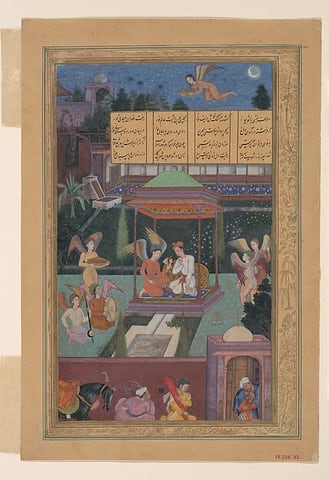
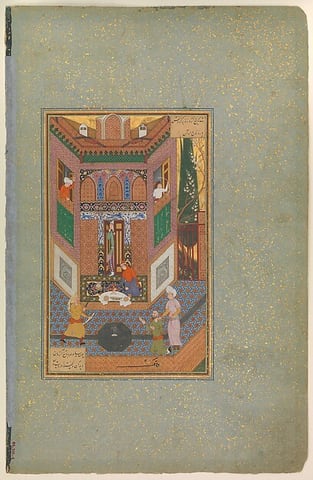
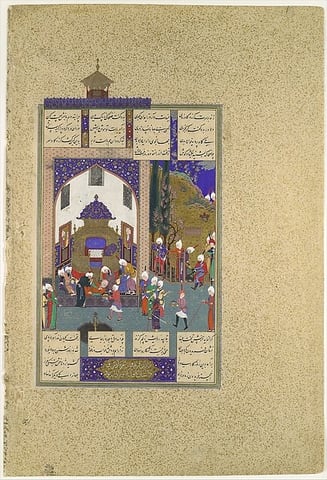
"The Story of the Princess of the Blue Pavillion: The Youth of Rum Is Entertained in a Garden by a Fairy and her Maidens", Folio from a Khamsa (Quintet) of Amir Khusrau DihlaviAmir Khusrau Dihlavi, 1597–98
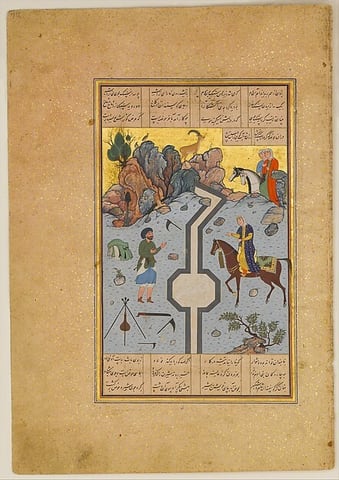
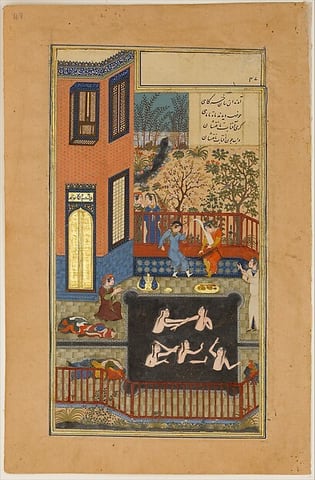
"Farhad Carves a Milk Channel for Shirin", Folio 74 from a Khamsa (Quintet) of Nizami of GanjaNizami, dated 931 AH/1524–25 CE
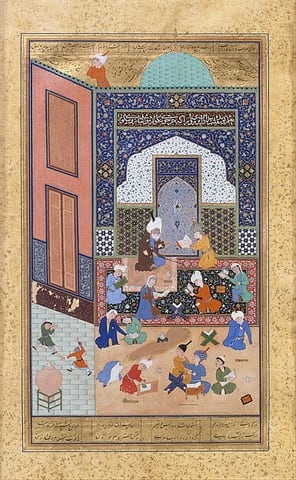
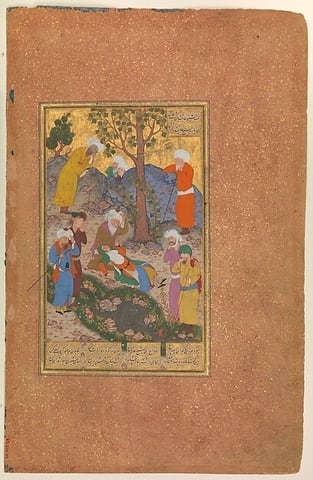
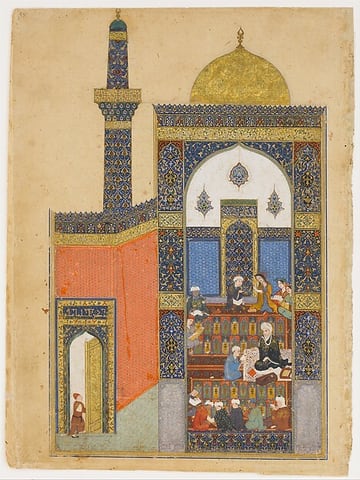
"Laila and Majnun in School", Folio 129 from a Khamsa (Quintet) of Nizami of GanjaNizami, dated 931 AH/1524–25 CE
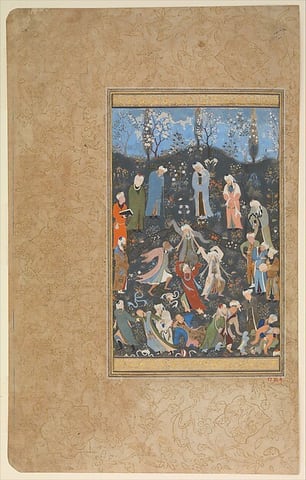
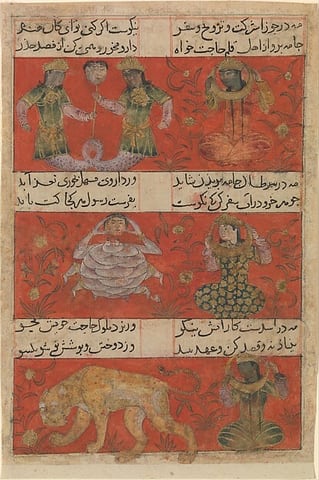
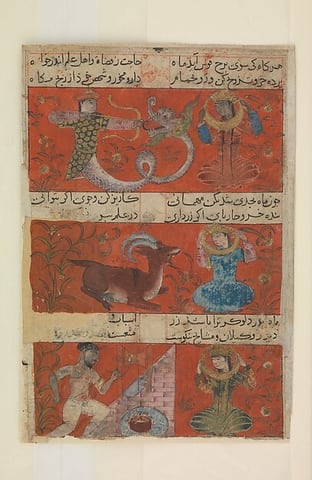
Folio from a Mu'nis al-ahrar fi daqa'iq al-ash'ar (The Free Man's Companion to the Subtleties of Poems) of JajarmiMuhammad ibn Badr al-Din Jajarmi, dated 741 AH/1340–41 CE
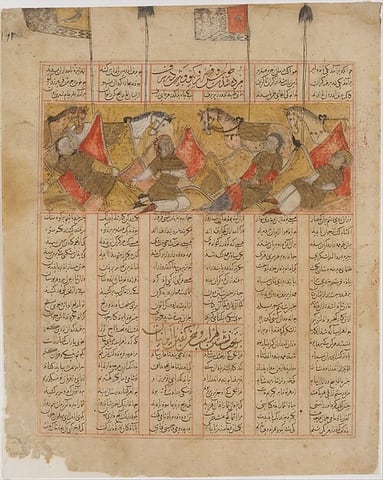
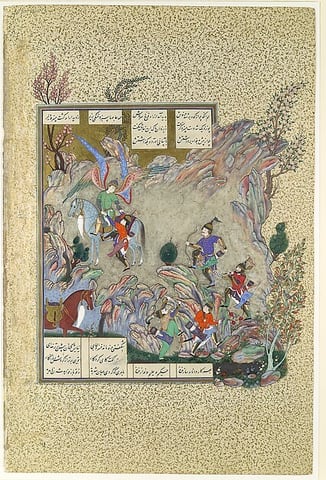
"The Four Knights of Kai Khusrau in the Mountains", Folio from a Shahnama (Book of Kings)Abu'l Qasim Firdausi, dated 741 AH/1341 CE
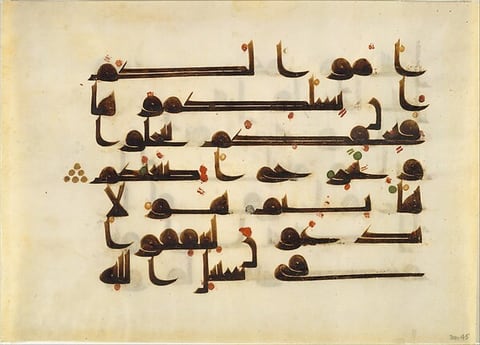
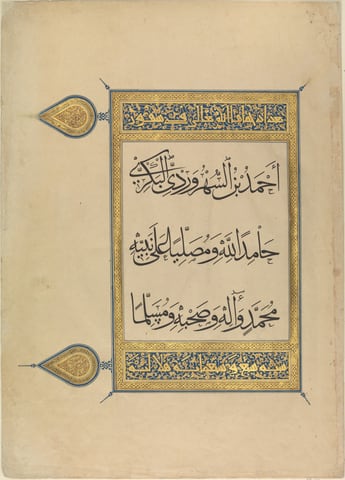
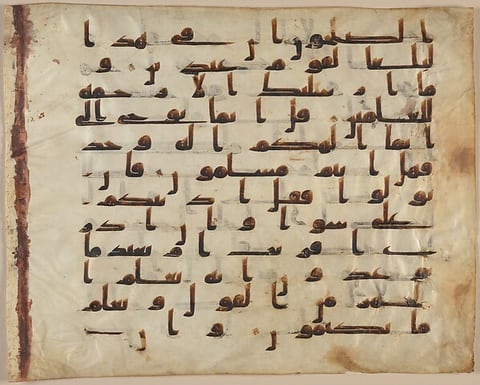
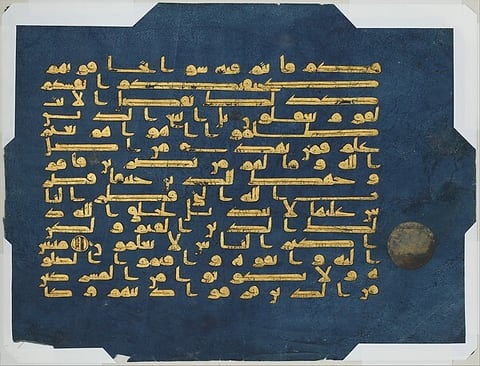
Opening Folio of the 26th Volume of the "Anonymous Baghdad Qur'an"Ahmad ibn al-Suhrawardi al-Bakri, 706 AH/1306–7 CE
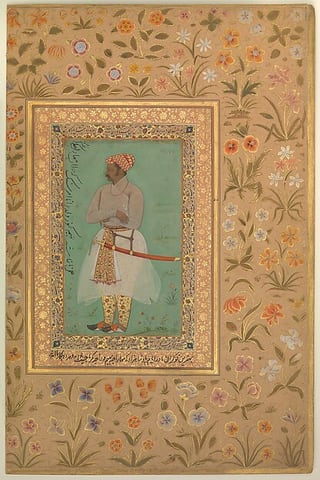
"Portrait of Maharaja Bhim Kanwar", Folio from the Shah Jahan AlbumNanha, verso: ca. 1615–29; recto: ca. 1540
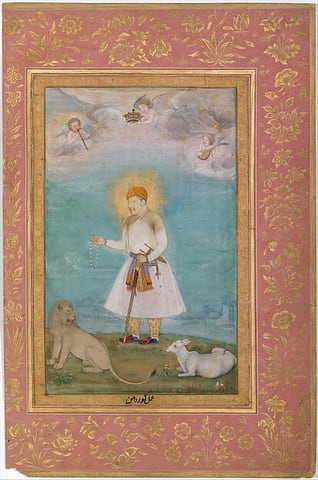
"Akbar With Lion and Calf", Folio from the Shah Jahan AlbumGovardhan, verso: ca. 1630; recto: ca. 1530–50
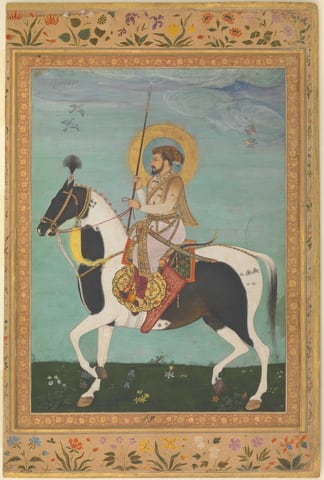
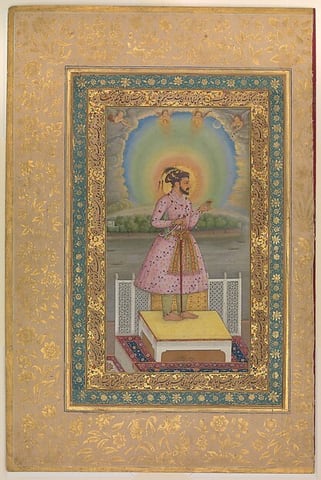
"Shah Jahan on a Terrace, Holding a Pendant Set With His Portrait", Folio from the Shah Jahan AlbumChitarman, recto: dated 1627–28; verso: ca. 1530–50
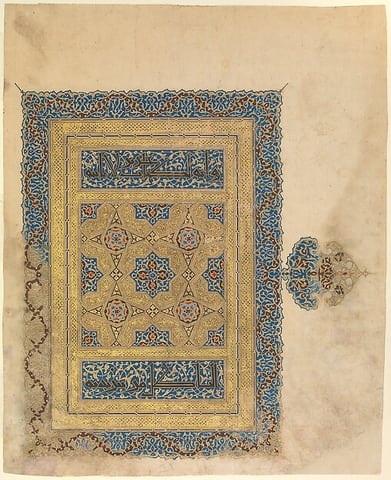
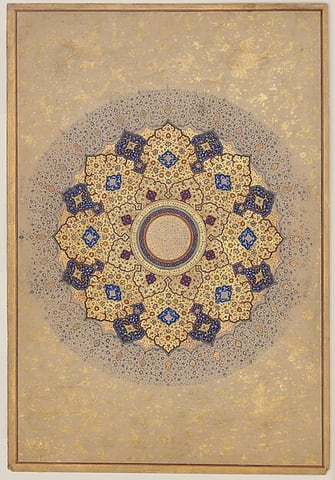
"Rosette Bearing the Names and Titles of Shah Jahan", Folio from the Shah Jahan AlbumUnknown maker, recto: ca. 1645; verso: ca. 1630–40
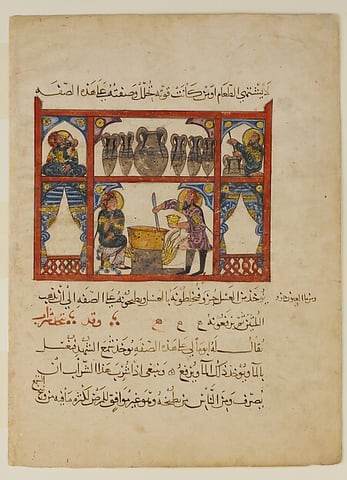
"Preparing Medicine from Honey", from a Dispersed Manuscript of an Arabic Translation of De Materia Medica of Dioscorides'Abdullah ibn al-Fadl, dated 621 AH/1224 CE
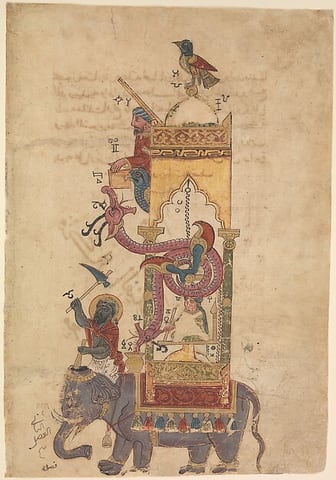
"The Elephant Clock", Folio from a Book of the Knowledge of Ingenious Mechanical Devices by al-JazariFarrukh ibn `Abd al-Latif, dated 715 AH/1315 CE
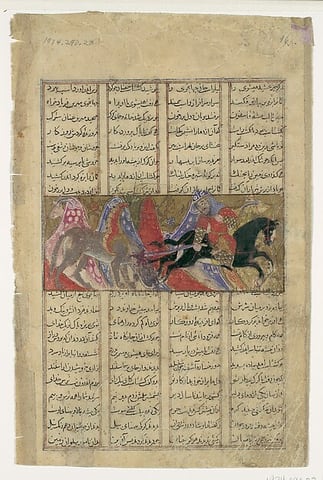
Folio from a Mu'nis al-ahrar fi daqa'iq al-ash'ar (The Free Man's Companion to the Subtleties of Poems) of JajarmiMuhammad ibn Badr al-Din Jajarmi, dated 741 AH/1341 CE
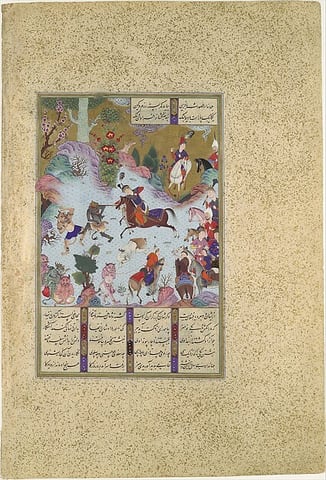
"Bahram Gur Hunting with Azada", Folio from a Shahnama (Book of Kings)Abu'l Qasim Firdausi, dated 753 AH/1352 CE
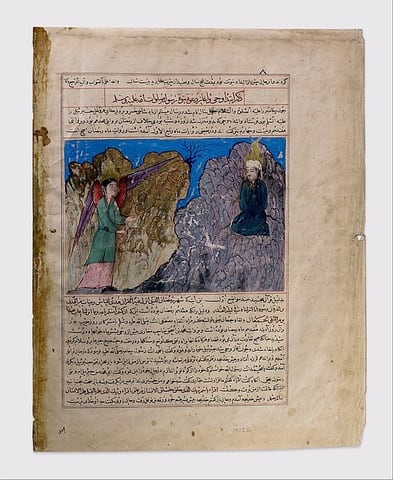
"Muhammad's Call to Prophecy and the First Revelation", Folio from a Majma' al-Tavarikh (Compendium of Histories)Hafiz-i Abru, ca. 1425
"A Ruffian Spares the Life of a Poor Man", Folio 4v from a Mantiq al-Tayr (Language of the Birds)Farid al-Din `Attar, ca. 1600
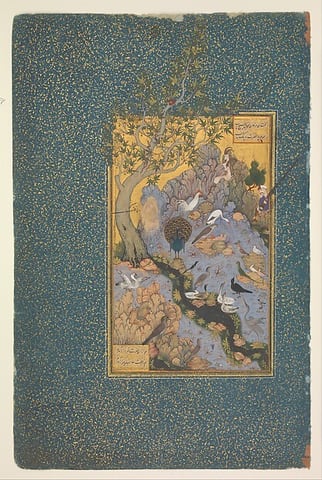
"The Concourse of the Birds", Folio 11r from a Mantiq al-Tayr (Language of the Birds)Habiballah of Sava, ca. 1600
"Shaikh San'an and the Christian Maiden", Folio 22v from a Mantiq al-Tayr (Language of the Birds)Farid al-Din `Attar, ca. 1600
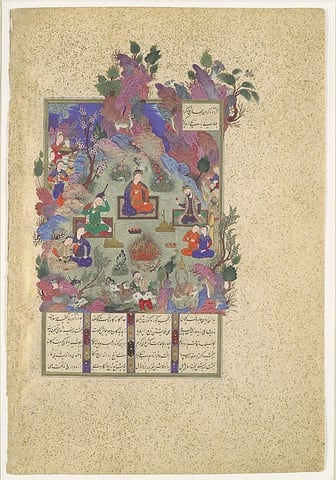
"The Feast of Sada", Folio 22v from the Shahnama (Book of Kings) of Shah TahmaspAbu'l Qasim Firdausi, ca. 1525
"Tahmuras Defeats the Divs", Folio 23v from the Shahnama (Book of Kings) of Shah TahmaspAbu'l Qasim Firdausi, ca. 1525
"Zahhak is Told His Fate", Folio 29v from the Shahnama (Book of Kings) of Shah TahmaspAbu'l Qasim Firdausi, ca. 1524
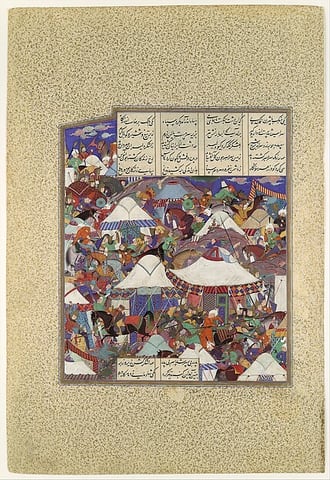
"The Besotted Iranian Camp Attacked by Night", Folio 241r from the Shahnama (Book of Kings) of Shah TahmaspAbu'l Qasim Firdausi, ca. 1525–30
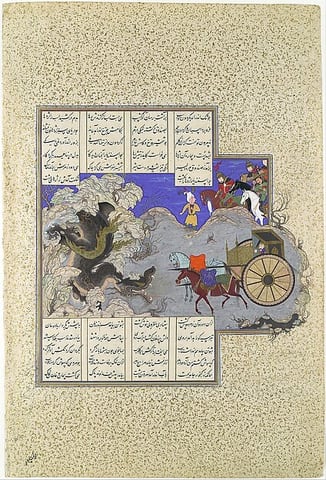
"Isfandiyar's Third Course: He Slays a Dragon", Folio 434v from the Shahnama (Book of Kings) of Shah TahmaspAbu'l Qasim Firdausi, ca. 1530
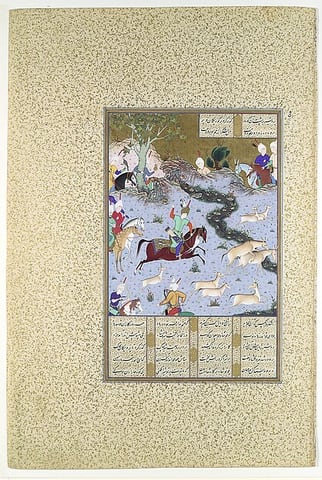
"Bahram Gur Pins the Coupling Onagers", Folio 568r from the Shahnama (Book of Kings) of Shah TahmaspAbu'l Qasim Firdausi, ca. 1530–35
"The Angel Surush Rescues Khusrau Parviz from a Cul-de-sac", Folio 708v from the Shahnama (Book of Kings) of Shah TahmaspAbu'l Qasim Firdausi, ca. 1530–35
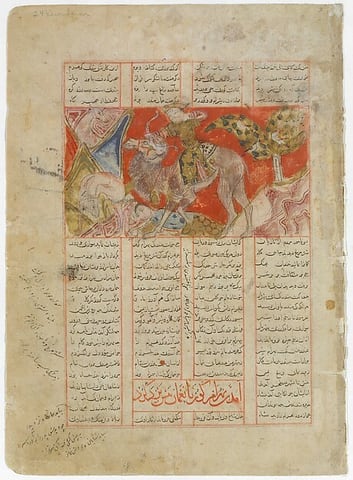
"Gushtasp Slays the Rhino-Wolf", Folio from a Shahnama (Book of Kings)Abu'l Qasim Firdausi, ca. 1330–40
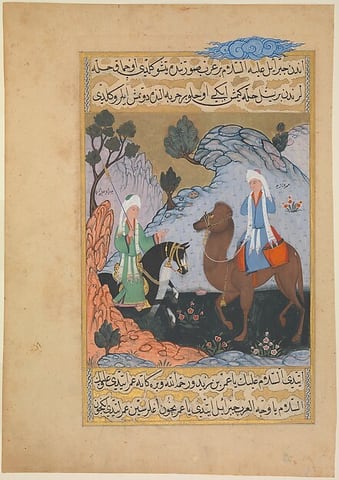
"The Angel Gabriel meets 'Amr ibn Zaid (the Shepherd)", Folio from a Siyer-i Nebi (the Life of the Prophet)Mustafa ibn Vali, ca. 1595
"Laila and Majnun at School", Folio from a Khamsa (Quintet) of Nizami of GanjaJa'far Baisunghuri, 835 AH/1431–32 CE
"The Eavesdropper", Folio 47r from a Haft Paikar (Seven Portraits) of the Khamsa (Quintet) of Nizami of GanjaMaulana Azhar, ca. 1430
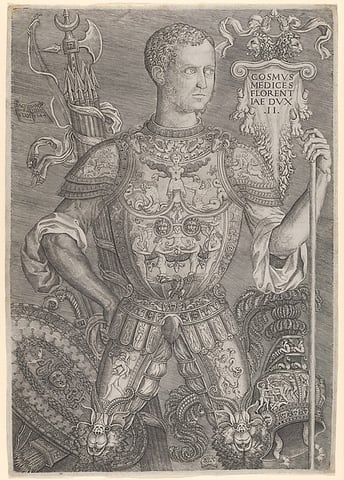
Portrait of Cosimo de' Medici in full armor, his left hand resting on a staffNiccolò della Casa, 1544
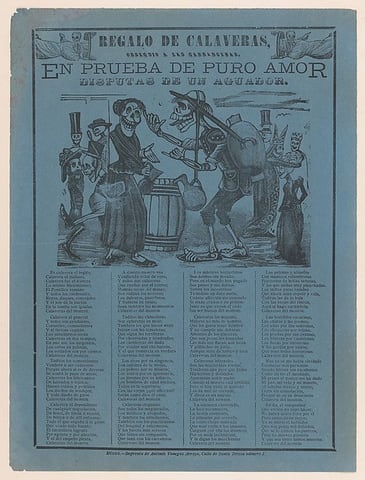
In proof of true love, a watercarrier skeleton arguing with a woman (Posada); two skeleton angels in upper corners (Manilla)José Guadalupe Posada, ca. 1890–96