Baroque and Rococo
Works in this room
Drama, movement and deep shadow in the 1600s, then the light, playful decoration of eighteenth-century Europe.
First room, north wall
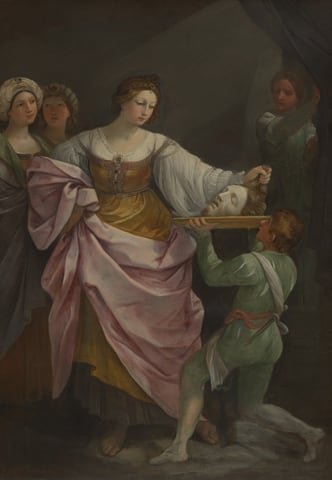
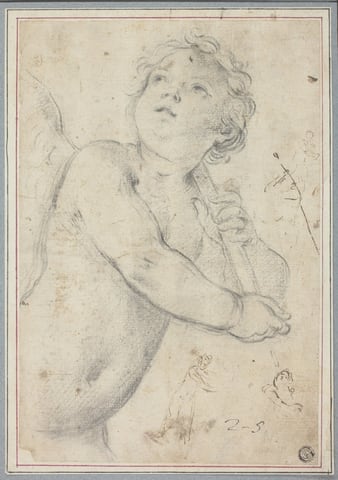
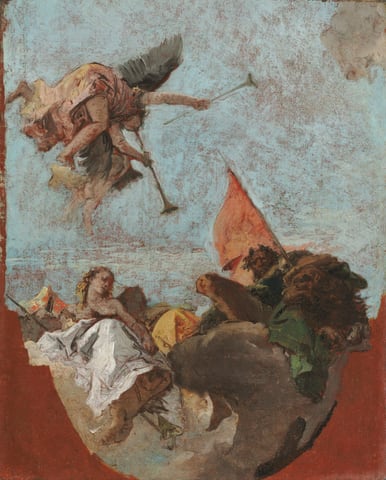
Salome with the Head of Saint John the BaptistGuido Reni, c. 1639–42Courtesy of the Art Institute of Chicago Putto Holding StaffGuido Reni, n.d.Courtesy of the Art Institute of Chicago Sketch for a CeilingGiovanni Battista Tiepolo, 1750sCourtesy of the Cleveland Museum of Art
First room, south wall
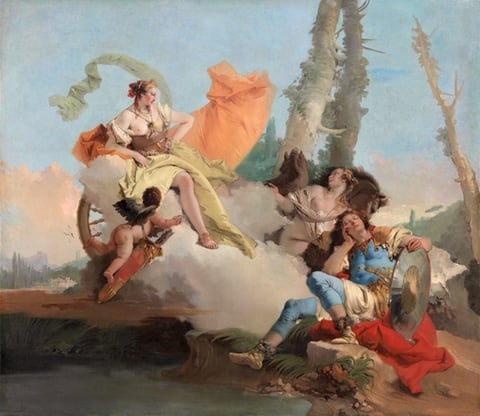
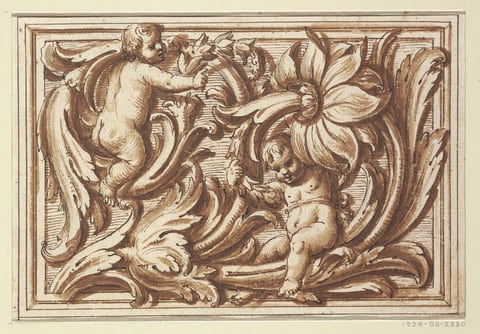
Armida Encounters the Sleeping RinaldoGiovanni Battista Tiepolo, c. 1742–45Courtesy of the Art Institute of Chicago One of a set of projects for a title page and the decoration of a horizontal panelFrancesco Bedeschini, Italian, 1675-1699Courtesy of Cooper Hewitt, Smithsonian Design Museum
Second room, south wall
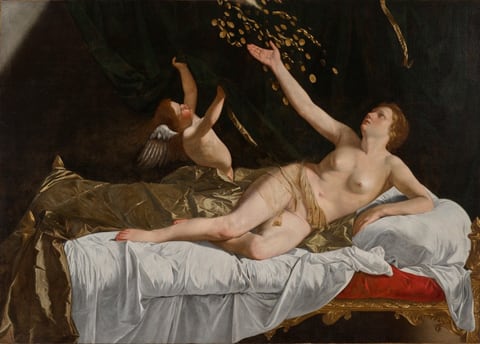
DanaëOrazio Gentileschi, c. 1623Courtesy of the Cleveland Museum of Art 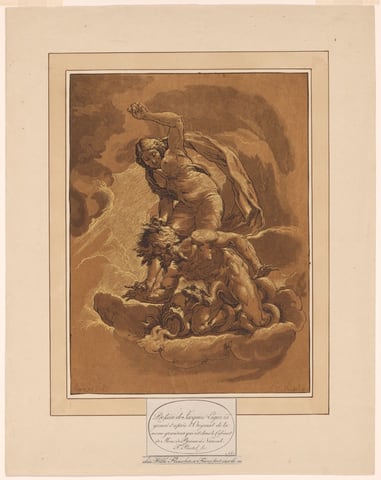
The Triumph of Truth over EnvyMaria Katharina Prestel, 1781Courtesy of the Art Institute of Chicago 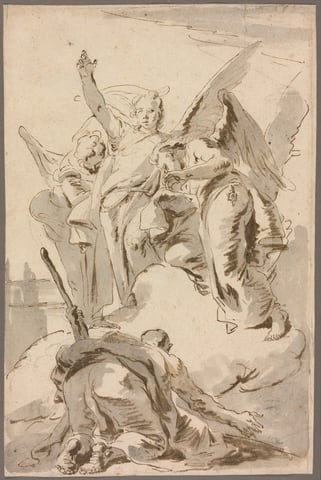
Three Angels Appearing to AbrahamGiovanni Battista Tiepolo, c. 1726Courtesy of the Art Institute of Chicago
Second room, north wall
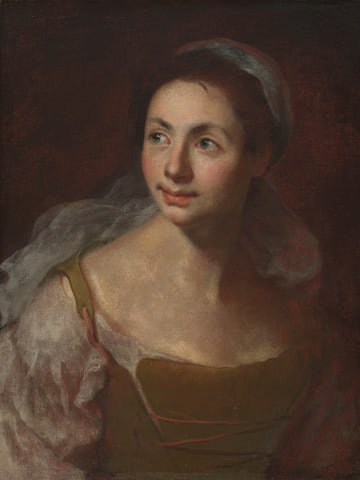
Portrait of a GirlFrancesco Solimena, c. 1700Courtesy of the Art Institute of Chicago 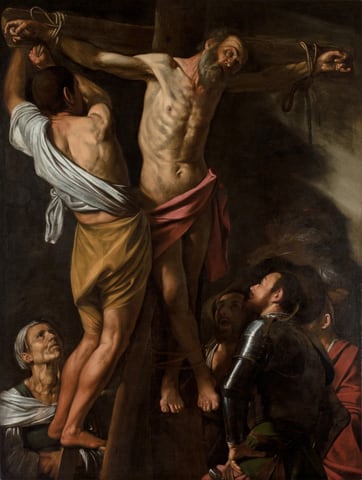
The Crucifixion of Saint AndrewCaravaggio, 1606–7Courtesy of the Cleveland Museum of Art 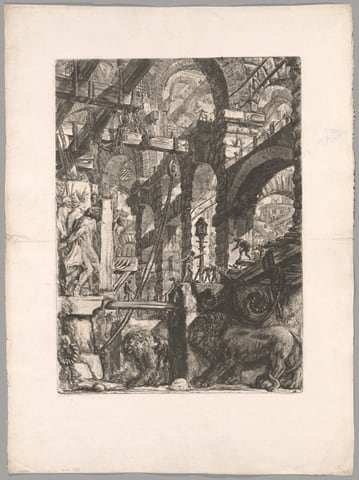
The Lion Bas-Reliefs, plate 5 from Imaginary PrisonsGiovanni Battista Piranesi, 1761Courtesy of the Art Institute of Chicago
Third room, north wall
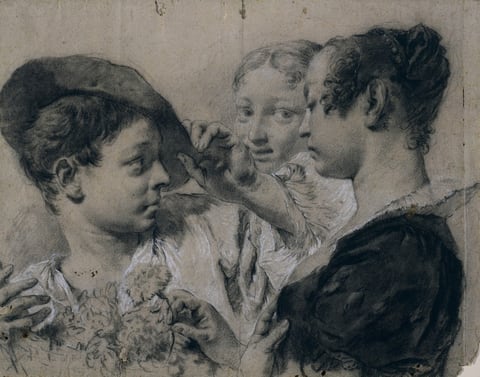
A Young Woman Buying a Pink from a Young ManGiovanni Battista Piazzetta, c. 1740Courtesy of the Cleveland Museum of Art 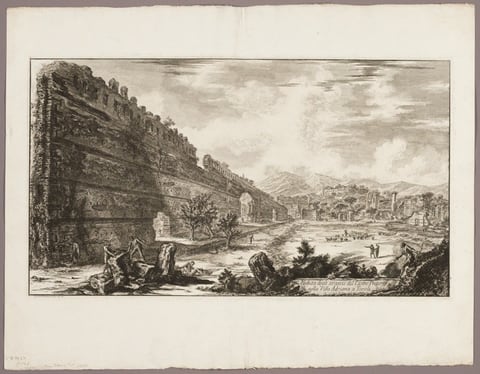
View of the Remains of the Praetorian Fort [the Poecile], Hadrian's Villa, Tivoli, from Views of RomeGiovanni Battista Piranesi, 1770Courtesy of the Art Institute of Chicago 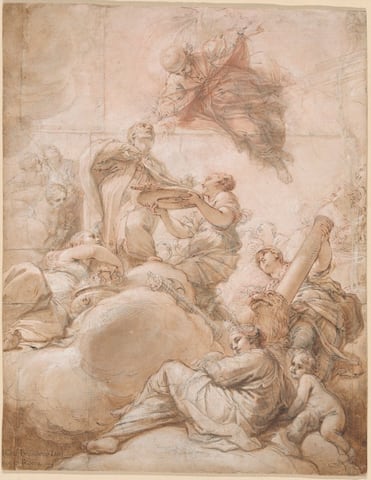
Allegory of the Elevation of Cardinal Deacon Oddone Colonna to the Papal Chair as Pope Martin VBenedetto Luti, 1700Courtesy of the Art Institute of Chicago
Third room, south wall
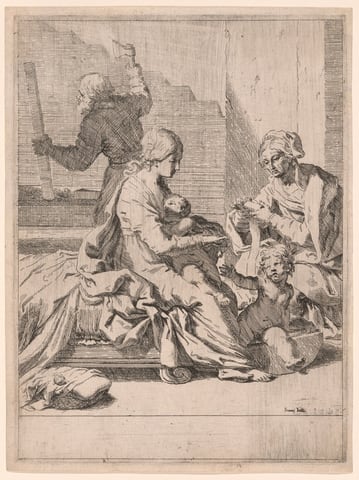
Holy Family with Saint Elizabeth and Saint John the BaptistElisabetta Sirani, 1650/60Courtesy of the Art Institute of Chicago 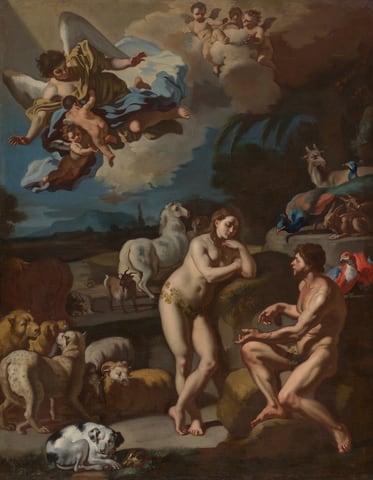
Adam and Eve in ParadiseFrancesco Solimena, c. 1700Courtesy of the Art Institute of Chicago