Baroque and Rococo
Works in this room
Drama, movement and deep shadow in the 1600s, then the light, playful decoration of eighteenth-century Europe.
First room, north wall
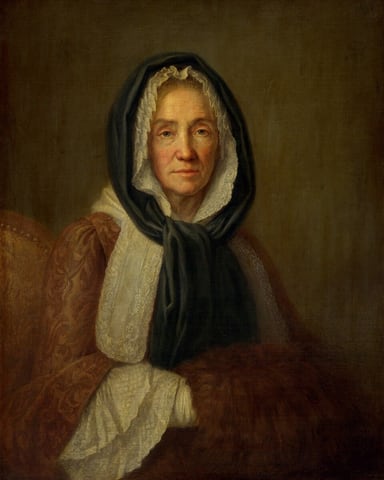
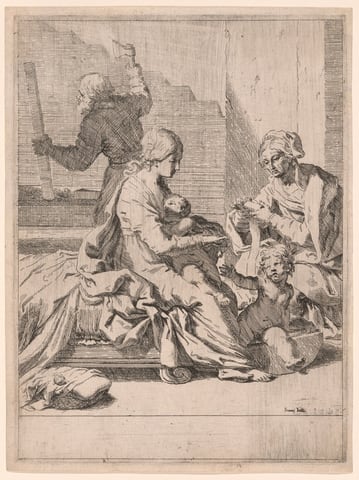
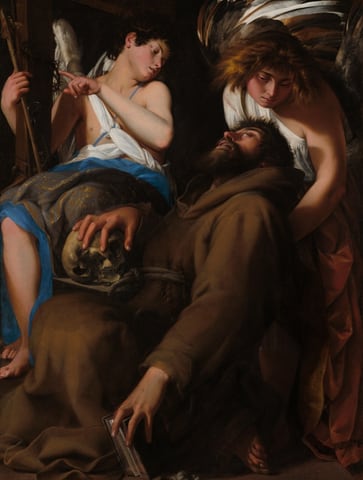
Old Woman with a MuffUnrecorded French maker, second half 18th centuryCourtesy National Gallery of Art, Washington Holy Family with Saint Elizabeth and Saint John the BaptistElisabetta Sirani, 1650/60Courtesy of the Art Institute of Chicago The Ecstasy of Saint FrancisGiovanni Baglione, 1601Courtesy of the Art Institute of Chicago
First room, south wall
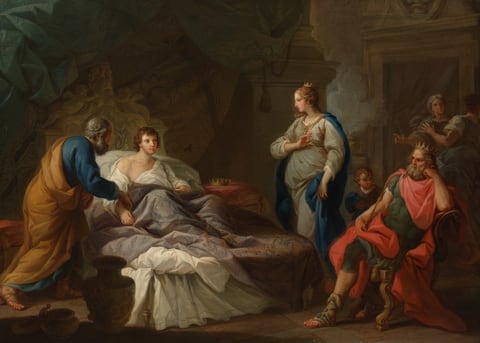
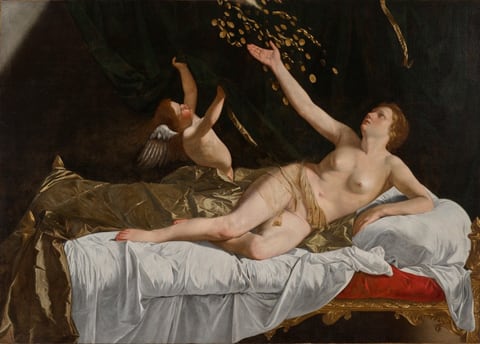
Antiochus Yearning for StratoniceStefano Pozzi, c. 1740Courtesy of the Art Institute of Chicago DanaëOrazio Gentileschi, c. 1623Courtesy of the Cleveland Museum of Art
Second room, south wall
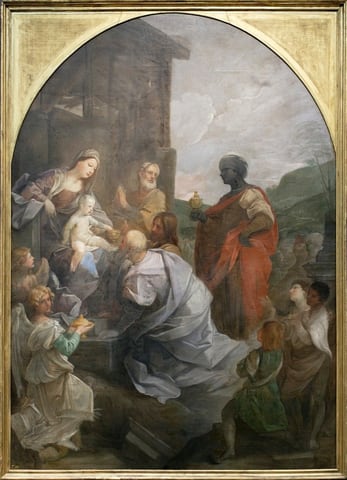
Adoration of the MagiGuido Reni, 1642Courtesy of the Cleveland Museum of Art 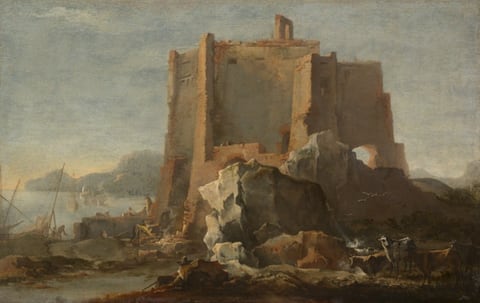
Landscape with Rock and FortressDomenico Gargiuli (Micco Spadaro), c. 1645Courtesy of the Art Institute of Chicago
Second room, north wall
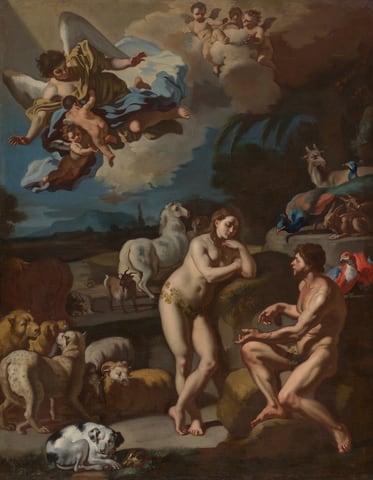
Adam and Eve in ParadiseFrancesco Solimena, c. 1700Courtesy of the Art Institute of Chicago 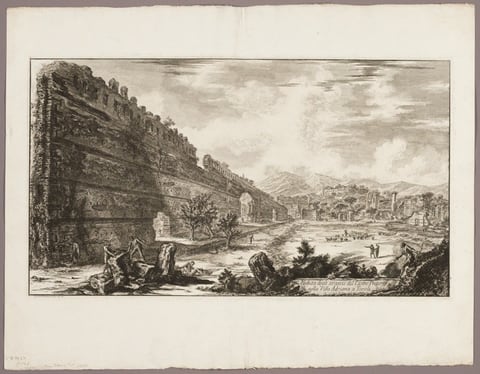
View of the Remains of the Praetorian Fort [the Poecile], Hadrian's Villa, Tivoli, from Views of RomeGiovanni Battista Piranesi, 1770Courtesy of the Art Institute of Chicago
Third room, north wall
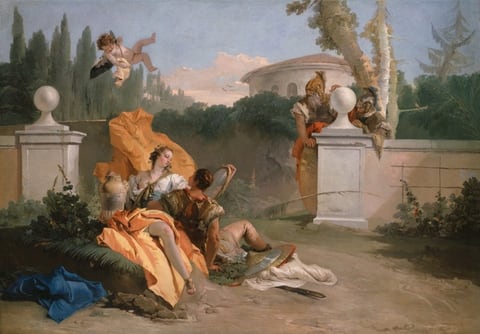
Rinaldo and Armida in Her GardenGiovanni Battista Tiepolo, c. 1742–45Courtesy of the Art Institute of Chicago 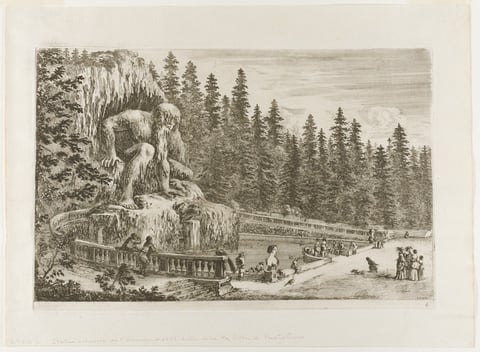
The Colossal Statue of the Apennines, from Views of Villa di PratolinoStefano della Bella, c. 1653Courtesy of the Art Institute of Chicago 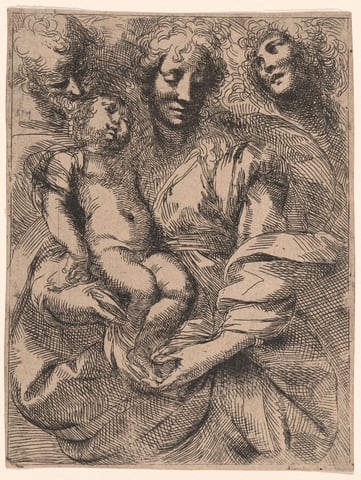
The Holy FamilyGiulio Cesare Procaccini, 1613/15Courtesy of the Art Institute of Chicago
Third room, south wall
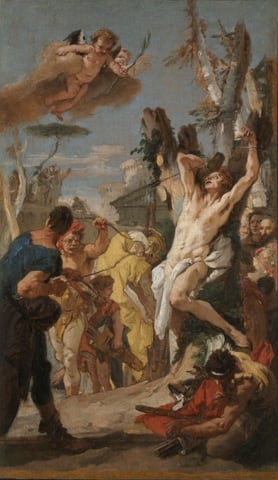
Study for "The Martyrdom of Saint Sebastian" (for the Augustinian monastery at Diessen, Germany)Giovanni Battista Tiepolo, 1739Courtesy of the Cleveland Museum of Art 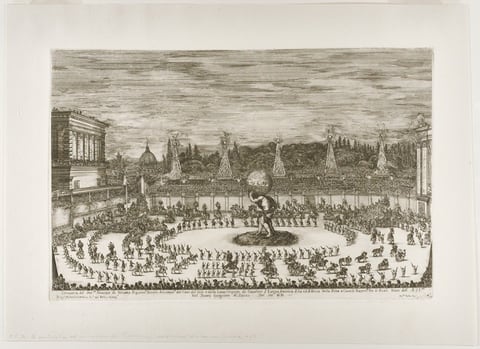
Equestrian Ballet in the Amphitheater of the Boboli GardensStefano della Bella, 1661Courtesy of the Art Institute of Chicago
Fourth room, south wall
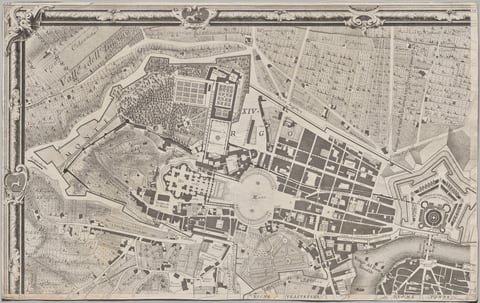
Nuova pianta di Roma data in luce da Giambattista Nolli l’anno MDCCXLVII, known as La Pianta Grande di RomaGiovanni Battista Nolli, 1748Courtesy of the Cleveland Museum of Art 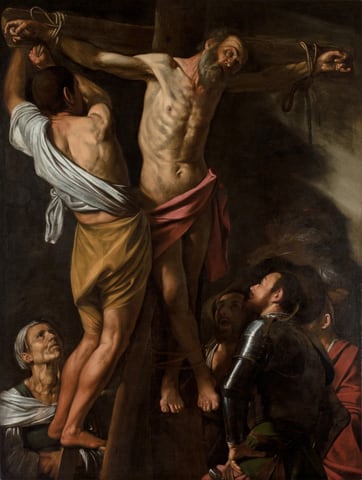
The Crucifixion of Saint AndrewCaravaggio, 1606–7Courtesy of the Cleveland Museum of Art