Floor plan

Time and placeThe 16th century

The 16th century

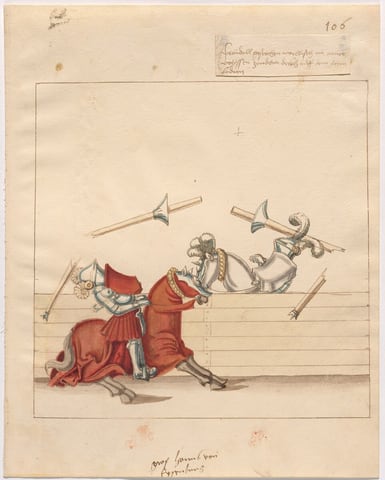
This is a drawing of two armored figures on horseback engaged in a joust. Both knights are clad in ornate armor and mounted on horses as they participate in the match. The scene captures the moment of impact, with splintered lances flying in the air. One knight in silver armor with blue accents is being unseated from his horse, while the other knight in red and silver armor remains mounted. Both horses are draped in colors matching their riders' armors. The focus is on the dynamic action and energy of the joust, with fine details showing the armor's shine and the movement of the horses. The drawing is bordered, and there is some script at the top and bottom.
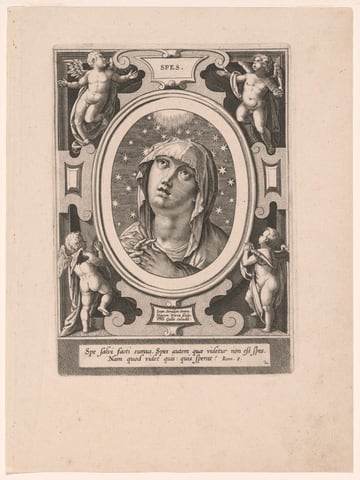
A work made of engraving on paper.
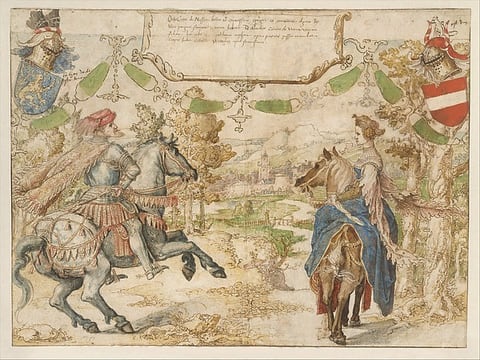
Otto, Count of Nassau and his Wife Adelheid van Vianen, by Bernard van Orley, 1530–35
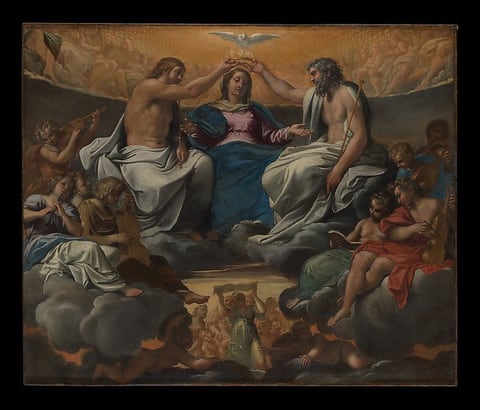
The Coronation of the Virgin, by Annibale Carracci, after 1595
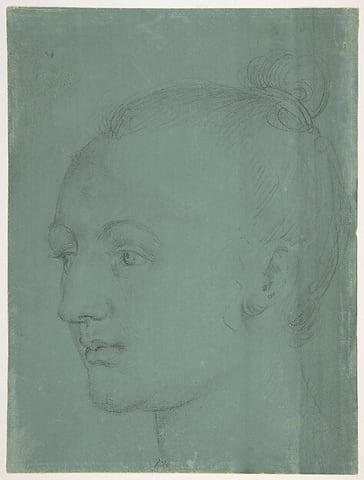
Head of a Young Woman, by Albrecht Dürer, 1522
A work made of oil on panel.
A work made of black chalk on laid paper, laid down on tan laid pulp board.

The works in this room are listed below.

Works in this room

Works made in the 16th century, anywhere in the world.

First room, north wall

  1. This is a drawing of two armored figures on horseback engaged in a joust. Both knights are clad in ornate armor and mounted on horses as they participate in the match. The scene captures the moment of impact, with splintered lances flying in the air. One knight in silver armor with blue accents is being unseated from his horse, while the other knight in red and silver armor remains mounted. Both horses are draped in colors matching their riders' armors. The focus is on the dynamic action and energy of the joust, with fine details showing the armor's shine and the movement of the horses. The drawing is bordered, and there is some script at the top and bottom.
    Italian Joust of PeaceUnrecorded German maker, c.1512-1515Courtesy National Gallery of Art, Washington
  2. A work made of engraving on paper.
    Spes, plate 2 from The Seven VirtuesHieronymous Wierix, c. 1598Courtesy of the Art Institute of Chicago
  3. Otto, Count of Nassau and his Wife Adelheid van Vianen, by Bernard van Orley, 1530–35
    Otto, Count of Nassau and his Wife Adelheid van VianenBernard van Orley, 1530–35Courtesy of The Metropolitan Museum of Art

First room, south wall

  1. The Coronation of the Virgin, by Annibale Carracci, after 1595
    The Coronation of the VirginAnnibale Carracci, after 1595Courtesy of The Metropolitan Museum of Art
  2. Head of a Young Woman, by Albrecht Dürer, 1522
    Head of a Young WomanAlbrecht Dürer, 1522Courtesy of The Metropolitan Museum of Art
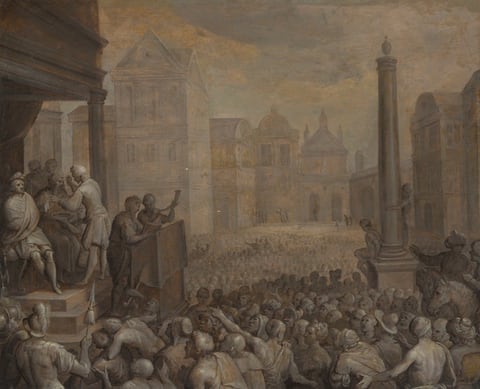
  3. A work made of oil on panel.
    The Judgement of ZaleucusOtto van Veen, c. 1605Courtesy of the Art Institute of Chicago
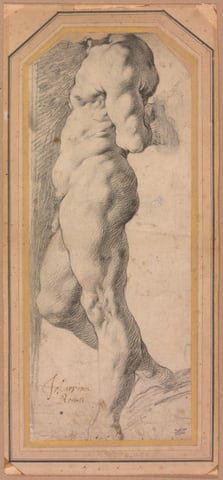
  4. A work made of black chalk on laid paper, laid down on tan laid pulp board.
    Study of a Standing Male NudeGiuseppe Cesari, called Cavaliere d'Arpino, 1595/96Courtesy of the Art Institute of Chicago

Second room, south wall
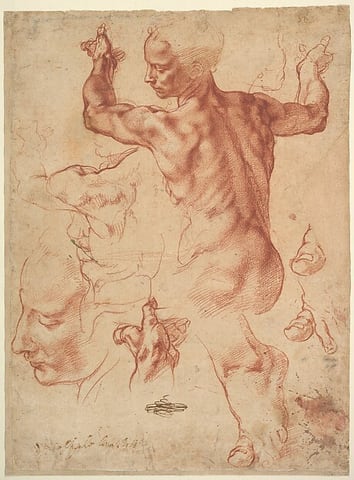
  1. Studies for the Libyan Sibyl (recto); Studies for the Libyan Sibyl and a small Sketch for a Seated Figure (verso), by Michelangelo Buonarroti, ca. 1510–11
    Studies for the Libyan Sibyl (recto); Studies for the Libyan Sibyl and a small Sketch for a Seated Figure (verso)Michelangelo Buonarroti, ca. 1510–11Courtesy of The Metropolitan Museum of Art
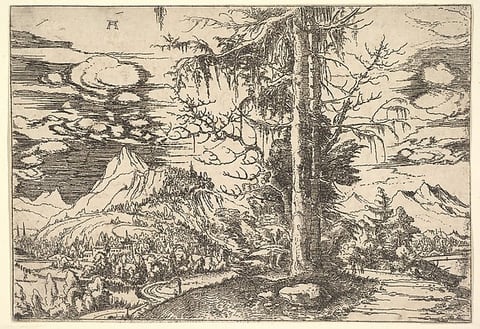
  2. Landscape with a Double Spruce, by Albrecht Altdorfer, ca. 1521–22
    Landscape with a Double SpruceAlbrecht Altdorfer, ca. 1521–22Courtesy of The Metropolitan Museum of Art
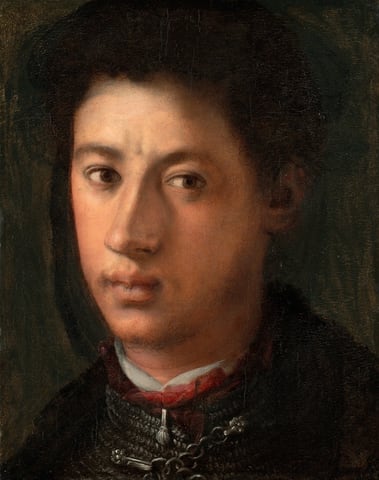
  3. A work made of oil on panel.
    Alessandro de' MediciPontormo, (Jacopo Carrucci), 1534–35Courtesy of the Art Institute of Chicago
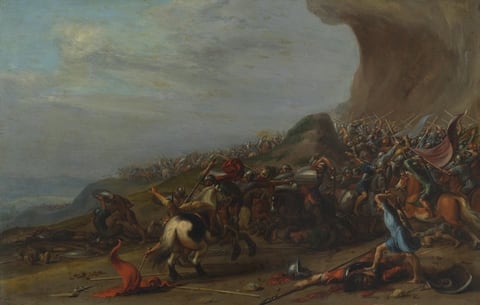
  4. A work made of oil on copper.
    David Slaying GoliathDutch, 1600–50Courtesy of the Art Institute of Chicago

Second room, north wall
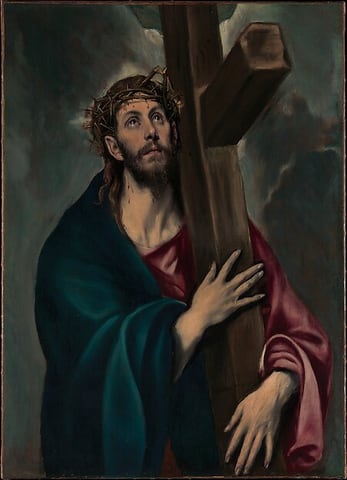
  1. Christ Carrying the Cross, by El Greco, ca. 1577–87
    Christ Carrying the CrossEl Greco, ca. 1577–87Courtesy of The Metropolitan Museum of Art
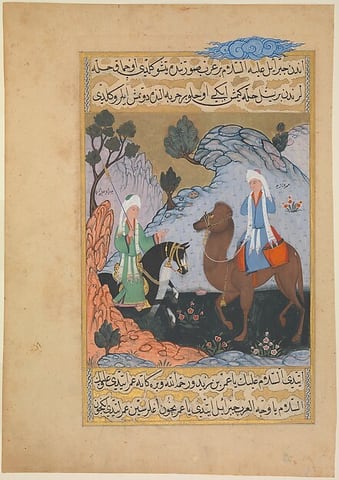
  2. "The Angel Gabriel meets 'Amr ibn Zaid (the Shepherd)", Folio from a Siyer-i Nebi (the Life of the Prophet), by Mustafa ibn Vali, ca. 1595
    "The Angel Gabriel meets 'Amr ibn Zaid (the Shepherd)", Folio from a Siyer-i Nebi (the Life of the Prophet)Mustafa ibn Vali, ca. 1595Courtesy of The Metropolitan Museum of Art
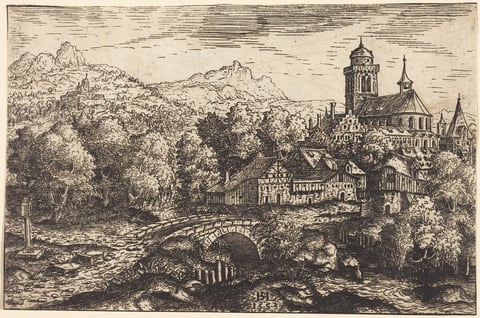
  3. The image features a landscape view of a medieval village scene. It includes a stone bridge over a river, buildings, a church with a tower, trees, hills, mountains, and cloudy sky. The image is depicted in intricate detail using a monochromatic palette, focusing on contrasts of light and shadow.
    Mountainous Landscape with a VillageHanns Lautensack, 1553Courtesy National Gallery of Art, Washington

Third room, north wall
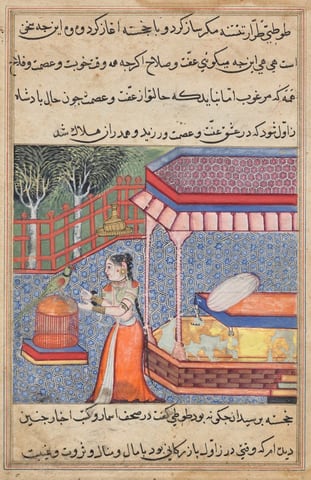
  1. The parrot addresses Khujasta at the beginning of the thirty-sixth night, from a Tuti-nama (Tales of a Parrot), c. 1560
    The parrot addresses Khujasta at the beginning of the thirty-sixth night, from a Tuti-nama (Tales of a Parrot)Unrecorded Indian maker, c. 1560Courtesy of the Cleveland Museum of Art
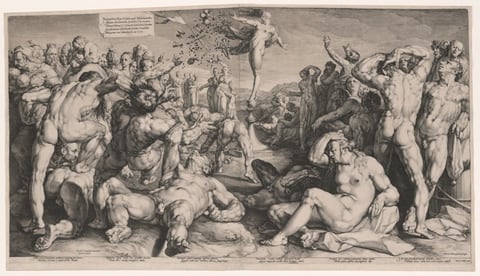
  2. A work made of engraving on two joined sheets of ivory laid paper.
    Fortune Distributing her GiftsJan Harmensz. Muller, 1590Courtesy of the Art Institute of Chicago