Skip to content
Ochre Editions
ArtArtistsCollectionsGalleriesDrops
SearchSign inCart (0)
The galleries · Time and place

The 17th century

Works made in the 17th century, anywhere in the world.

266 works · hang 5792 ·

Share The 17th century, in the galleries

The rooms are imagined; every work on their walls is real.

Walk this roomRehang this room

Section 1, north wall

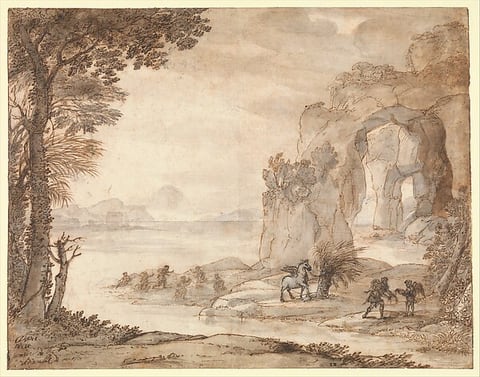
  1. Perseus and the Origin of Coral, by Claude Lorrain (Claude Gellée), ca. 1671
    Perseus and the Origin of CoralClaude Lorrain (Claude Gellée), ca. 1671Courtesy of The Metropolitan Museum of Art
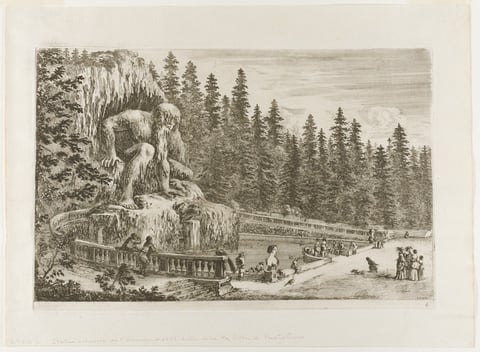
  2. A work made of etching in black on ivory laid paper.
    The Colossal Statue of the Apennines, from Views of Villa di PratolinoStefano della Bella, c. 1653Courtesy of the Art Institute of Chicago
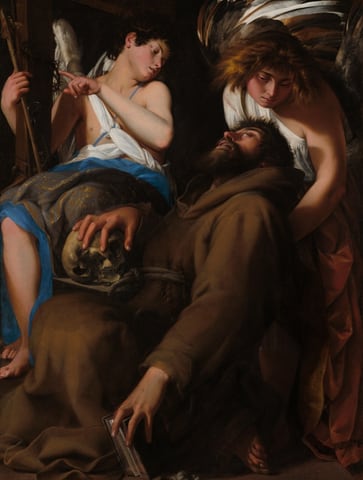
  3. A work made of oil on canvas.
    The Ecstasy of Saint FrancisGiovanni Baglione, 1601Courtesy of the Art Institute of Chicago

Section 1, south wall
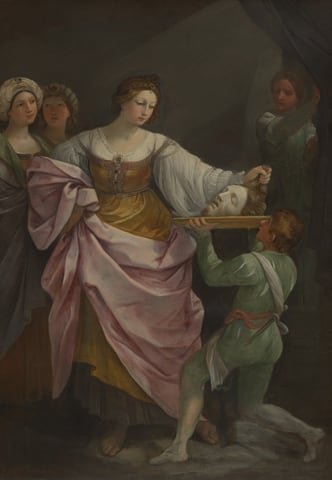
  1. Large painting of woman, in gold and pink dress, placing severed head on platter.
    Salome with the Head of Saint John the BaptistGuido Reni, c. 1639–42Courtesy of the Art Institute of Chicago
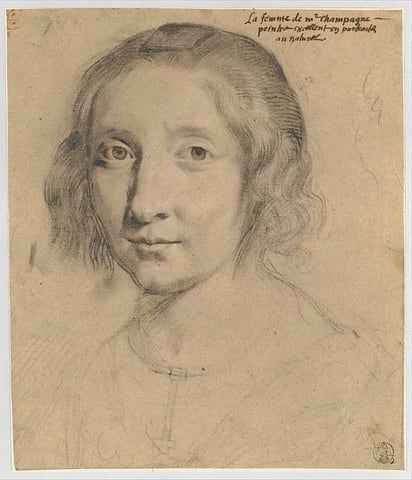
  2. Portrait of Charlotte Duchesne, by Philippe de Champaigne, ca. 1628
    Portrait of Charlotte DuchesnePhilippe de Champaigne, ca. 1628Courtesy of The Metropolitan Museum of Art
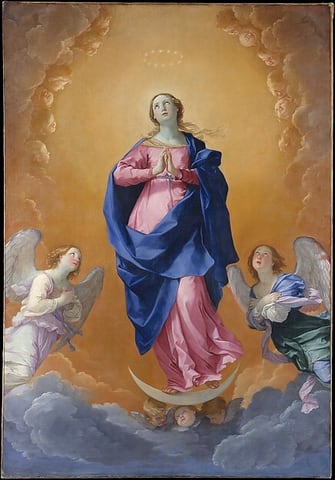
  3. The Immaculate Conception, by Guido Reni, 1627
    The Immaculate ConceptionGuido Reni, 1627Courtesy of The Metropolitan Museum of Art

Section 2, south wall
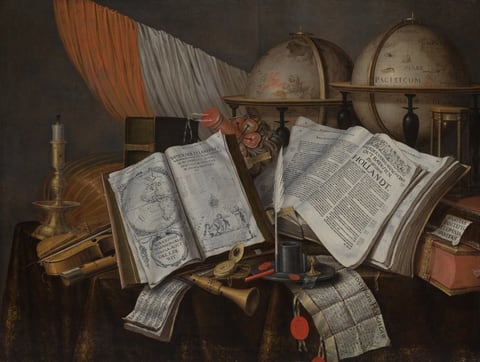
  1. A work made of oil on canvas.
    A Vanitas Still Life with a Flag, Candlestick, Musical Instruments, Books, Writing Paraphernalia, Globes, and HourglassEdwaert Collier, 1662Courtesy of the Art Institute of Chicago
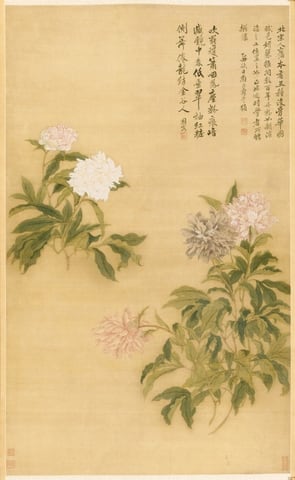
  2. Herbaceous Peony, by Yun Shouping, 1685
    Herbaceous PeonyYun Shouping, 1685Courtesy of the Cleveland Museum of Art
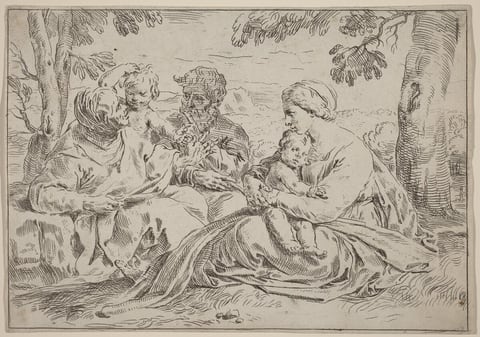
  3. The artwork depicts four human figures, two males and two females, seated. One woman holds a baby, while one man holds a young child. The figures have different hairstyles and clothing, sitting in a natural setting with trees and hills in the background. The scene is drawn in a sketch-like style, focusing on lines and expressions.
    The Holy FamilySimone CantariniCourtesy National Gallery of Art, Washington

Section 2, north wall
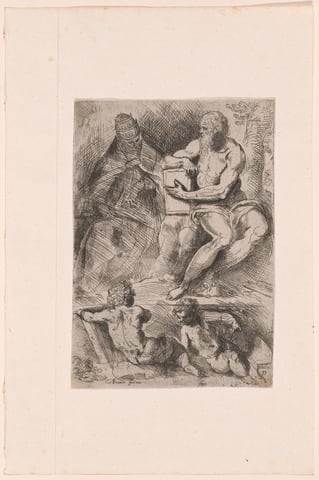
  1. A work made of etching in black on cream laid paper.
    Saint Jerome and a Pope with Two Putti (Saint Jerome and Pope Damasus)Jacopo Palma il Giovane, c. 1611Courtesy of the Art Institute of Chicago
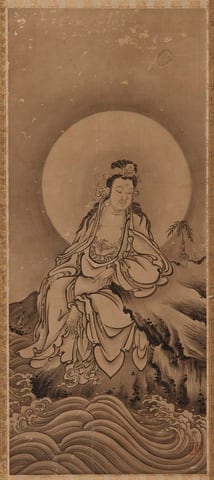
  2. Hanging scrolls (pair)
    KwannonUnrecorded Japanese maker, 1615-1868Courtesy of the National Museum of Asian Art, Smithsonian Institution
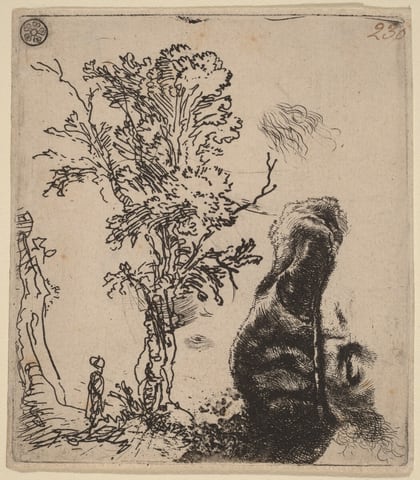
  3. The image displays intricate, swirling lines and textured shading to create an abstract scene. On the left side are fine lines resembling branches and leaves, with a small figure nearby. On the right side is a large, densely shaded form reminiscent of mountains or a rock formation. The elements come together to suggest landscapes and nature through imaginative shapes and line work.
    Sheet with Two Studies: a Tree, and the Upper Part of a Head of the Artist Wearing a Velvet CapRembrandt van Rijn, c. 1642Courtesy National Gallery of Art, Washington
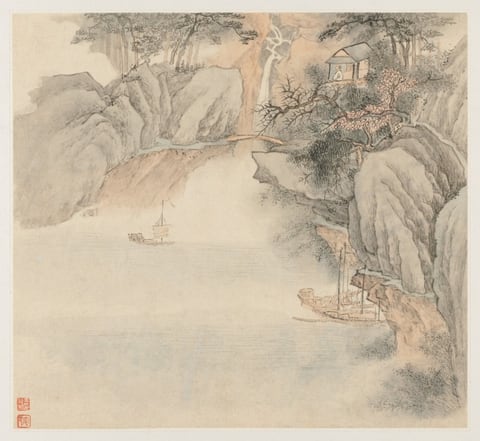
  4. Album of Landscapes: Leaf 4, by Wang Gai, 1677
    Album of Landscapes: Leaf 4Wang Gai, 1677Courtesy of the Cleveland Museum of Art

Section 3, north wall
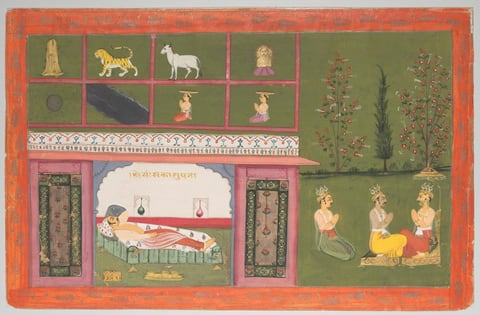
  1. Prince Shreyamsa dreams of the coming of Rishabha, from a Panchakalyanaka (Five Auspicious Events), 1670–80
    Prince Shreyamsa dreams of the coming of Rishabha, from a Panchakalyanaka (Five Auspicious Events)Unrecorded Indian maker, 1670–80Courtesy of the Cleveland Museum of Art
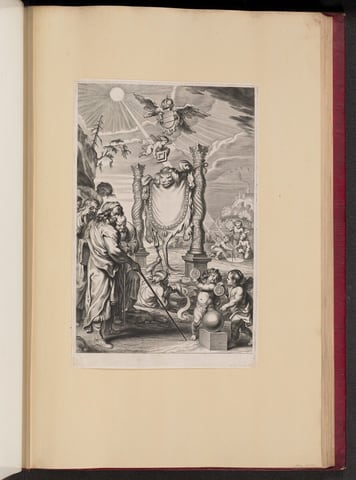
  2. This is a drawing of a mythological or allegorical scene. The scene features various figures of different ages engaged in activities around a central structure resembling an ornate draped curtain held up by columns. There is a celestial element shining down from the top, and an emblem or coat of arms held by winged figures at the very top. The figures are dressed in flowing robes and interact with each other and objects such as a globe and a staff. The composition is rich with symbolism, typical of artwork focused on narrative depth and storytelling.
    Title Page for G. de St. Vincent, Opus Geometricum Quadraturae CirculiCornelis Galle II, 1647Courtesy National Gallery of Art, Washington
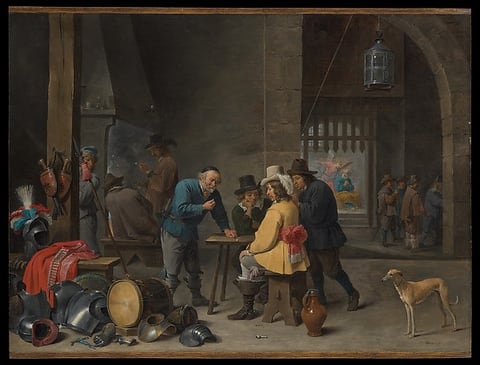
  3. Guardroom with the Deliverance of Saint Peter, by David Teniers the Younger, ca. 1645–47
    Guardroom with the Deliverance of Saint PeterDavid Teniers the Younger, ca. 1645–47Courtesy of The Metropolitan Museum of Art

Walk on

  • The 17th century, room 2
  • David Teniers the Younger's contemporaries 8 works
  • More Dutch and Flemish Baroque 94 works
Ochre Editions

The world's museums, on your wall. Every work here is a reproduction of a public-domain original, credited to the museum that holds it.

Shop

All artCollectionsLimited dropsPrints and framing

Help

Find an orderShippingReturnsVerify a certificate

About

About Ochre EditionsMuseum creditsFor agentsDevelopers

Legal

Terms of UseTerms of SaleLimited Editions and CertificatesPrivacy PolicyCookie PolicyAcceptable Use PolicyAgent & API TermsCopyright and DMCA PolicyPrinting Your Own PhotoVulnerability Disclosure PolicyAccessibility StatementOpen-Access Credits
© 2026 Ochre EditionsPrices in US dollars. Prints ship within the United States.