18th-century Japan
Works in this room
Works made in Japan in the 18th century.
Section 1, north wall
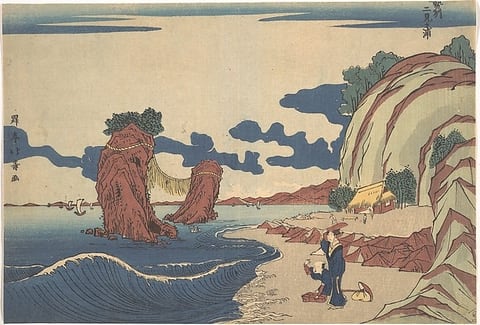
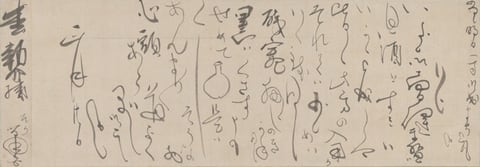
View of Futami Beach at IseShōtei Hokuju, ca. 1810–1820Courtesy of The Metropolitan Museum of Art Handwritten LetterSoga Shohaku, c. 1754Courtesy of the Art Institute of Chicago
Section 1, south wall
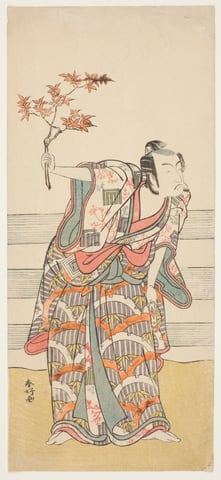
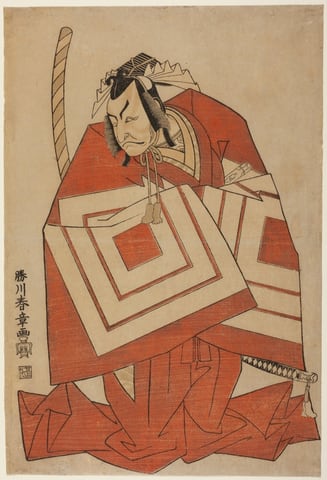
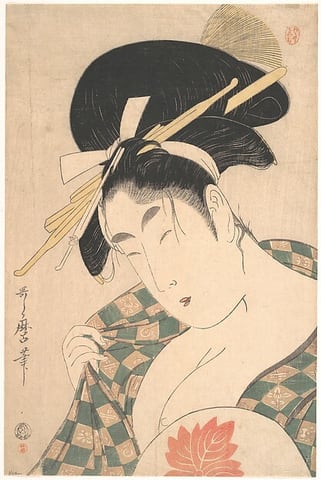
Actor Ichikawa Monnosuke II in an Unidentified RoleKatsukawa Shunkо̄, About 1785Courtesy of the Art Institute of Chicago The Actor Ichikawa Danjuro IV in a "Shibaraku" Role, Possibly from the Play Ima o Sakari Suehiro Genji (The Genji Clan Now at Its Zenith), Performed at the Nakamura Theater from the First Day of the Eleventh Month, 1768Katsukawa Shunshō, c. 1768Courtesy of the Art Institute of Chicago A CourtesanKitagawa UtamaroCourtesy of The Metropolitan Museum of Art
Section 2, south wall
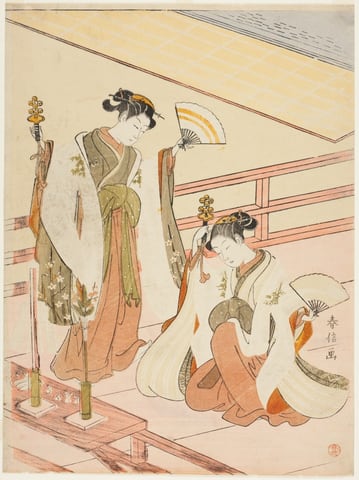
The Dance of the Shrine Maidens Ohatsu and OnamiSuzuki Harunobu, c. 1769Courtesy of the Art Institute of Chicago 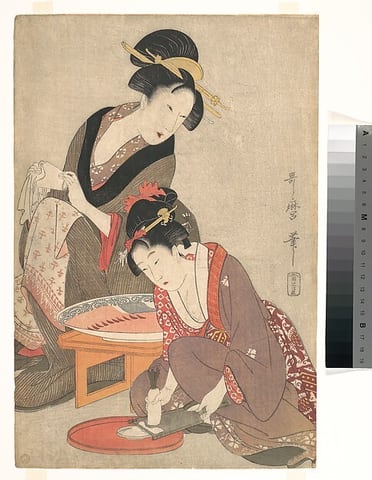
Women Grating Radish for SashimiKitagawa Utamaro, ca. 1798–99Courtesy of The Metropolitan Museum of Art 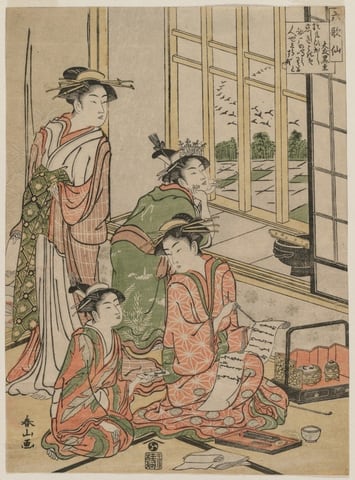
Courtesans at Leisure from the series The Six Immortal PoetsKatsukawa Shunzan, early 1780sCourtesy of the Cleveland Museum of Art
Section 2, north wall
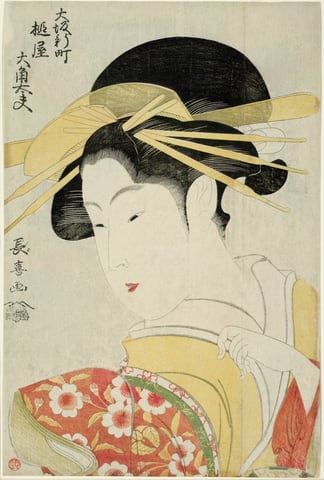
Osumi, a Tayu of the Tsuchiya in the Shinmachi Quarter in OsakaEishosai Choki, c. 1796/97Courtesy of the Art Institute of Chicago 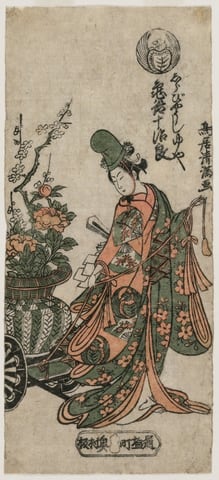
Kametani Jujiro as the Shirabyoshi Dancer YuyaTorii Kiyomitsu, c. early 1760sCourtesy of the Cleveland Museum of Art
Section 3, north wall
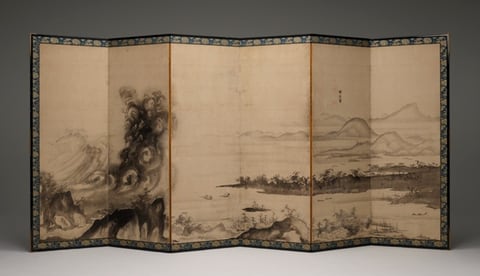
Mount Fuji and the Miho Pine ForestSoga Shohaku, c. 1761-1762Courtesy of the Art Institute of Chicago 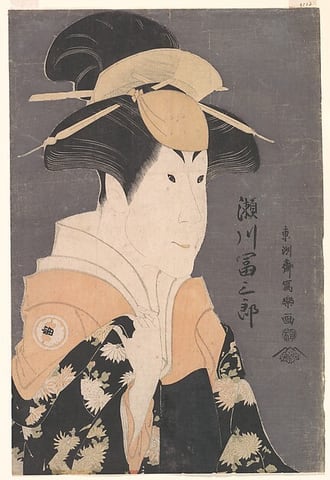
Segawa Tomisaburō II as Yadorigi in the Play "Hana Ayame Bunroku Soga"Tōshūsai Sharaku, 1794Courtesy of The Metropolitan Museum of Art
Section 3, south wall
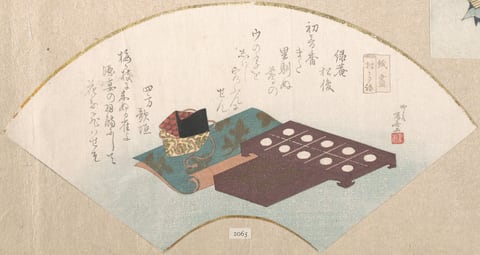
Outfit for the Game of IncenseRyūryūkyo Shinsai, 19th centuryCourtesy of The Metropolitan Museum of Art 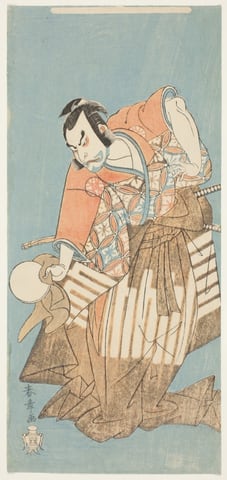
Actor Nakamura Nakazô I as Osada no Tarô in The Genji Clan Now at Its Zenith (Ima o sakari suehiro Genji)Katsukawa Shunshō, About 1768Courtesy of the Art Institute of Chicago
Section 4, south wall
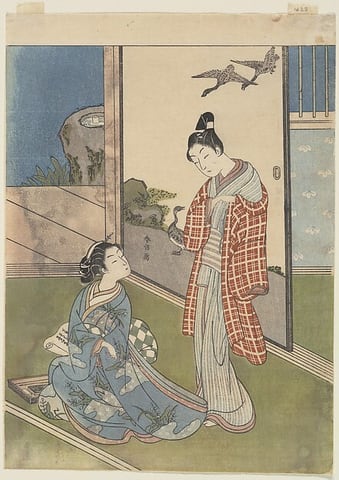
A Girl Writing a LetterSuzuki Harunobu, 18th centuryCourtesy of The Metropolitan Museum of Art 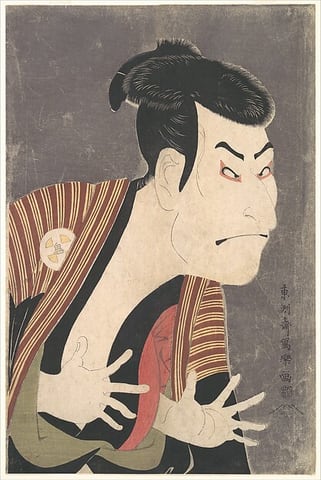
Kabuki Actor Ōtani Oniji III as Yakko EdobeiTōshūsai Sharaku, 1794Courtesy of The Metropolitan Museum of Art