Post-Impressionism
Works in this room
Artists who kept Impressionism's colour but pushed towards structure, symbol and feeling.
Section 1, north wall
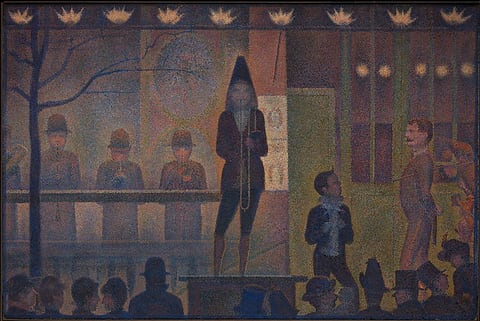
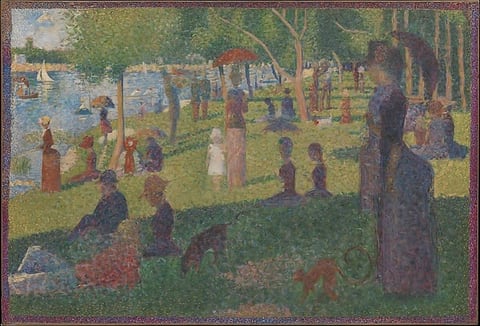
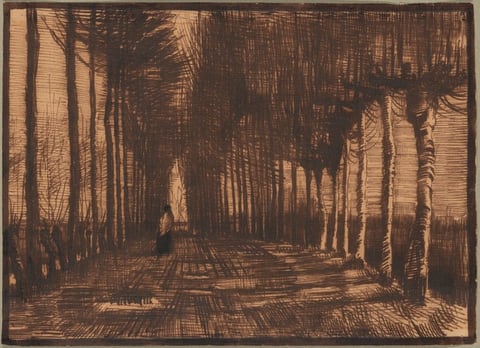
Circus Sideshow (Parade de cirque)Georges Seurat, 1887–88Courtesy of The Metropolitan Museum of Art Study for "A Sunday on La Grande Jatte"Georges Seurat, 1884Courtesy of The Metropolitan Museum of Art Avenue of Pollard Birches and PoplarsVincent van Gogh, March 1884Courtesy of the Art Institute of Chicago
Section 1, south wall
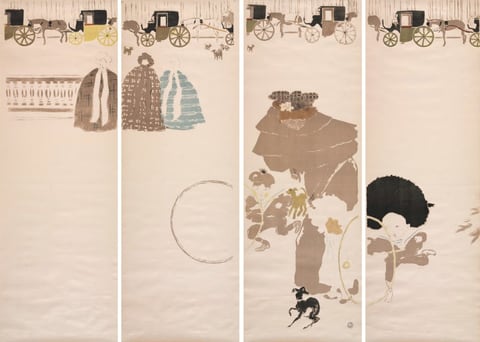
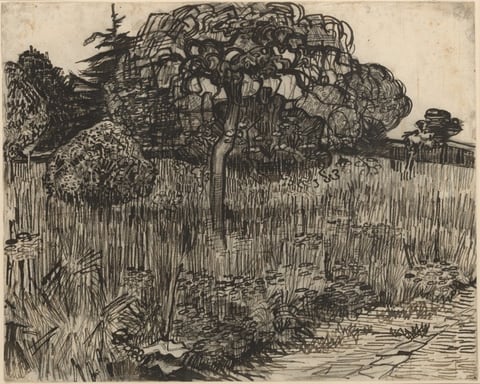
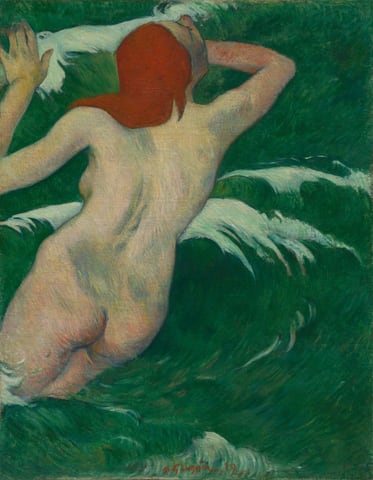
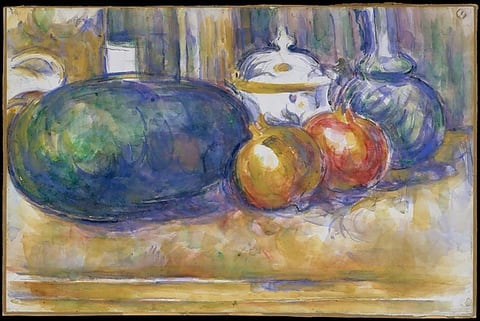
Nursemaids’ Promenade, Frieze of CarriagesPierre Bonnard, 1895Courtesy of the Cleveland Museum of Art Weeping TreeVincent van Gogh, 1889Courtesy of the Art Institute of Chicago In the Waves (Dans les Vagues)Paul Gauguin, 1889Courtesy of the Cleveland Museum of Art Still-Life with a Watermelon and PomegranatesPaul Cézanne, 1900–1906Courtesy of The Metropolitan Museum of Art
Section 2, south wall
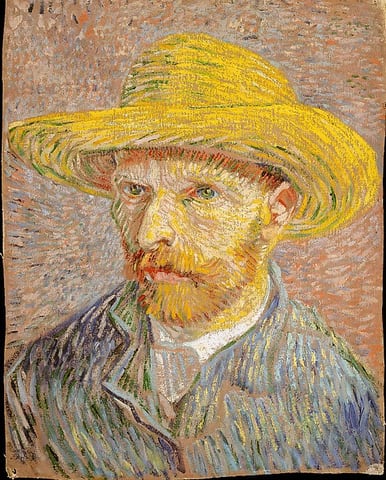
Self-Portrait with a Straw Hat (obverse: The Potato Peeler)Vincent van Gogh, 1887Courtesy of The Metropolitan Museum of Art 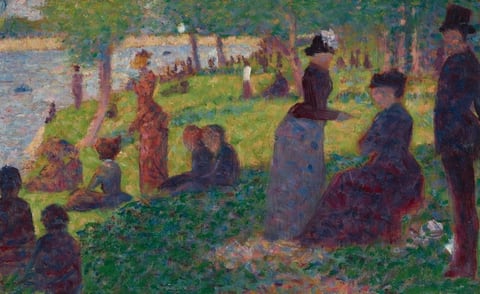
Oil Sketch for "A Sunday on La Grande Jatte — 1884"Georges Seurat, 1884Courtesy of the Art Institute of Chicago 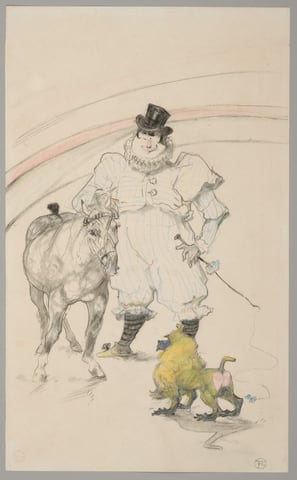
At the Circus: Trained Pony and BaboonHenri de Toulouse-Lautrec, 1899Courtesy of the Art Institute of Chicago 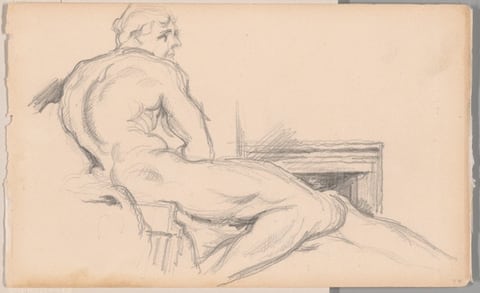
Hercules RestingPaul Cézanne, 1897Courtesy of the Art Institute of Chicago
Section 2, north wall
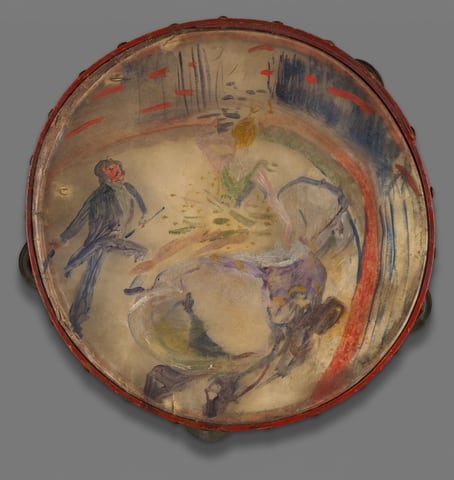
At the Circus: The Bareback Rider (Au Cirque: Écuyère)Henri de Toulouse-Lautrec, 1888Courtesy of the Art Institute of Chicago 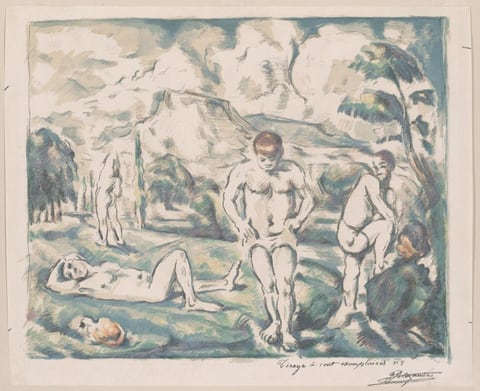
BathersPaul Cézanne, 1890–1900Courtesy of the Art Institute of Chicago 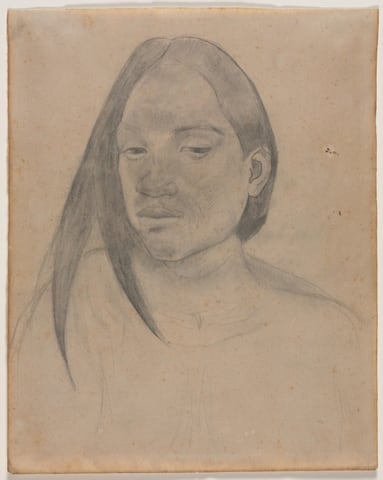
Head of a Tahitian WomanPaul Gauguin, 1891Courtesy of the Cleveland Museum of Art
Section 3, north wall
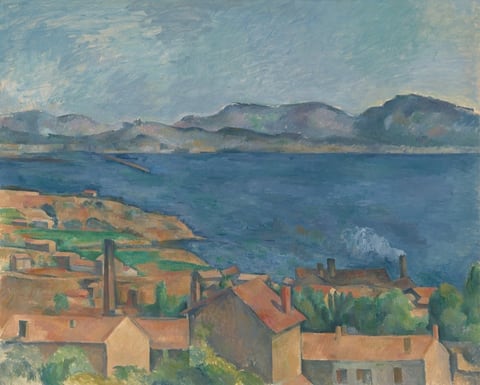
The Bay of Marseille, Seen from L'EstaquePaul Cézanne, c. 1885Courtesy of the Art Institute of Chicago 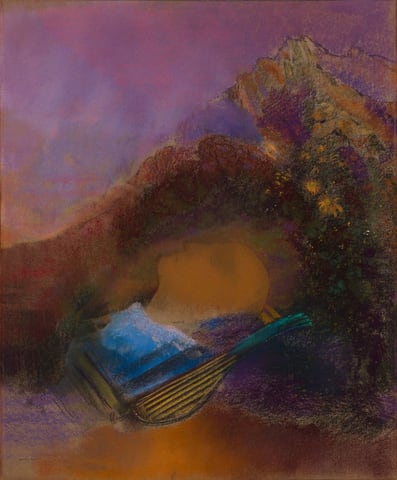
OrpheusOdilon Redon, c. 1903–10Courtesy of the Cleveland Museum of Art