Floor plan

East wing: The Nineteenth CenturyPost-Impressionism

Post-Impressionism

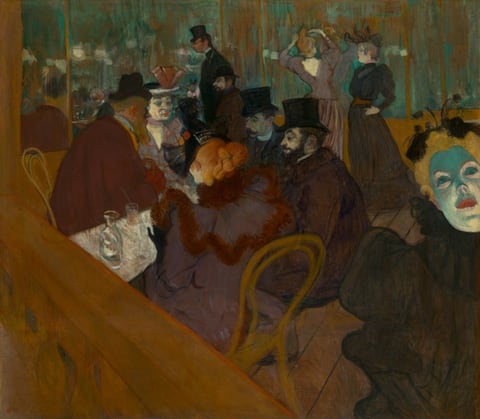
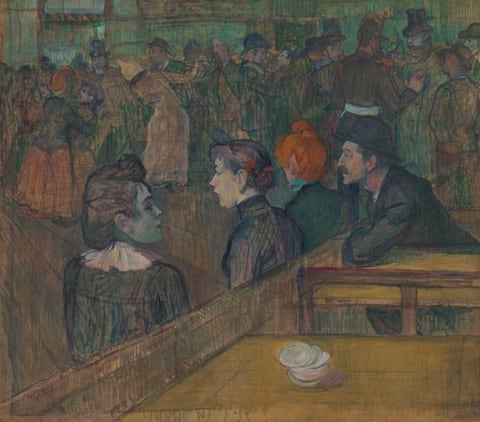
Painting, heavy in tones of blue-green and burnt orange, depicting a bar scene at night. The men wear top hats and many are bearded; the women are dressed in voluminous gowns and decorative hats. Five people converse in the center of the composition and a woman with a green face dominates the right foreground.
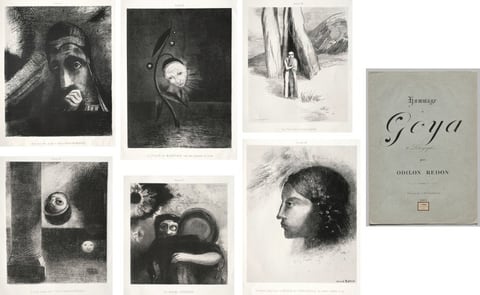
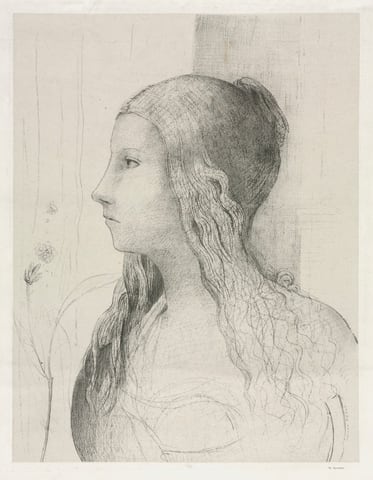
Homage to Goya, by Odilon Redon, 1885
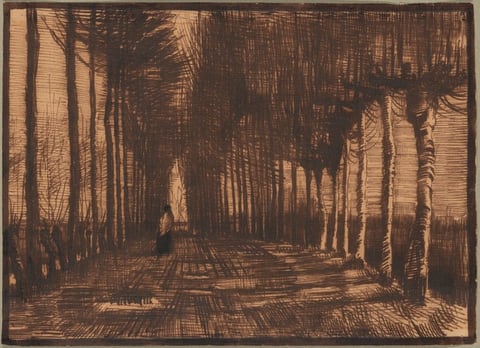
A work made of reed pen and iron-gall ink on tan laid paper.
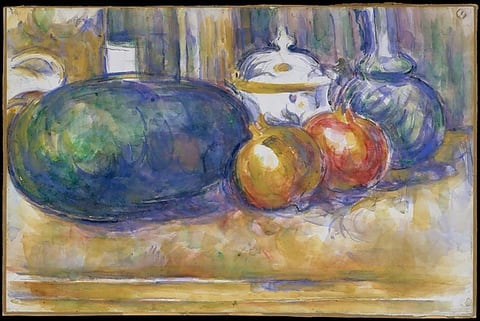
Still-Life with a Watermelon and Pomegranates, by Paul Cézanne, 1900–1906
A scene in brown and green tones of people dancing indoors. In the foreground, three women stand near boothed tables while a man sits.
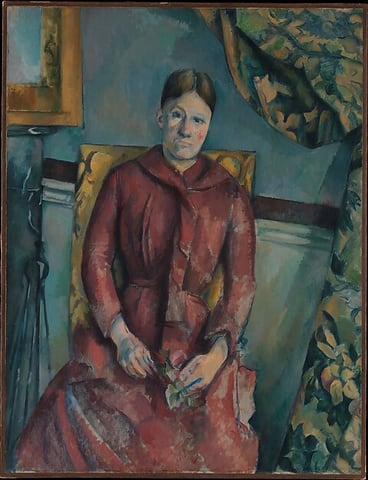
Madame Cézanne (Hortense Fiquet, 1850–1922) in a Red Dress, by Paul Cézanne, 1888–90
Brünnhilde in Twilight of the Gods, by Odilon Redon, 1894
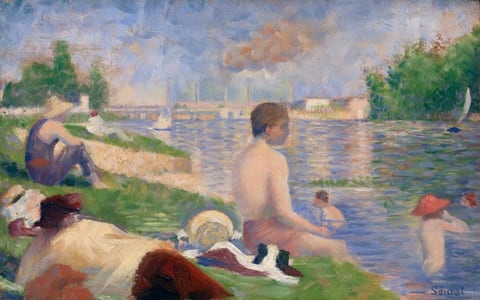
A work made of oil on panel.

The works in this room are listed below.

Works in this room

Artists who kept Impressionism's colour but pushed towards structure, symbol and feeling.

Section 1, north wall

  1. Painting, heavy in tones of blue-green and burnt orange, depicting a bar scene at night. The men wear top hats and many are bearded; the women are dressed in voluminous gowns and decorative hats. Five people converse in the center of the composition and a woman with a green face dominates the right foreground.
    At the Moulin RougeHenri de Toulouse-Lautrec, 1892–95Courtesy of the Art Institute of Chicago
  2. Homage to Goya, by Odilon Redon, 1885
    Homage to GoyaOdilon Redon, 1885Courtesy of the Cleveland Museum of Art
  3. A work made of reed pen and iron-gall ink on tan laid paper.
    Avenue of Pollard Birches and PoplarsVincent van Gogh, March 1884Courtesy of the Art Institute of Chicago
  4. Still-Life with a Watermelon and Pomegranates, by Paul Cézanne, 1900–1906
    Still-Life with a Watermelon and PomegranatesPaul Cézanne, 1900–1906Courtesy of The Metropolitan Museum of Art

Section 1, south wall

  1. A scene in brown and green tones of people dancing indoors. In the foreground, three women stand near boothed tables while a man sits.
    Moulin de la GaletteHenri de Toulouse-Lautrec, 1889Courtesy of the Art Institute of Chicago
  2. Madame Cézanne (Hortense Fiquet, 1850–1922) in a Red Dress, by Paul Cézanne, 1888–90
    Madame Cézanne (Hortense Fiquet, 1850–1922) in a Red DressPaul Cézanne, 1888–90Courtesy of The Metropolitan Museum of Art
  3. Brünnhilde in Twilight of the Gods, by Odilon Redon, 1894
    Brünnhilde in Twilight of the GodsOdilon Redon, 1894Courtesy of the Cleveland Museum of Art
  4. A work made of oil on panel.
    Final Study for "Bathers at Asnières"Georges Seurat, 1883Courtesy of the Art Institute of Chicago

Section 2, south wall
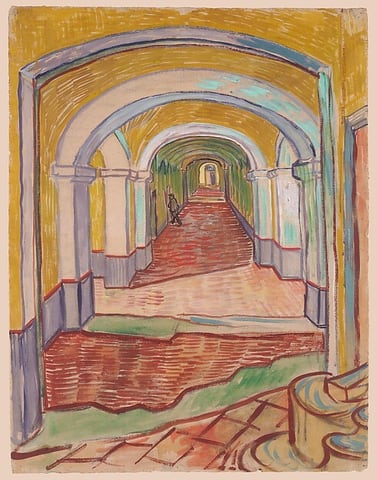
  1. Corridor in the Asylum, by Vincent van Gogh, September 1889
    Corridor in the AsylumVincent van Gogh, September 1889Courtesy of The Metropolitan Museum of Art
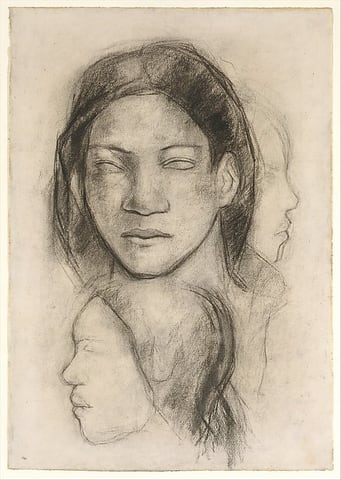
  2. Tahitian Faces (Frontal View and Profiles), by Paul Gauguin, ca. 1899
    Tahitian Faces (Frontal View and Profiles)Paul Gauguin, ca. 1899Courtesy of The Metropolitan Museum of Art
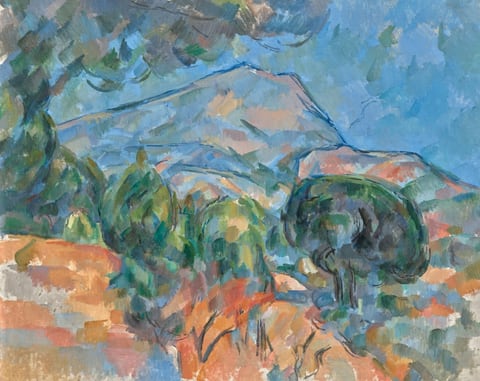
  3. Mount Sainte-Victoire, by Paul Cézanne, c. 1904
    Mount Sainte-VictoirePaul Cézanne, c. 1904Courtesy of the Cleveland Museum of Art
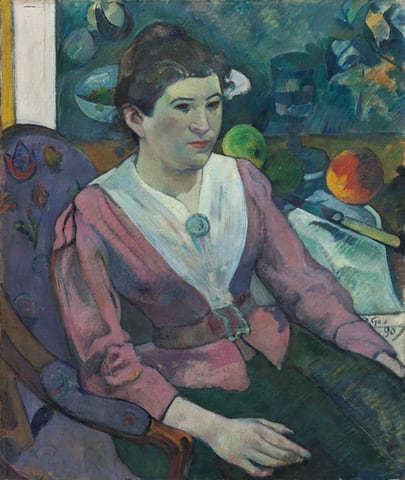
  4. A work made of oil on linen canvas.
    Woman in Front of a Still Life by CezannePaul Gauguin, 1890Courtesy of the Art Institute of Chicago

Section 2, north wall
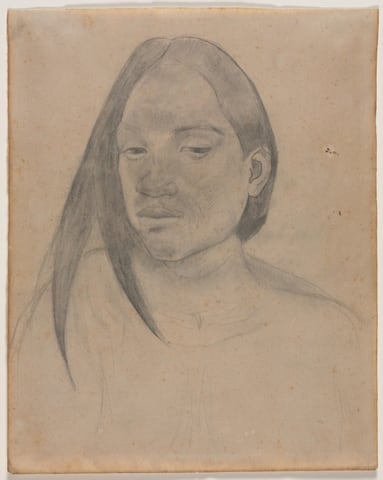
  1. Head of a Tahitian Woman, by Paul Gauguin, 1891
    Head of a Tahitian WomanPaul Gauguin, 1891Courtesy of the Cleveland Museum of Art
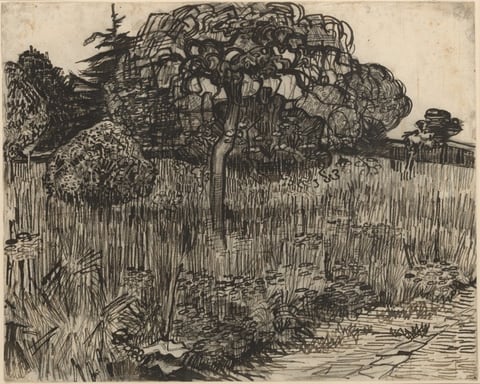
  2. A work made of reed pen and black-brown ink, with black chalk on off-white wove paper.
    Weeping TreeVincent van Gogh, 1889Courtesy of the Art Institute of Chicago
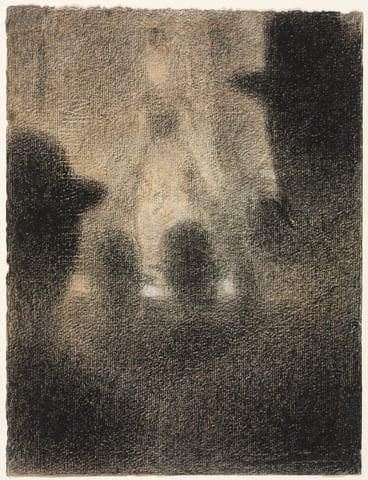
  3. At the Concert Parisien, by Georges Seurat, 1887–88
    At the Concert ParisienGeorges Seurat, 1887–88Courtesy of the Cleveland Museum of Art
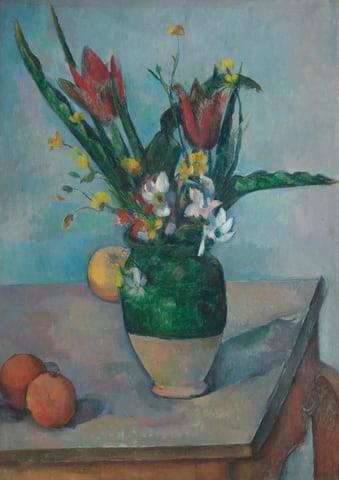
  4. A work made of oil on canvas.
    The Vase of TulipsPaul Cézanne, c. 1890Courtesy of the Art Institute of Chicago