Floor plan

West wing: Old MastersRenaissance

Renaissance

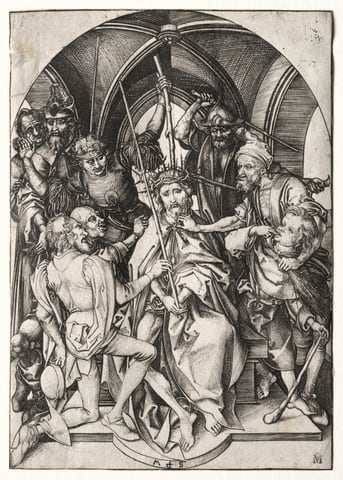
Christ Crowned with Thorns, by Martin Schongauer, 1470–82
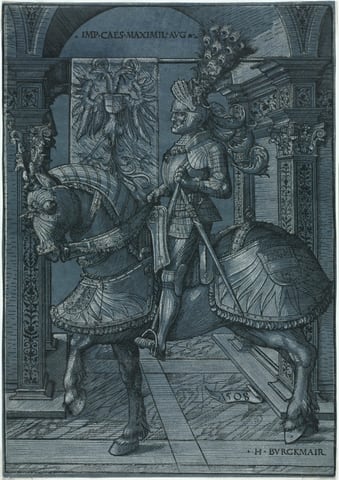
Equestrian Portrait of the Emperor Maximilian, by Hans Burgkmair, 1508
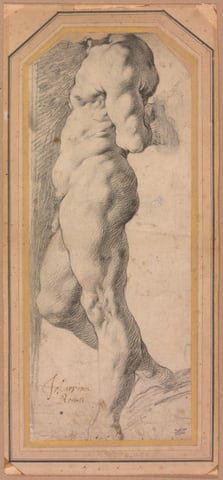
A work made of black chalk on laid paper, laid down on tan laid pulp board.
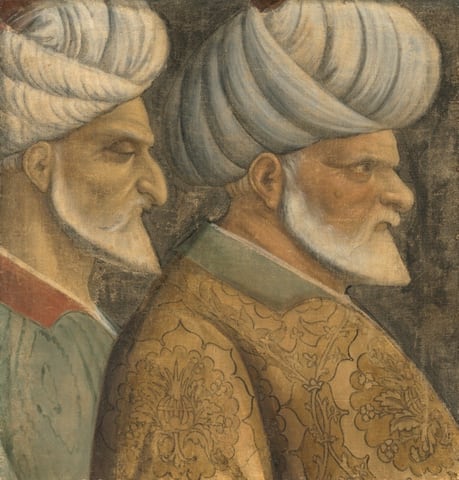
A work made of tempera on canvas.
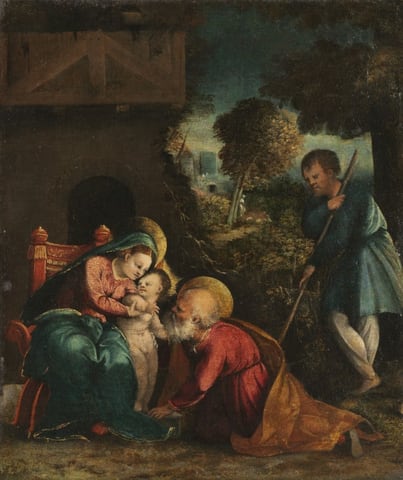
Holy Family with a Shepherd, by Battista Dossi, early 1520s
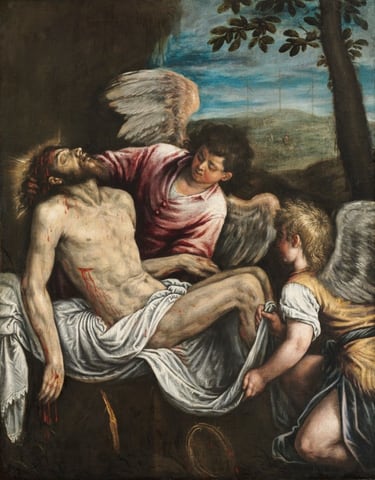
The Dead Christ with Angels, by Leandro Bassano, c. 1580
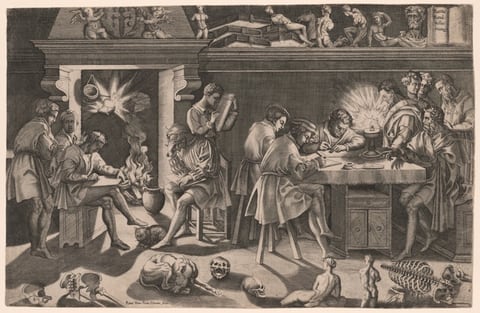
A work made of engraving in black on cream laid paper.
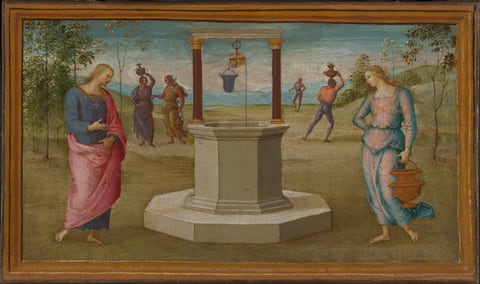
A work made of tempera on panel, transferred to canvas.

The works in this room are listed below.

Works in this room

European art from about 1400 to 1600, when painters rediscovered perspective and the classical past.

Section 1, north wall

  1. Christ Crowned with Thorns, by Martin Schongauer, 1470–82
    Christ Crowned with ThornsMartin Schongauer, 1470–82Courtesy of the Cleveland Museum of Art
  2. Equestrian Portrait of the Emperor Maximilian, by Hans Burgkmair, 1508
    Equestrian Portrait of the Emperor MaximilianHans Burgkmair, 1508Courtesy of the Cleveland Museum of Art
  3. A work made of black chalk on laid paper, laid down on tan laid pulp board.
    Study of a Standing Male NudeGiuseppe Cesari, called Cavaliere d'Arpino, 1595/96Courtesy of the Art Institute of Chicago
  4. A work made of tempera on canvas.
    Sinan Reis and Hayreddin BarbarossaItalian, c. 1535Courtesy of the Art Institute of Chicago

Section 1, south wall

  1. Holy Family with a Shepherd, by Battista Dossi, early 1520s
    Holy Family with a ShepherdBattista Dossi, early 1520sCourtesy of the Cleveland Museum of Art
  2. The Dead Christ with Angels, by Leandro Bassano, c. 1580
    The Dead Christ with AngelsLeandro Bassano, c. 1580Courtesy of the Cleveland Museum of Art
  3. A work made of engraving in black on cream laid paper.
    The Academy of Baccio BandinelliEnea Vico, 1544/50, printed c. 1560sCourtesy of the Art Institute of Chicago
  4. A work made of tempera on panel, transferred to canvas.
    Christ and the Woman of SamariaPerugino, 1500–05Courtesy of the Art Institute of Chicago

Section 2, south wall
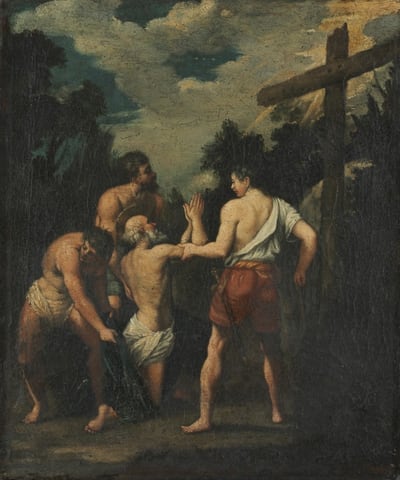
  1. Martyrdom of Saint Andrew, by Guido Reni, 1600s
    Martyrdom of Saint AndrewGuido Reni, 1600sCourtesy of the Cleveland Museum of Art
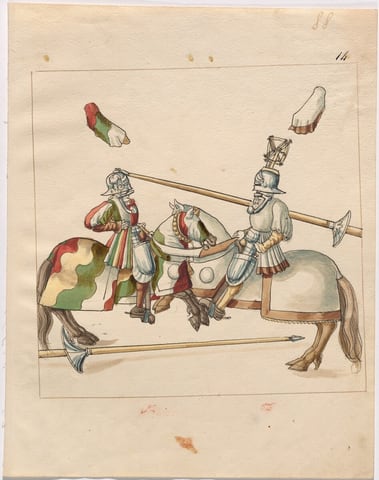
  2. This is a drawing of two armored knights on horseback during a joust. It depicts two horses with riders clad in full armor, including helmets with decorative details. Each knight holds a lance, poised as if they are about to engage in a jousting match. The horses are also adorned in armor, with a colorful caparison draped over them. On the ground, there are lances and a halberd seen in the foreground. There are also disembodied arms and hands illustrated in the composition, adding an abstract element. The style is illustrative, capturing the medieval theme of chivalric tournaments.
    Mock Joust of War with Flying Shields and Without BevorsUnrecorded German maker, c.1512-1515Courtesy National Gallery of Art, Washington
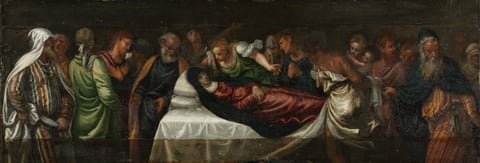
  3. Death of the Virgin, mid-1500s
    Death of the VirginUnrecorded Italian maker, mid-1500sCourtesy of the Cleveland Museum of Art
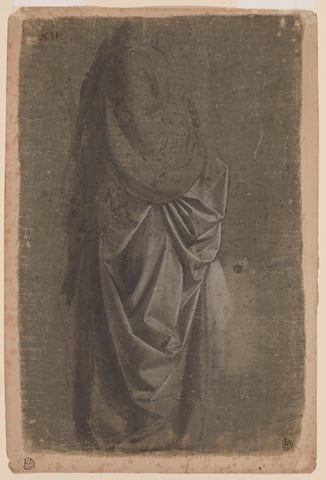
  4. A work made of brush and opaque watercolor, on linen prepared with a gray ground, mounted to cream laid paper.
    Drapery Study of a Standing Figure Facing Right, in ProfileAndrea del Verrocchio, late 1460s–early 1470sCourtesy of the Art Institute of Chicago

Section 2, north wall
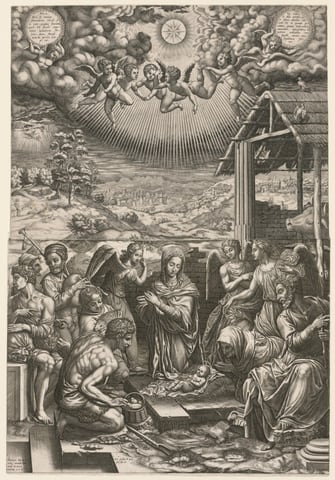
  1. The Nativity, by Giorgio Ghisi, 1553
    The NativityGiorgio Ghisi, 1553Courtesy of the Cleveland Museum of Art
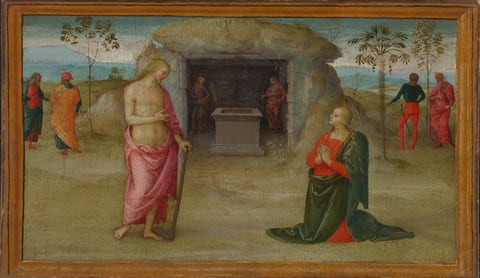
  2. A work made of tempera on panel, transferred to canvas.
    Noli Me TangerePerugino, 1500–05Courtesy of the Art Institute of Chicago
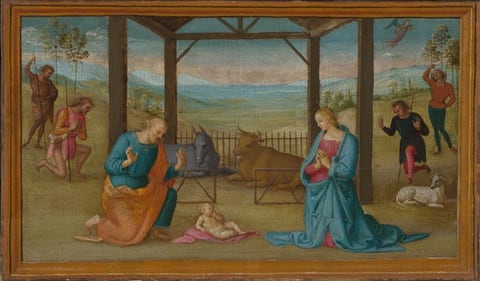
  3. A work made of tempera on panel, transferred to canvas.
    The NativityPerugino, 1500–05Courtesy of the Art Institute of Chicago
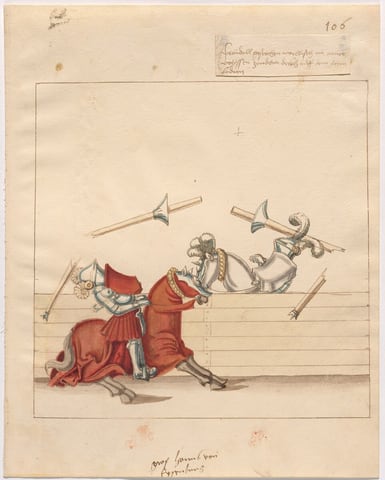
  4. This is a drawing of two armored figures on horseback engaged in a joust. Both knights are clad in ornate armor and mounted on horses as they participate in the match. The scene captures the moment of impact, with splintered lances flying in the air. One knight in silver armor with blue accents is being unseated from his horse, while the other knight in red and silver armor remains mounted. Both horses are draped in colors matching their riders' armors. The focus is on the dynamic action and energy of the joust, with fine details showing the armor's shine and the movement of the horses. The drawing is bordered, and there is some script at the top and bottom.
    Italian Joust of PeaceUnrecorded German maker, c.1512-1515Courtesy National Gallery of Art, Washington