Floor plan

Style galleriesDrawings of the 18th century
Drawings of the 18th century
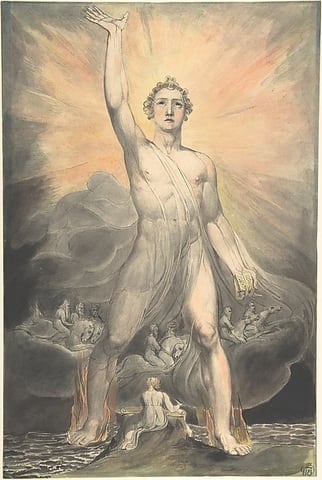
Angel of the Revelation (Book of Revelation, chapter 10), by William Blake, ca. 1803–5
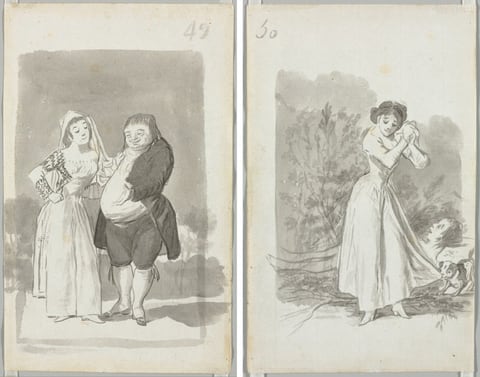
Young Woman (possibly a Sex Worker) with a Man (recto); Young Woman Wringing Her Hands over a Man's Naked Body (verso), by Francisco Goya, 1796–97
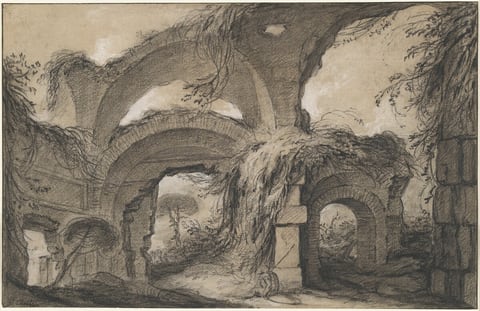
The image shows an ancient ruin with arches and crumbling stonework surrounded by overgrown vegetation. The horizon is slightly elevated, emphasizing the towering remnants of the architecture. Expressive brushstrokes and textures are notable, especially in the vines and leaves on the stone. The color palette is subdued, mainly earthy tones and black, creating contrast and suggesting openings into the distance, enhancing the old, abandoned feel of the ruins.
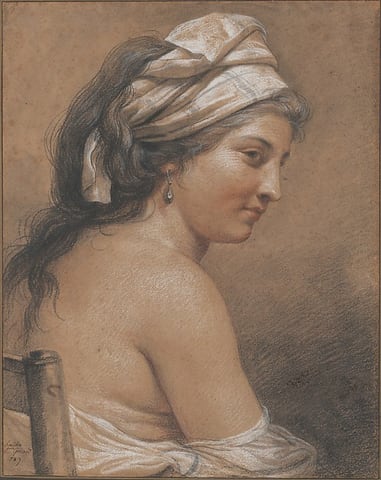
Study of a Seated Woman Seen from Behind (Marie-Gabrielle Capet), by Adélaïde Labille-Guiard, 1789
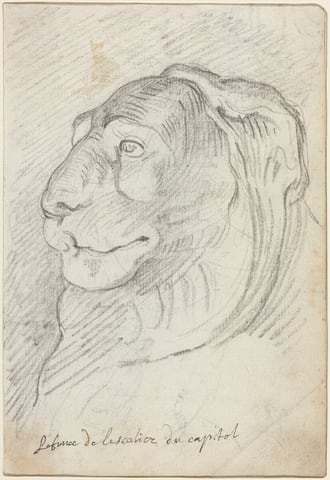
This is a detailed sketch of a lion's head, positioned to show its profile. The drawing features the lion's broad nose, rounded mouth, large eye, and flowing mane. The facial features are depicted with various curves and lines. The sketch is on textured paper with pencil shading creating variations in the background. Handwritten text at the bottom reads "Leone de l'Escalier du capitol."

The works in this room are listed below.

Works in this room

Drawings made in the 18th century, from every museum.

Section 1, north wall

  1. Angel of the Revelation (Book of Revelation, chapter 10), by William Blake, ca. 1803–5
    Angel of the Revelation (Book of Revelation, chapter 10)William Blake, ca. 1803–5Courtesy of The Metropolitan Museum of Art
  2. Young Woman (possibly a Sex Worker) with a Man (recto); Young Woman Wringing Her Hands over a Man's Naked Body (verso), by Francisco Goya, 1796–97
    Young Woman (possibly a Sex Worker) with a Man (recto); Young Woman Wringing Her Hands over a Man's Naked Body (verso)Francisco Goya, 1796–97Courtesy of the Cleveland Museum of Art
  3. The image shows an ancient ruin with arches and crumbling stonework surrounded by overgrown vegetation. The horizon is slightly elevated, emphasizing the towering remnants of the architecture. Expressive brushstrokes and textures are notable, especially in the vines and leaves on the stone. The color palette is subdued, mainly earthy tones and black, creating contrast and suggesting openings into the distance, enhancing the old, abandoned feel of the ruins.
    Arches of the Larger Baths at Hadrian's VillaCharles Michel-Ange Challe, c. 1748Courtesy National Gallery of Art, Washington

Section 1, south wall

  1. Study of a Seated Woman Seen from Behind (Marie-Gabrielle Capet), by Adélaïde Labille-Guiard, 1789
    Study of a Seated Woman Seen from Behind (Marie-Gabrielle Capet)Adélaïde Labille-Guiard, 1789Courtesy of The Metropolitan Museum of Art
  2. This is a detailed sketch of a lion's head, positioned to show its profile. The drawing features the lion's broad nose, rounded mouth, large eye, and flowing mane. The facial features are depicted with various curves and lines. The sketch is on textured paper with pencil shading creating variations in the background. Handwritten text at the bottom reads "Leone de l'Escalier du capitol."
    Lion's Head from the Capitoline StaircaseAugustin Pajou, 1752/1756Courtesy National Gallery of Art, Washington

Section 2, south wall
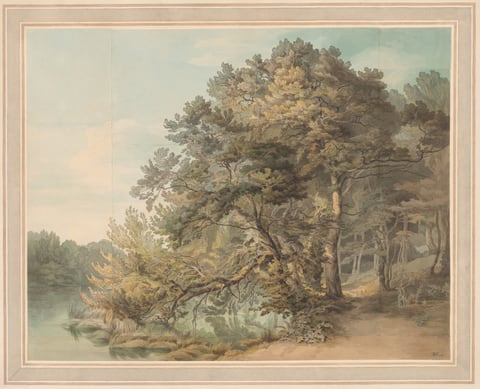
  1. The image shows a forest by a serene, tree-lined body of water. The horizon is high with tall trees extending close to it, creating a sense of depth. The brushstrokes and watercolor application are delicate, capturing textures of leaves and water gently. The color palette includes muted greens, soft browns, and hints of blue and cream. Closest to us is a dense cluster of trees on the right, curving over the water. Across the water, other tree clusters and shrubs recede into the misty background towards the left.
    Peamore, DevonJohn White Abbott, 1799Courtesy National Gallery of Art, Washington

  2. Self-Portrait, by Francisco Goya, ca. 1796
    Self-PortraitFrancisco Goya, ca. 1796Courtesy of The Metropolitan Museum of Art
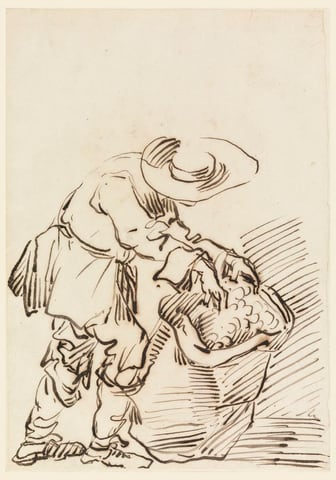
  3. WORKING PEASANT
    Working PeasantCarlo Marchionni, 1728–78Courtesy of Cooper Hewitt, Smithsonian Design Museum

Section 2, north wall
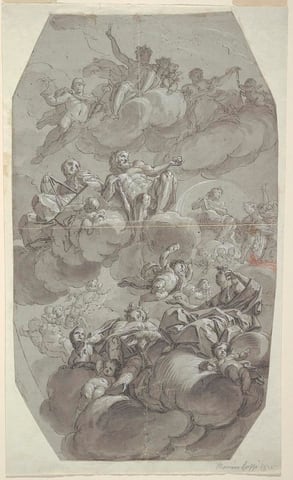
  1. STUDY FOR PAINTING, MOUNT OLYMPUS
    Study for Painting, Mount OlympusVito D'Anna, 1750–60Courtesy of Cooper Hewitt, Smithsonian Design Museum
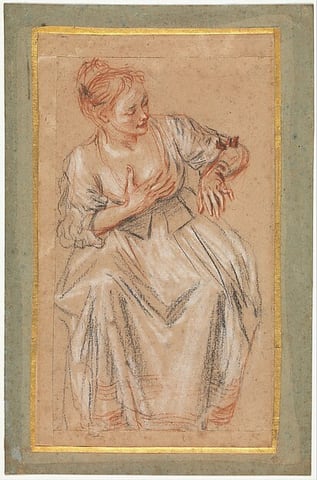
  2. Seated Woman, by Antoine Watteau, 1716–17
    Seated WomanAntoine Watteau, 1716–17Courtesy of The Metropolitan Museum of Art
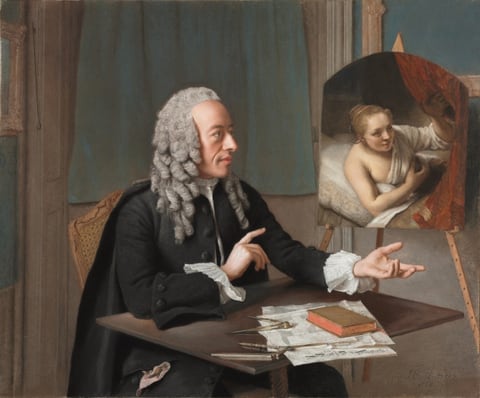
  3. François Tronchin, by Jean Etienne Liotard, 1757
    François TronchinJean Etienne Liotard, 1757Courtesy of the Cleveland Museum of Art

Section 3, north wall
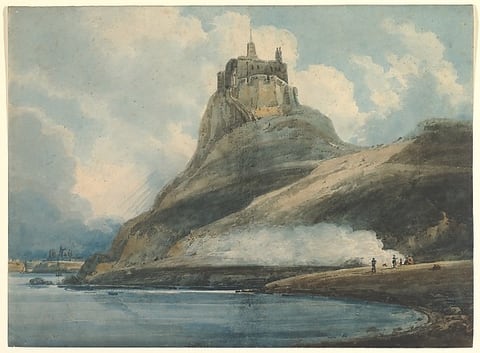
  1. Lindisfarne Castle, Holy Island, Northumberland, by Thomas Girtin, 1796–97
    Lindisfarne Castle, Holy Island, NorthumberlandThomas Girtin, 1796–97Courtesy of The Metropolitan Museum of Art
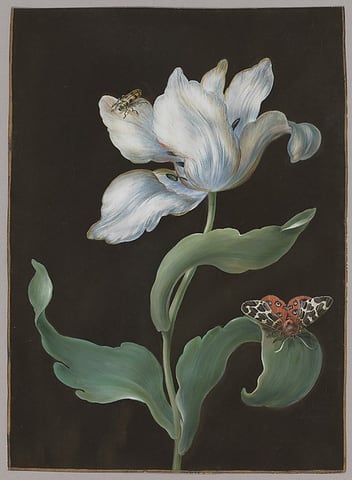
  2. A tulip, a butterfly of the species Arctia caja (garden tiger moth), and a beetle (possibly a longhorn), by Barbara Regina Dietzsch, ca. 1750-60
    A tulip, a butterfly of the species Arctia caja (garden tiger moth), and a beetle (possibly a longhorn)Barbara Regina Dietzsch, ca. 1750-60Courtesy of The Metropolitan Museum of Art

Section 3, south wall
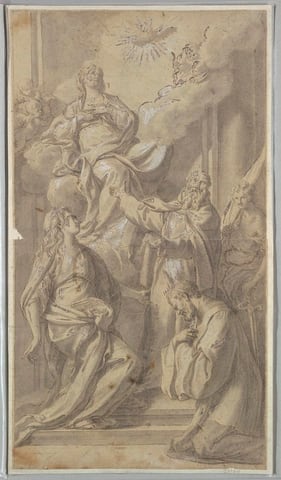
  1. MADONNA AND SAINTS
    Madonna and SaintsSebastiano Conca, ca. 1730Courtesy of Cooper Hewitt, Smithsonian Design Museum
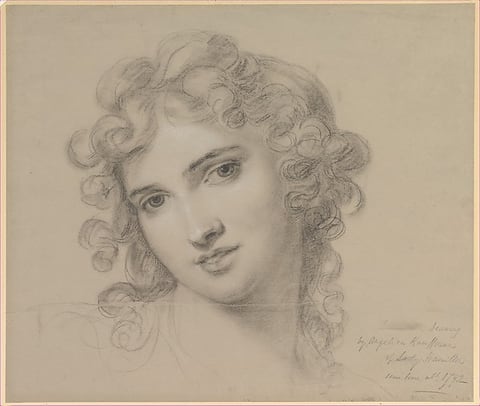
  2. Portrait of Emma Hamilton, by Angelica Kauffmann, 1791
    Portrait of Emma HamiltonAngelica Kauffmann, 1791Courtesy of The Metropolitan Museum of Art
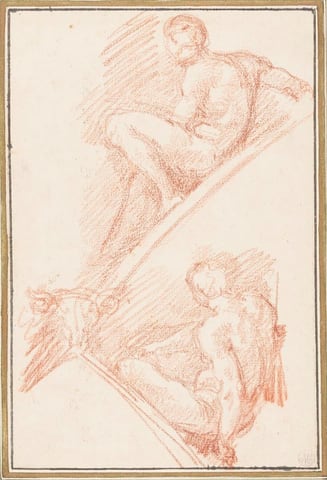
  3. FIGURES FROM SISTINE CHAPEL CEILING
    Figures from Sistine Chapel ceilingJean-Robert Ango, ca. 1759–70Courtesy of Cooper Hewitt, Smithsonian Design Museum