Neoclassicism
Works in this room
Europe turns back to Greece and Rome: clear line, calm figures and civic virtue.
First room, north wall
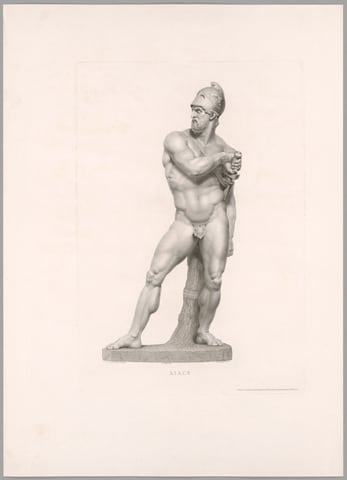
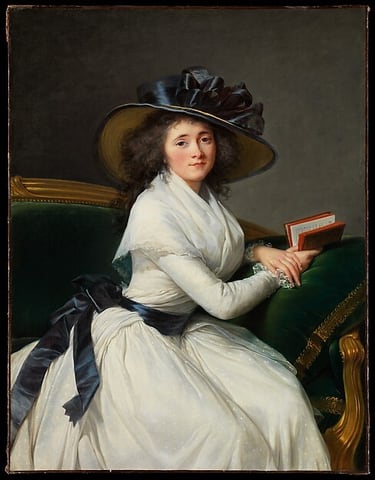
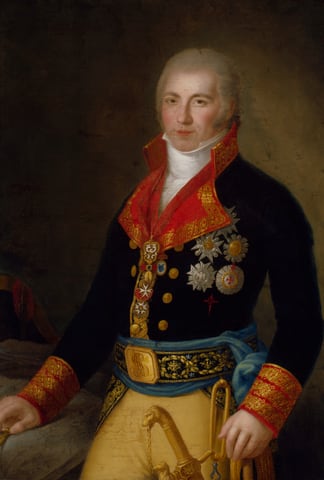
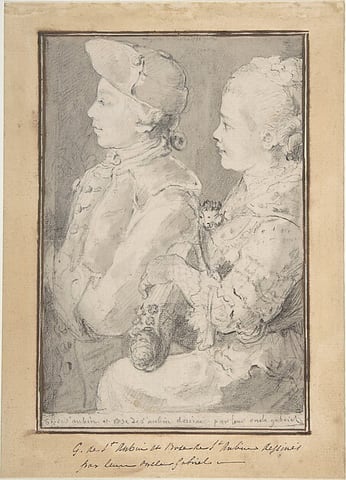
Ajax, Front View, from Oeuvre de CanovaAntonio Canova, 1817Courtesy of the Art Institute of Chicago Comtesse de la Châtre (Marie Charlotte Louise Perrette Aglaé Bontemps, 1762–1848)Elisabeth Louise Vigée Le Brun, 1789Courtesy of The Metropolitan Museum of Art Manuel GodoyAgustin Esteve y Marqués, 1800–8Courtesy of the Art Institute of Chicago Germain-Augustin and Rose de Saint-Aubin, Drawn by Their UncleGabriel de Saint-Aubin, 1766Courtesy of The Metropolitan Museum of Art
First room, south wall
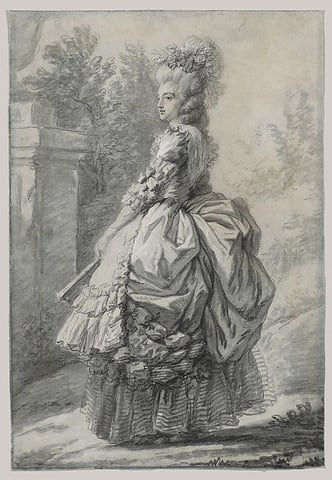
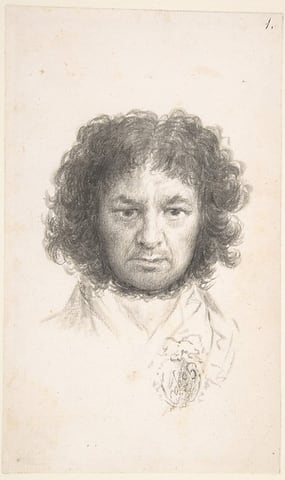
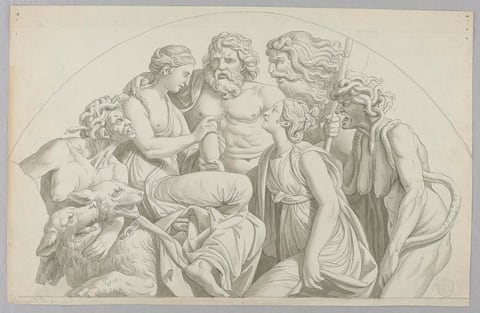
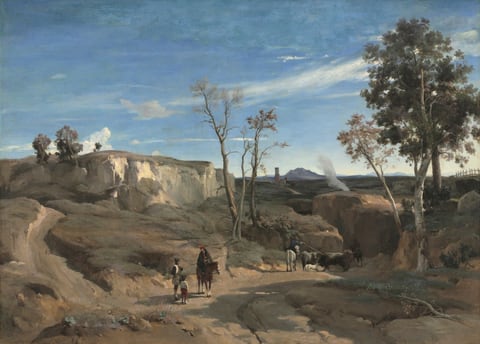
Marie Antoinette in a ParkElisabeth Louise Vigée Le Brun, ca. 1780–81Courtesy of The Metropolitan Museum of Art Self-PortraitFrancisco Goya, ca. 1796Courtesy of The Metropolitan Museum of Art Psyche Asks Proserpine to Put a Little of her Beauty in an Urn for VenusJohann August Nahl The Younger, ca. 1781Courtesy of Cooper Hewitt, Smithsonian Design Museum La Cervara, the Roman CampagnaJean Baptiste Camille Corot, c. 1830–31Courtesy of the Cleveland Museum of Art
Second room, south wall
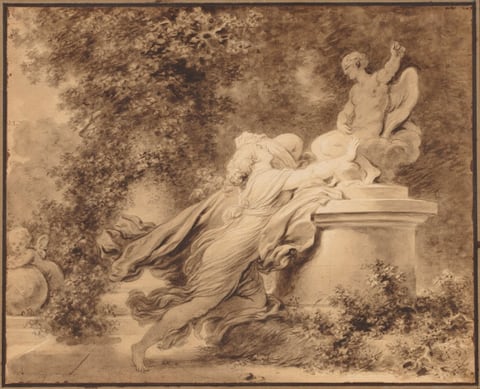
Invocation to LoveJean Honoré Fragonard, c. 1781Courtesy of the Cleveland Museum of Art 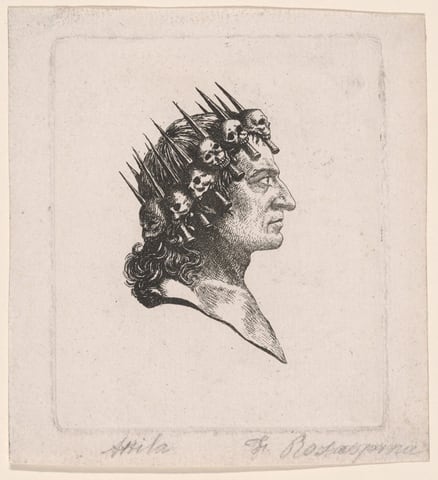
Portrait of Le Roi MaratViller, c. 1795Courtesy of the Art Institute of Chicago 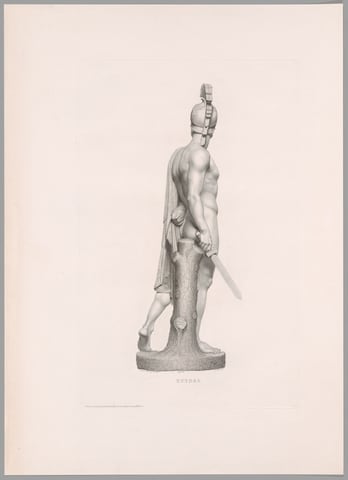
Ettore, Side View, from Oeuvre de CanovaAntonio Canova, 1817Courtesy of the Art Institute of Chicago 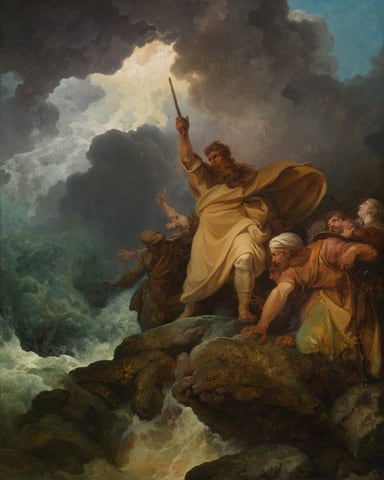
The Destruction of Pharaoh's ArmyPhilippe Jacques de Loutherbourg, II, 1792Courtesy of the Art Institute of Chicago
Second room, north wall
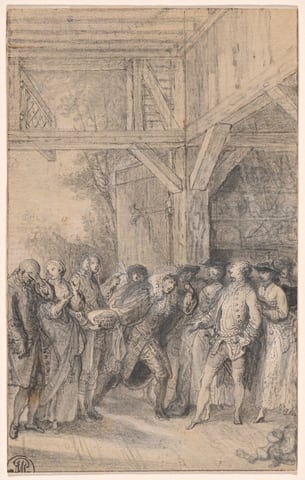
Farmer Requesting Permission to Marry a Nobleman's DaughterGabriel de Saint-Aubin, 1761Courtesy of the Art Institute of Chicago 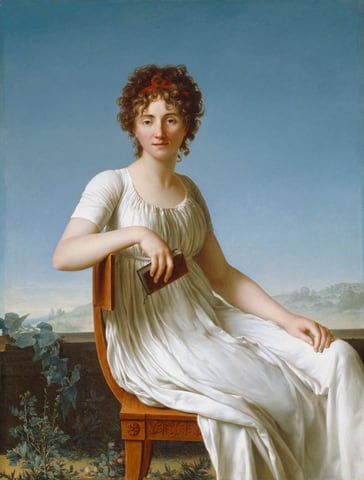
Portrait of Constance PipeletJean Baptiste François Désoria, 1797Courtesy of the Art Institute of Chicago
Third room, north wall
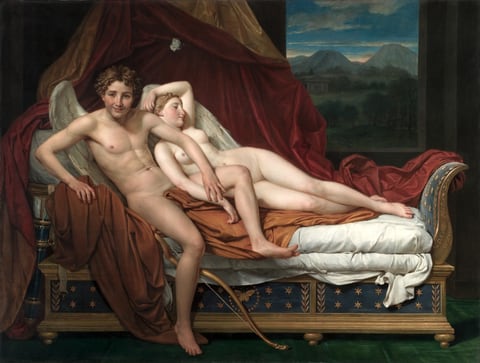
Cupid and PsycheJacques-Louis David, 1817Courtesy of the Cleveland Museum of Art 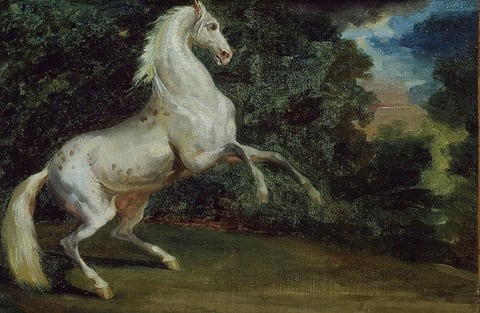
Prancing HorseFollower of Jean Louis André Théodore Géricault, 1808–12Courtesy of the Art Institute of Chicago