Neoclassicism
Europe turns back to Greece and Rome: clear line, calm figures and civic virtue.
First room, north wall
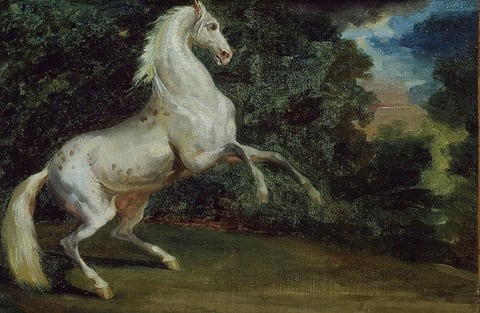
Prancing HorseFollower of Jean Louis André Théodore Géricault, 1808–12Courtesy of the Art Institute of Chicago 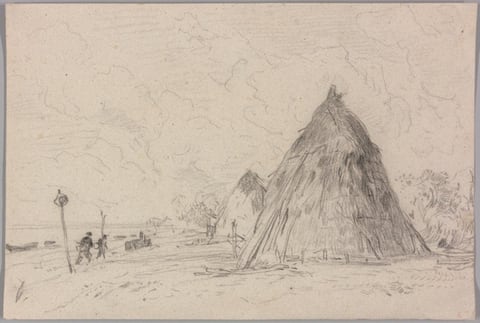
Landscape with HaystacksConstant Troyon, n.d.Courtesy of the Art Institute of Chicago 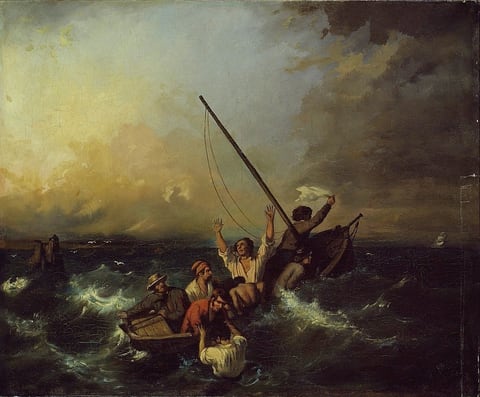
ShipwreckAfter Eugène Isabey, 19th centuryCourtesy of the Art Institute of Chicago 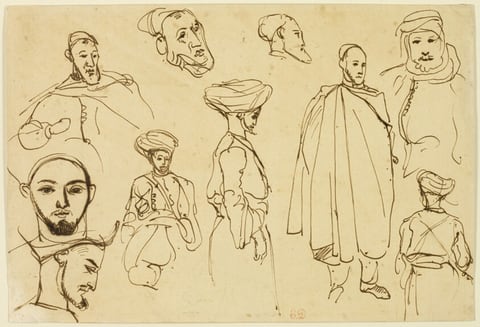
Sketches of Algerian MenEugène Delacroix, c. 1832Courtesy of the Art Institute of Chicago
First room, south wall
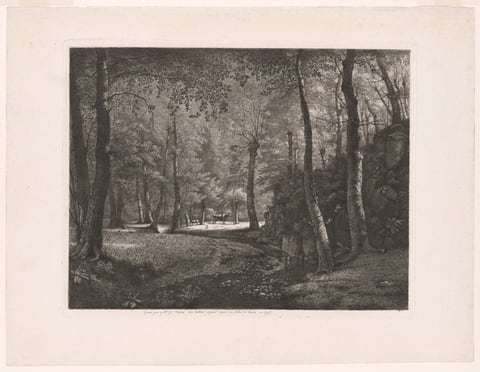
The Forest of RochecardonJean-Michel Grobon, 1800Courtesy of the Art Institute of Chicago 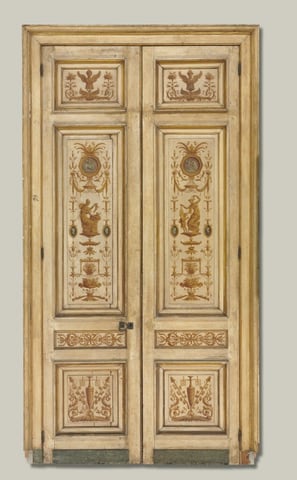
Overdoor PaintingPierre Rousseau, 1790sCourtesy of the Cleveland Museum of Art 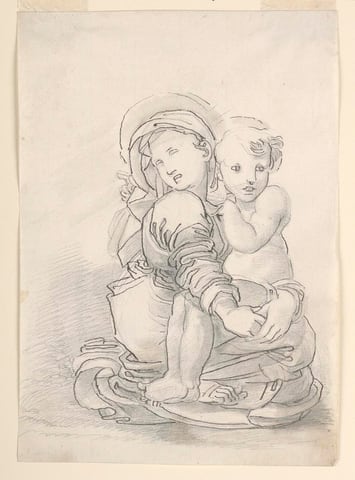
The Virgin with the ChildFortunato Duranti, 1820–1850Courtesy of Cooper Hewitt, Smithsonian Design Museum 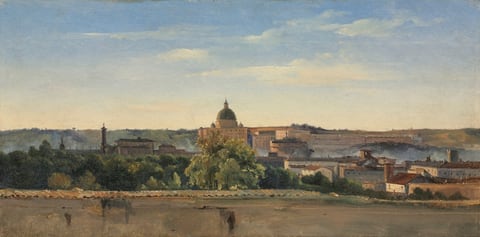
View of RomePierre Henri de Valenciennes, c. 1782–84Courtesy of the Cleveland Museum of Art
Second room, south wall
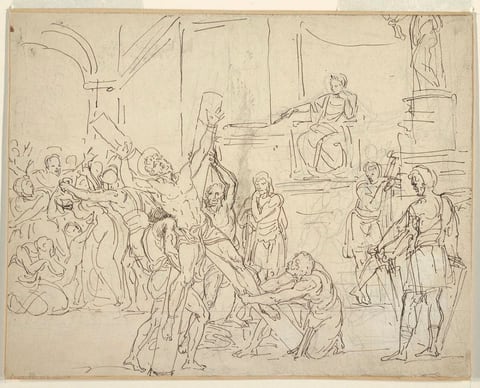
Martyrdom of St. AndrewFrancesco Coghetti, 1825–50Courtesy of Cooper Hewitt, Smithsonian Design Museum 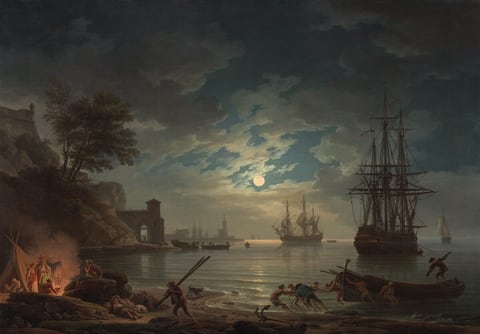
MoonlightClaude-Joseph Vernet, 1772Courtesy National Gallery of Art, Washington 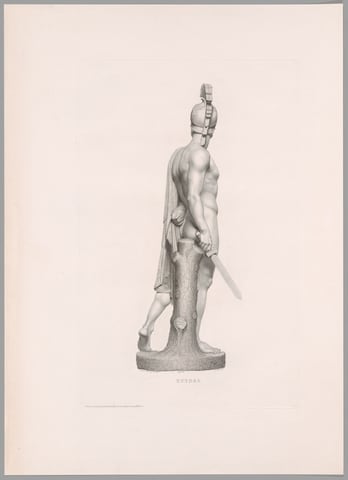
Ettore, Side View, from Oeuvre de CanovaAntonio Canova, 1817Courtesy of the Art Institute of Chicago
Second room, north wall
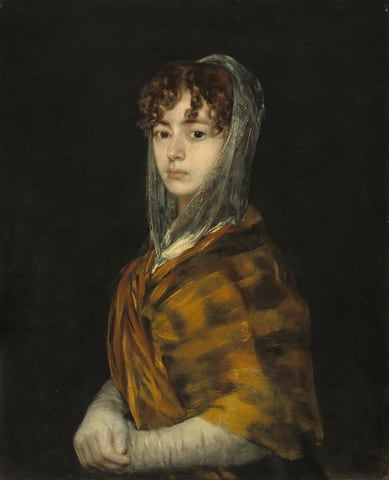
Señora Sabasa GarciaFrancisco Goya, c. 1806/1811Courtesy National Gallery of Art, Washington 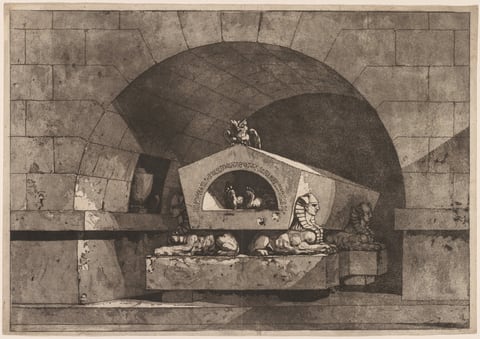
Tomb with Sphinxes and an OwlLouis Jean Desprez, c. 1779–84Courtesy of the Cleveland Museum of Art 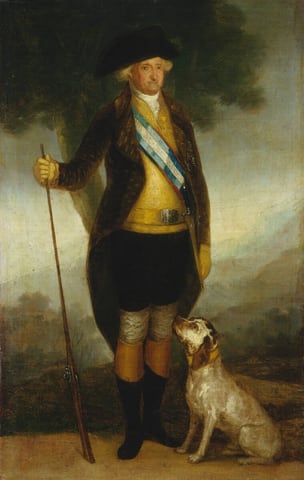
Charles IV of Spain as HuntsmanUnrecorded Spanish maker, c. 1799/1800Courtesy National Gallery of Art, Washington
Third room, north wall
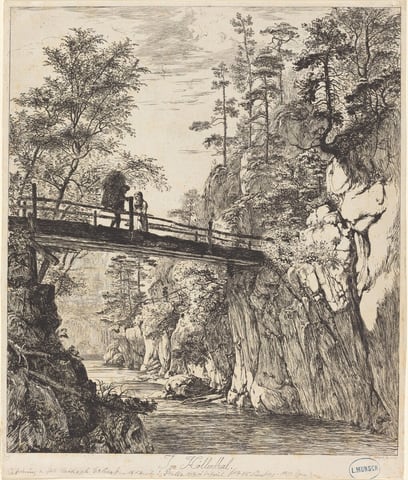
Im Höllenthal (In the Höllen Valley)Johann Christoph Erhard, 1818Courtesy National Gallery of Art, Washington 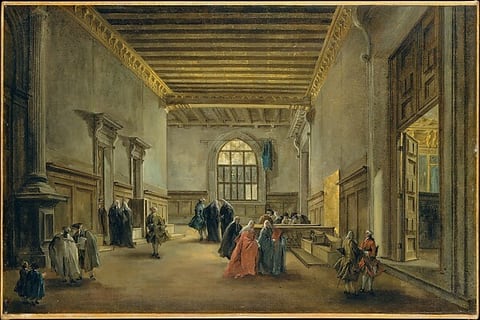
The Antechamber of the Sala del Maggior ConsiglioFrancesco Guardi, ca. 1765–68Courtesy of The Metropolitan Museum of Art