Neoclassicism

Works in this room
Europe turns back to Greece and Rome: clear line, calm figures and civic virtue.
First room, north wall
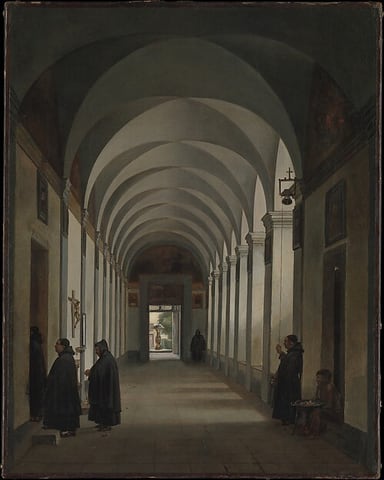
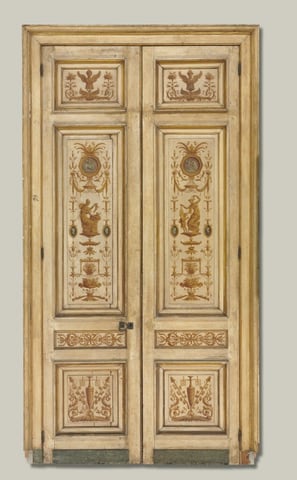
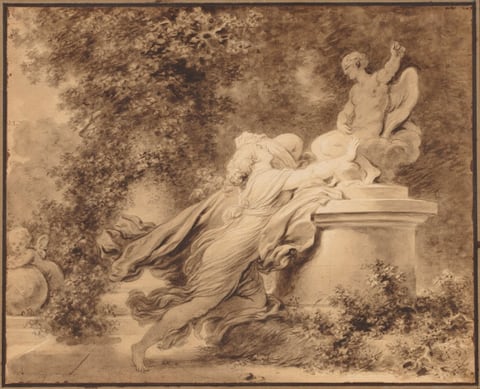
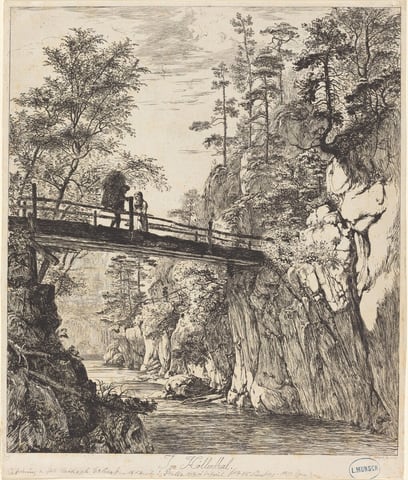
Monks in the Cloister of the Church of Gesù e Maria, RomeFrançois Marius Granet, 1808Courtesy of The Metropolitan Museum of Art Overdoor PaintingPierre Rousseau, 1790sCourtesy of the Cleveland Museum of Art Invocation to LoveJean Honoré Fragonard, c. 1781Courtesy of the Cleveland Museum of Art Im Höllenthal (In the Höllen Valley)Johann Christoph Erhard, 1818Courtesy National Gallery of Art, Washington
First room, south wall
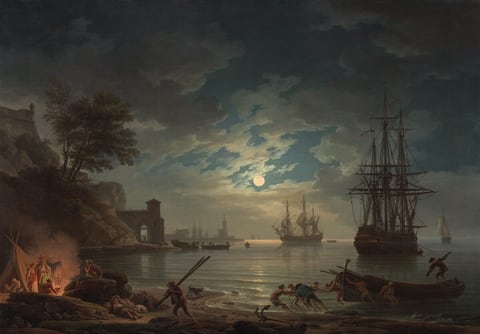
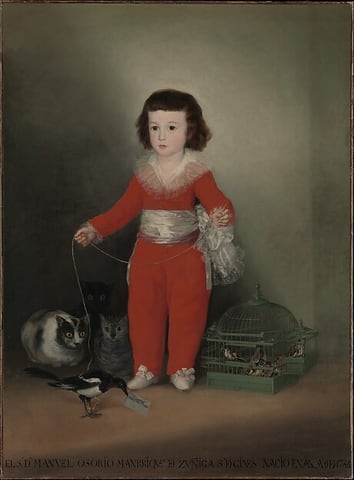
MoonlightClaude-Joseph Vernet, 1772Courtesy National Gallery of Art, Washington Manuel Osorio Manrique de Zuñiga (1784–1792)Francisco Goya, 1787–88Courtesy of The Metropolitan Museum of Art Designs for Ornamental Arabesque MotifsEtienne de Lavallée-Poussin, 1770Courtesy of Cooper Hewitt, Smithsonian Design Museum
Second room, south wall
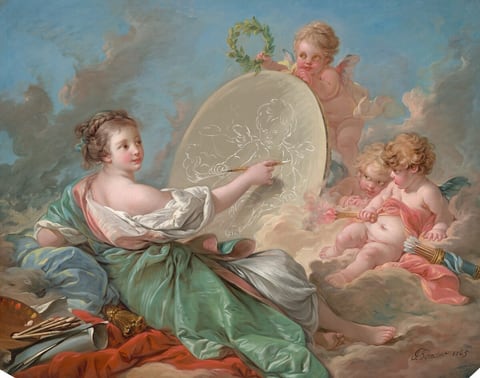
Allegory of PaintingFrançois Boucher, 1765Courtesy National Gallery of Art, Washington 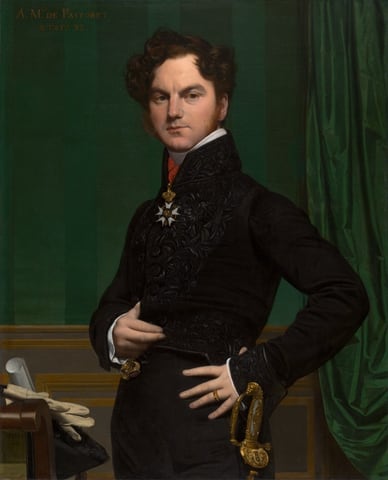
Amédée-David, the Comte de PastoretJean Auguste Dominique Ingres, 1823–26Courtesy of the Art Institute of Chicago 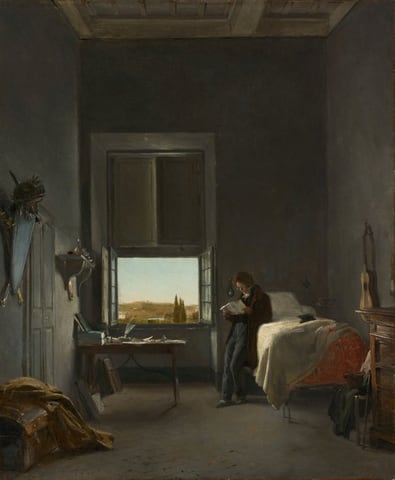
The Artist in His Room at the Villa Medici, RomeLéon Cogniet, 1817Courtesy of the Cleveland Museum of Art
Second room, north wall
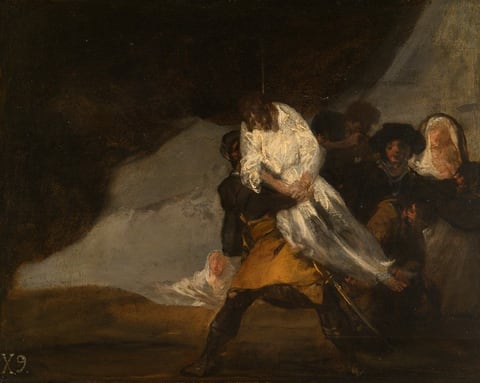
The Hanged MonkFrancisco Goya, c. 1810Courtesy of the Art Institute of Chicago 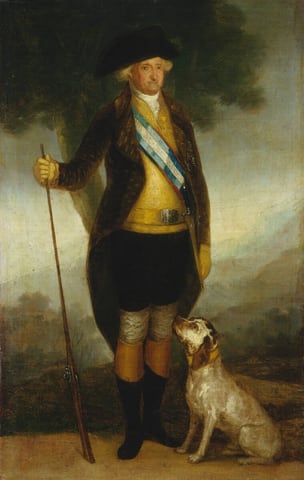
Charles IV of Spain as HuntsmanUnrecorded Spanish maker, c. 1799/1800Courtesy National Gallery of Art, Washington 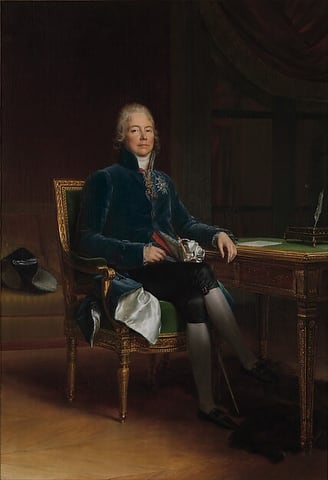
Charles Maurice de Talleyrand Périgord (1754–1838), Prince de Bénéventbaron François Gérard, 1808Courtesy of The Metropolitan Museum of Art
Third room, north wall
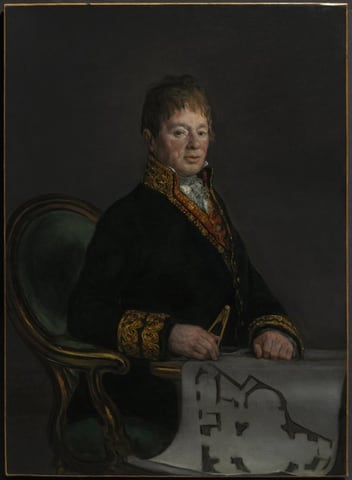
Portrait of Don Juan Antonio CuervoFrancisco Goya, 1819Courtesy of the Cleveland Museum of Art 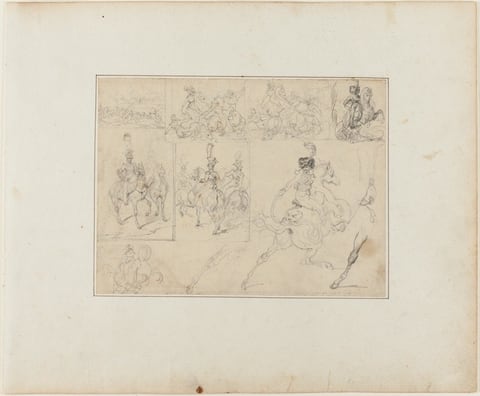
Sheet of Sketches: Cavalry Battles and Mounted SoldiersJean Louis André Théodore Géricault, 1813/14Courtesy of the Art Institute of Chicago 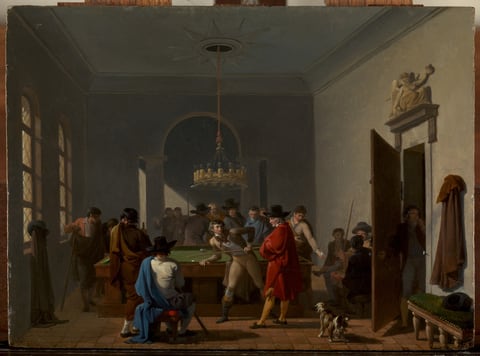
The Billiard RoomNicolas Antoine Taunay, after 1810Courtesy of The Metropolitan Museum of Art