Post-Impressionism
Artists who kept Impressionism's colour but pushed towards structure, symbol and feeling.
First room, north wall
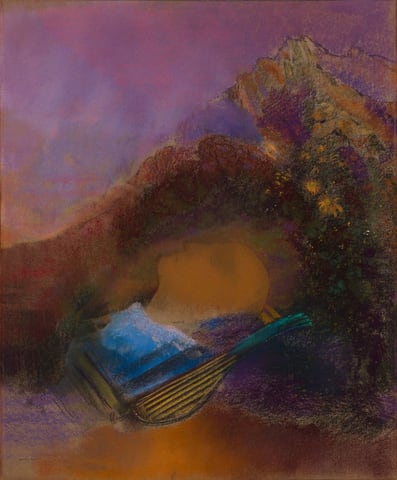
OrpheusOdilon Redon, c. 1903–10Courtesy of the Cleveland Museum of Art 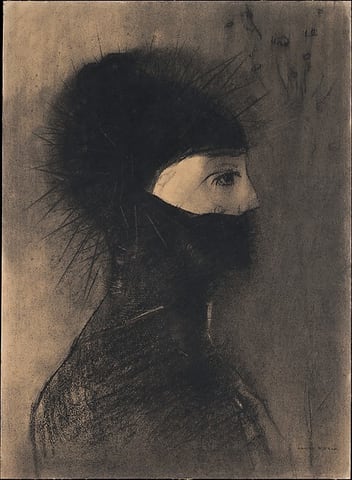
ArmorOdilon Redon, 1891Courtesy of The Metropolitan Museum of Art 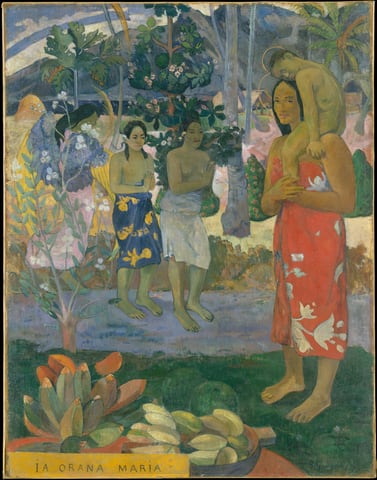
Ia Orana Maria (Hail Mary)Paul Gauguin, 1891Courtesy of The Metropolitan Museum of Art
First room, south wall
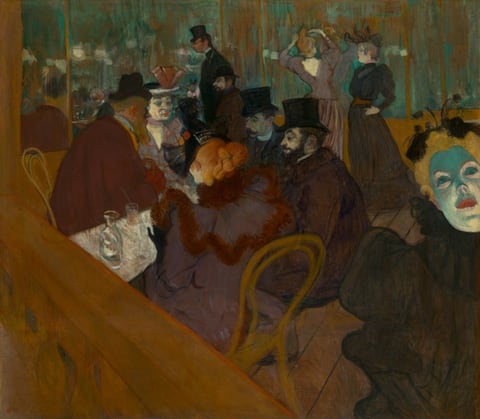
At the Moulin RougeHenri de Toulouse-Lautrec, 1892–95Courtesy of the Art Institute of Chicago 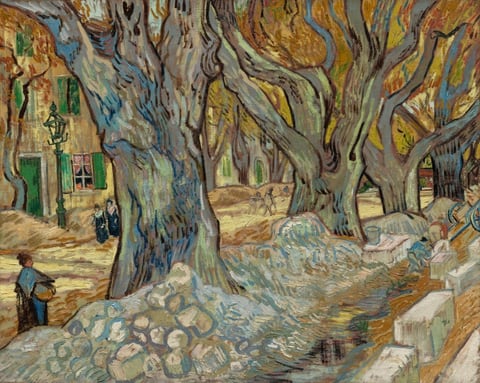
The Large Plane Trees (Road Menders at Saint-Rémy)Vincent van Gogh, 1889Courtesy of the Cleveland Museum of Art
Second room, south wall
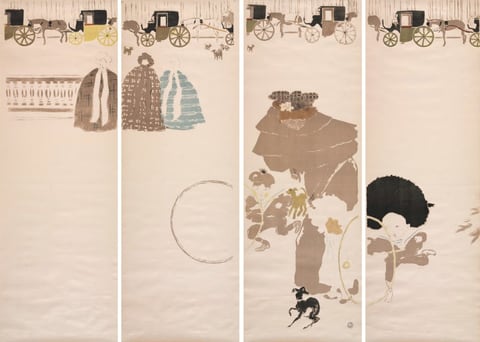
Nursemaids’ Promenade, Frieze of CarriagesPierre Bonnard, 1895Courtesy of the Cleveland Museum of Art 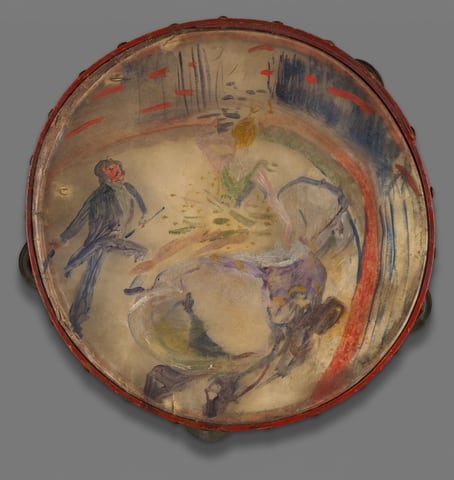
At the Circus: The Bareback Rider (Au Cirque: Écuyère)Henri de Toulouse-Lautrec, 1888Courtesy of the Art Institute of Chicago 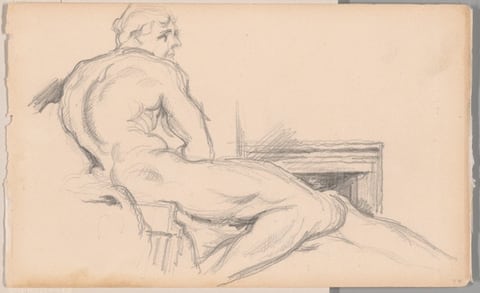
Hercules RestingPaul Cézanne, 1897Courtesy of the Art Institute of Chicago 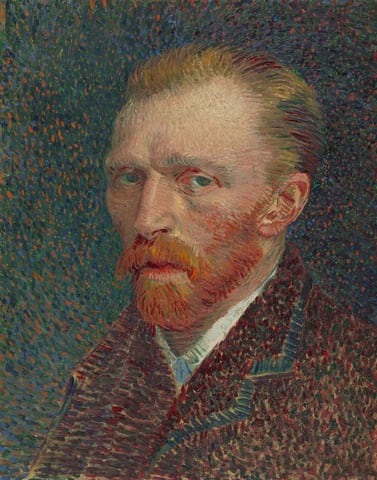
Self-PortraitVincent van Gogh, 1887Courtesy of the Art Institute of Chicago
Second room, north wall
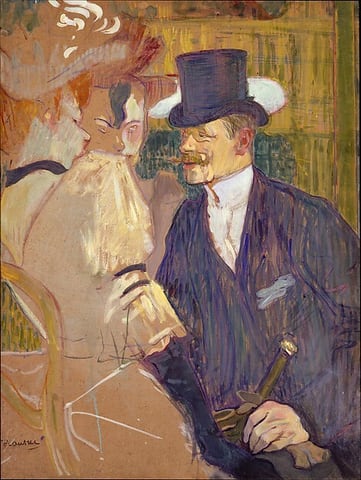
The Englishman (William Tom Warrener, 1861–1934) at the Moulin RougeHenri de Toulouse-Lautrec, 1892Courtesy of The Metropolitan Museum of Art 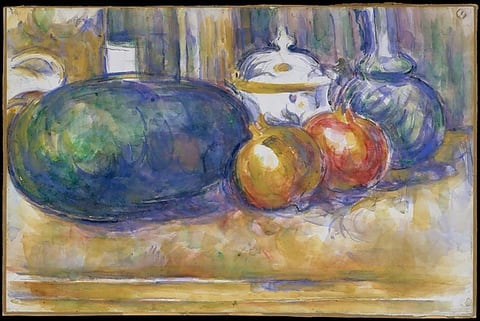
Still-Life with a Watermelon and PomegranatesPaul Cézanne, 1900–1906Courtesy of The Metropolitan Museum of Art 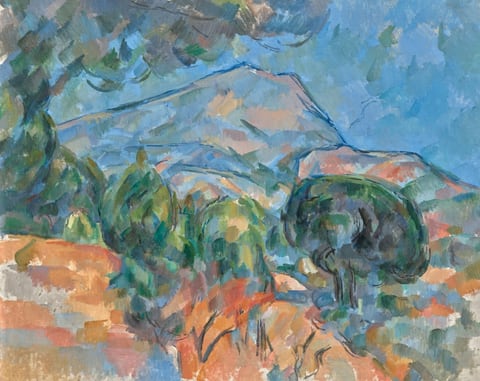
Mount Sainte-VictoirePaul Cézanne, c. 1904Courtesy of the Cleveland Museum of Art
Third room, north wall
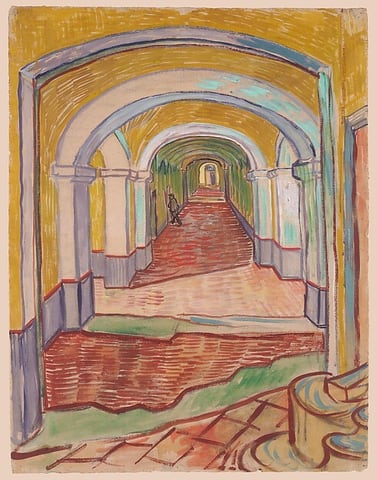
Corridor in the AsylumVincent van Gogh, September 1889Courtesy of The Metropolitan Museum of Art 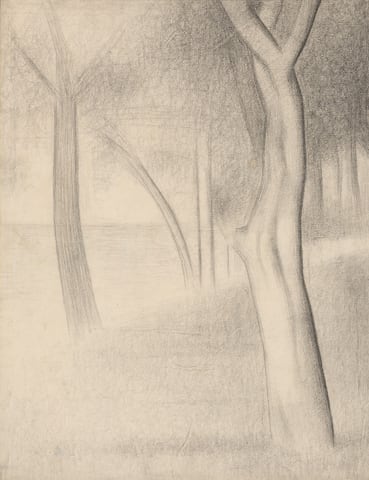
Trees (study for La Grande Jatte)Georges Seurat, 1884Courtesy of the Art Institute of Chicago
Third room, south wall
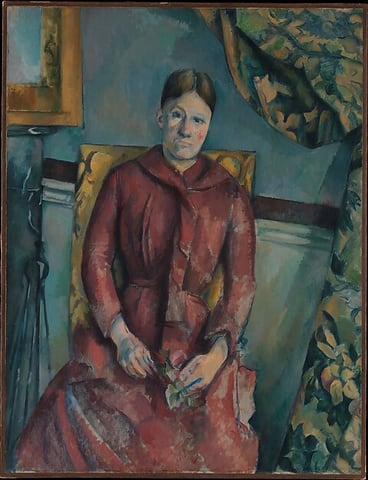
Madame Cézanne (Hortense Fiquet, 1850–1922) in a Red DressPaul Cézanne, 1888–90Courtesy of The Metropolitan Museum of Art 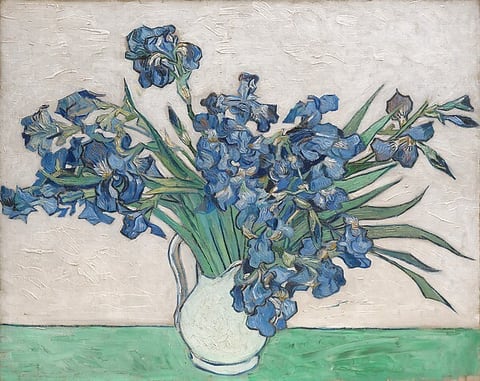
IrisesVincent van Gogh, 1890Courtesy of The Metropolitan Museum of Art