Post-Impressionism
Artists who kept Impressionism's colour but pushed towards structure, symbol and feeling.
First room, north wall
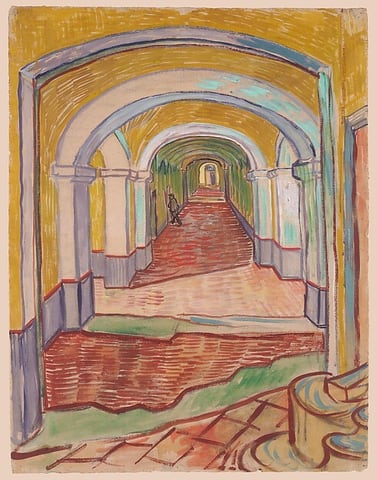
Corridor in the AsylumVincent van Gogh, September 1889Courtesy of The Metropolitan Museum of Art 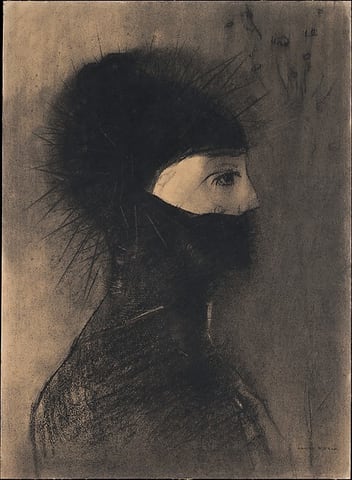
ArmorOdilon Redon, 1891Courtesy of The Metropolitan Museum of Art 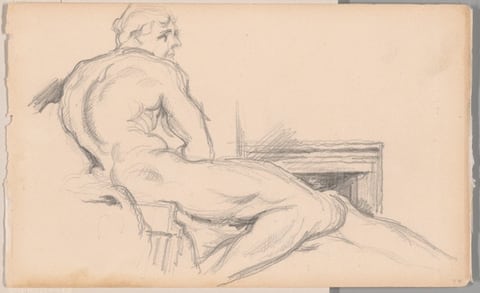
Hercules RestingPaul Cézanne, 1897Courtesy of the Art Institute of Chicago
First room, south wall
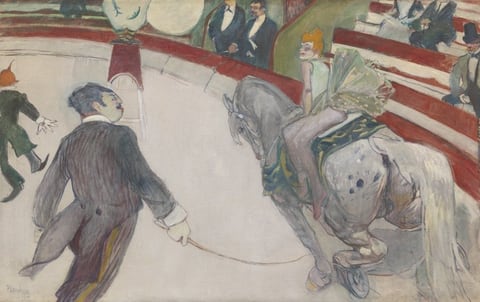
Equestrienne (At the Cirque Fernando)Henri de Toulouse-Lautrec, 1887–88Courtesy of the Art Institute of Chicago 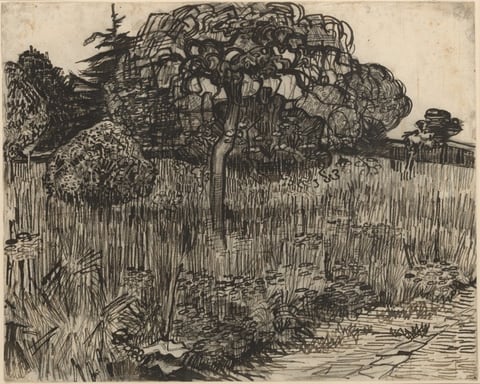
Weeping TreeVincent van Gogh, 1889Courtesy of the Art Institute of Chicago 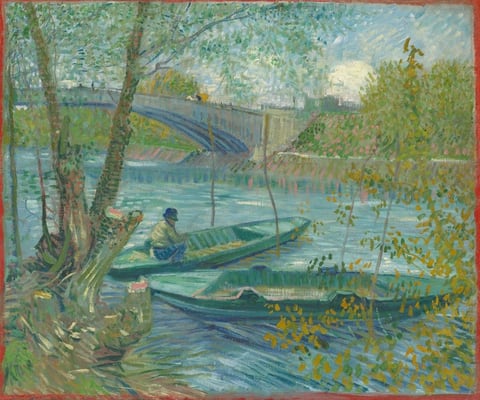
Fishing in Spring, the Pont de Clichy (Asnières)Vincent van Gogh, 1887Courtesy of the Art Institute of Chicago
Second room, south wall
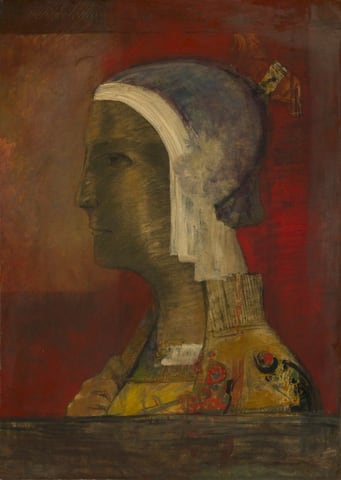
Symbolic HeadOdilon Redon, c. 1890Courtesy of the Cleveland Museum of Art 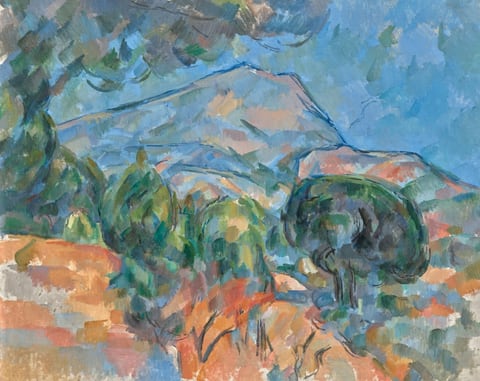
Mount Sainte-VictoirePaul Cézanne, c. 1904Courtesy of the Cleveland Museum of Art 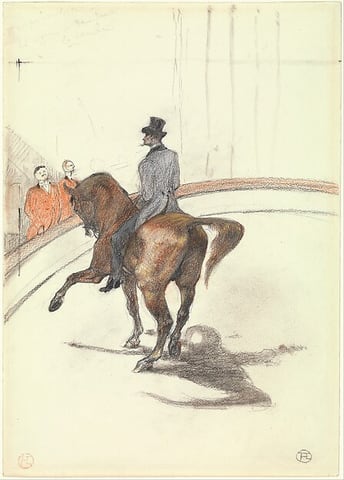
At the Circus: The Spanish Walk (Au Cirque: Le Pas espagnol)Henri de Toulouse-Lautrec, 1899Courtesy of The Metropolitan Museum of Art 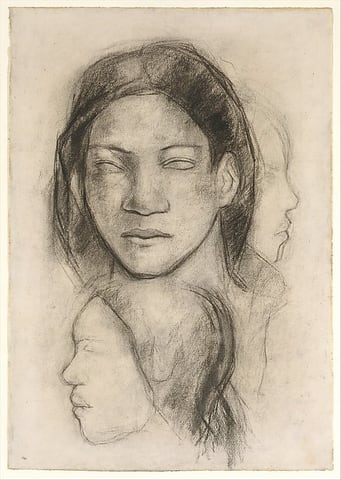
Tahitian Faces (Frontal View and Profiles)Paul Gauguin, ca. 1899Courtesy of The Metropolitan Museum of Art
Second room, north wall
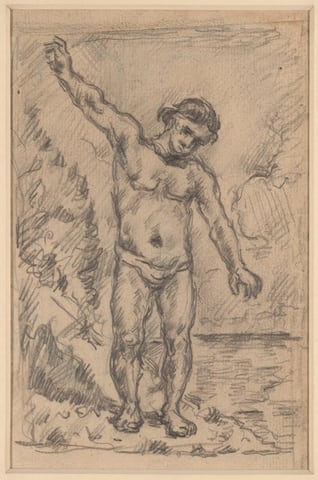
Bather With Outstretched Arms (recto); Study of a Tree (verso)Paul Cézanne, 1874/77Courtesy of the Art Institute of Chicago 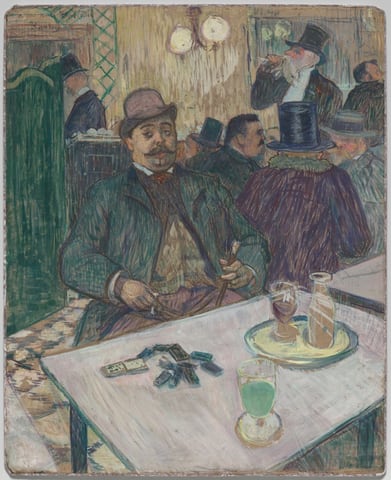
Monsieur Boileau at the CaféHenri de Toulouse-Lautrec, 1893Courtesy of the Cleveland Museum of Art 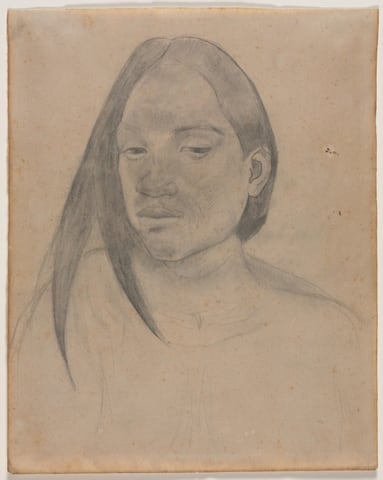
Head of a Tahitian WomanPaul Gauguin, 1891Courtesy of the Cleveland Museum of Art 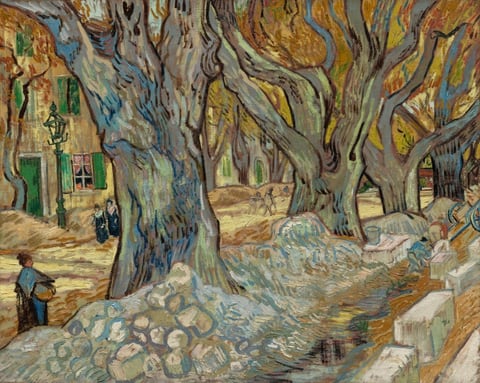
The Large Plane Trees (Road Menders at Saint-Rémy)Vincent van Gogh, 1889Courtesy of the Cleveland Museum of Art
Third room, north wall
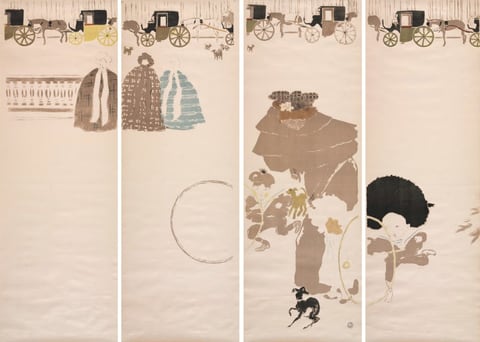
Nursemaids’ Promenade, Frieze of CarriagesPierre Bonnard, 1895Courtesy of the Cleveland Museum of Art 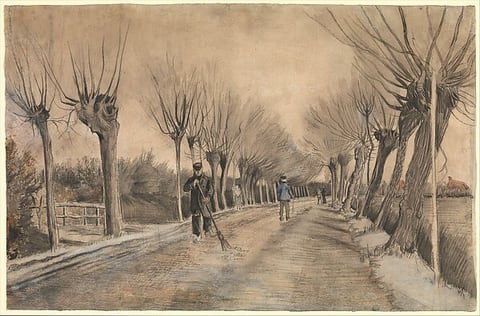
Road in EttenVincent van Gogh, 1881Courtesy of The Metropolitan Museum of Art