Floor plan

Style galleriesPrints of the 18th century
Prints of the 18th century
A work made of color woodblock print; chuban.
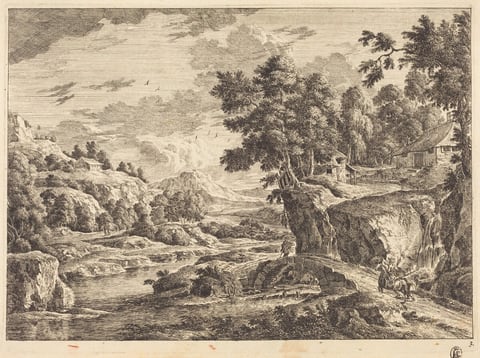
A work made of etching on ivory laid paper.
The image shows a landscape scene with an elevated perspective. The horizon is placed low, emphasizing the sky with swirling clouds and scattered birds. A river winds through a valley with a stone bridge. A rocky outcrop with trees and a small building are on the right. In the distance, hills lead to mountains. The style uses intricate cross-hatching for texture and depth. The color palette is monochrome with varying shades of sepia.
A work made of color woodblock print; oban.
A work made of color woodblock print; chuban.

The works in this room are listed below.

Works in this room

Prints made in the 18th century, from every museum.

Section 1, north wall

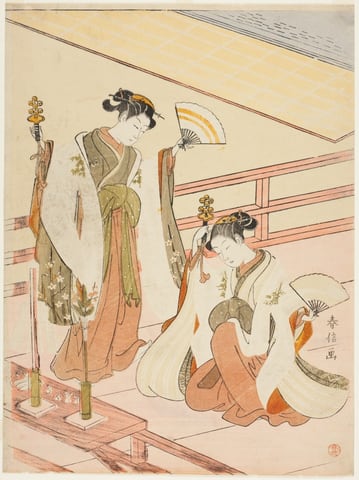
  1. A work made of color woodblock print; chuban.
    The Dance of the Shrine Maidens Ohatsu and OnamiSuzuki Harunobu, c. 1769Courtesy of the Art Institute of Chicago
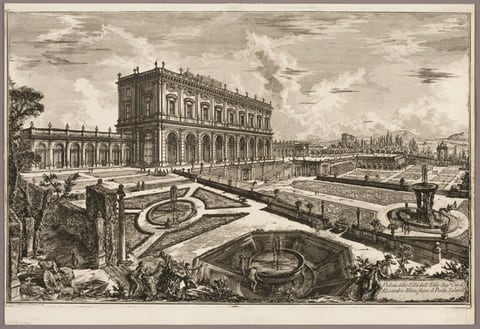
  2. A work made of etching on ivory laid paper.
    View of the Villa of His Eminence Cardinal Alessandro Albani, outside Porta Salaria, from Views of RomeGiovanni Battista Piranesi, 1769, published 1800–07Courtesy of the Art Institute of Chicago

Section 1, south wall

  1. The image shows a landscape scene with an elevated perspective. The horizon is placed low, emphasizing the sky with swirling clouds and scattered birds. A river winds through a valley with a stone bridge. A rocky outcrop with trees and a small building are on the right. In the distance, hills lead to mountains. The style uses intricate cross-hatching for texture and depth. The color palette is monochrome with varying shades of sepia.
    Landscape with a Bridge and Three Farm BuildingsGeorg EisenmannCourtesy National Gallery of Art, Washington
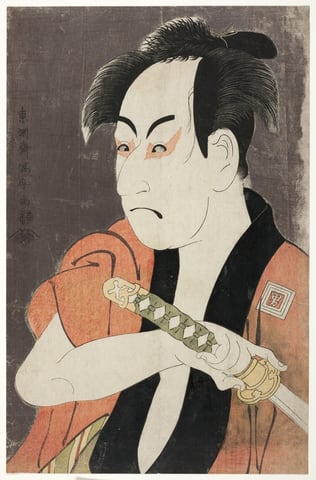
  2. A work made of color woodblock print; oban.
    The actor Ichikawa Omezo as the manservant IppeiTōshūsai Sharaku, 1794Courtesy of the Art Institute of Chicago
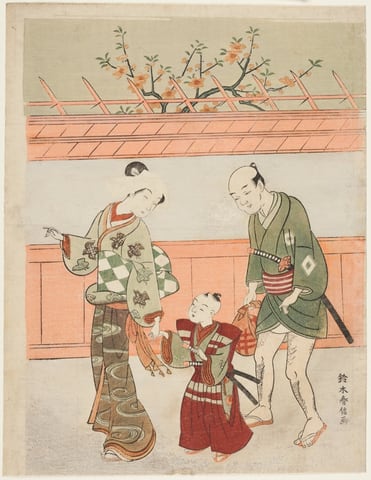
  3. A work made of color woodblock print; chuban.
    A Spring OutingSuzuki Harunobu, c. 1768Courtesy of the Art Institute of Chicago

Section 2, south wall
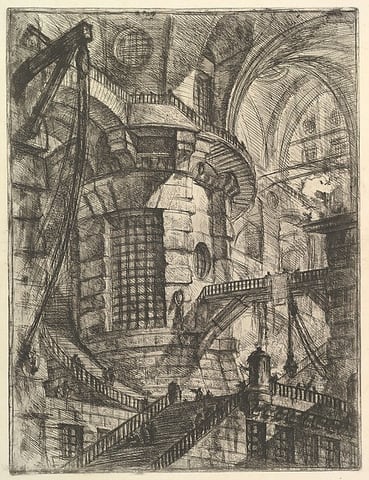
  1. The Round Tower, from "Carceri d'invenzione" (Imaginary Prisons), by Giovanni Battista Piranesi, ca. 1749–50
    The Round Tower, from "Carceri d'invenzione" (Imaginary Prisons)Giovanni Battista Piranesi, ca. 1749–50Courtesy of The Metropolitan Museum of Art
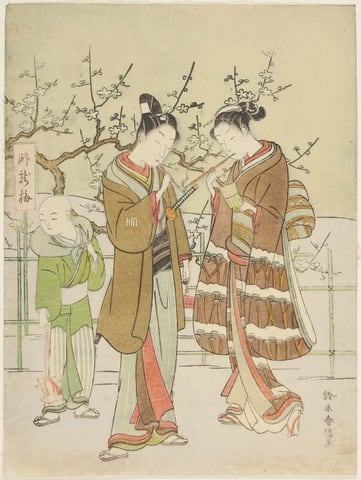
  2. A work made of color woodblock print; chuban.
    Giving a Light by the Garyubai Plum TreeSuzuki Harunobu, c. 1767/68Courtesy of the Art Institute of Chicago
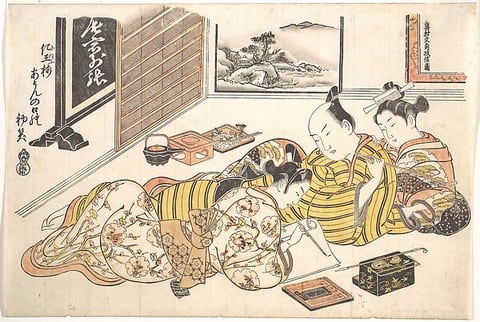
  3. Plate from the Erotic Book Mounds of Dyed Colors: A Pattern Book for the Boudoir (Someiro no yama neya no hinagata), First Month, by Okumura Masanobu, ca. 1736–44
    Plate from the Erotic Book Mounds of Dyed Colors: A Pattern Book for the Boudoir (Someiro no yama neya no hinagata), First MonthOkumura Masanobu, ca. 1736–44Courtesy of The Metropolitan Museum of Art

Section 2, north wall
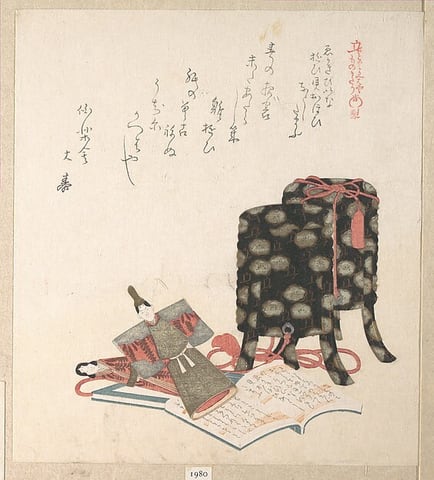
  1. The Doll Festival, Third Day of the Third Month, by Kubo Shunman, 19th century
    The Doll Festival, Third Day of the Third MonthKubo Shunman, 19th centuryCourtesy of The Metropolitan Museum of Art
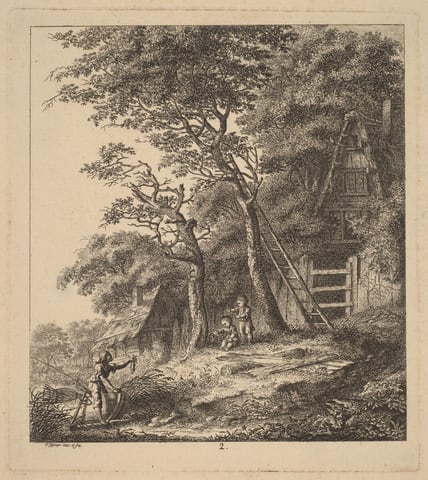
  2. The image shows a rustic scene with a house, trees, and a figure washing near a stream. Two children stand in the middle distance next to a ladder. In the background are two thatched houses among trees. The drawing style is detailed with fine lines and cross-hatching, creating texture. The color palette is monochromatic in shades of black and gray, emphasizing light and shadow.
    A Fisherman and Two Children in a Landscape with Thatched CottagesSalomon Gessner, 1764Courtesy National Gallery of Art, Washington
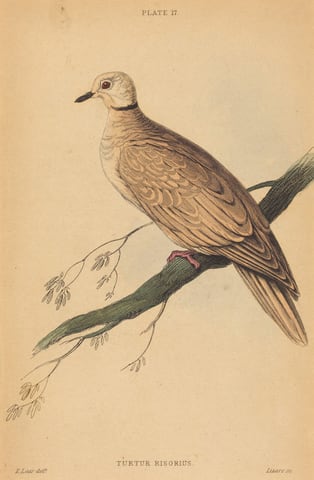
  3. This is a drawing of a bird perched on a branch. The bird is detailed and identified as "Turtur Risorius." It rests on a green textured branch against a plain background. The bird has a black ring around its neck, soft brown plumage with intricate feather patterns, and light pink legs. Its eye is prominent and outlined within its head design. The branch is minimalist with small buds and thin twigs.
    Turtur RisoriusWilliam Home LizarsCourtesy National Gallery of Art, Washington

Section 3, north wall
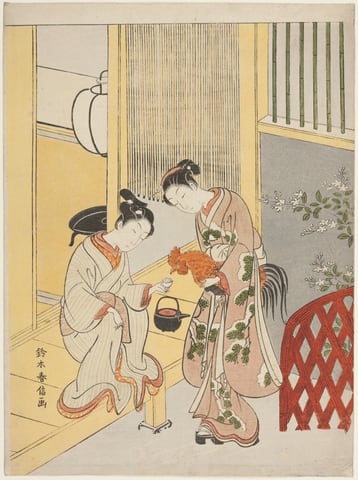
  1. A work made of color woodblock print; chuban.
    Delaying the announcement of dawnSuzuki Harunobu, c. 1767/68Courtesy of the Art Institute of Chicago
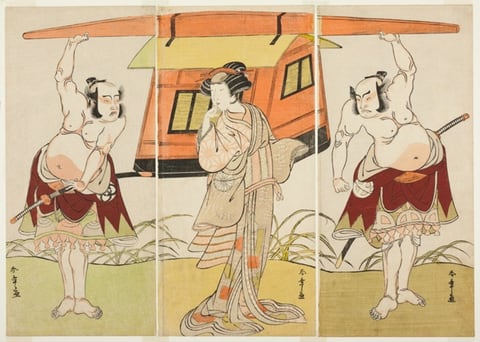
  2. A work made of color woodblock print; hosoban; triptych.
    The Actors Otani Hiroji III as Yokambei (right), Nakamura Tomijuro I as Kuzunoha (center), and Bando Mitsugoro I as Yakambei (left), in the Last Scene from the Play Shinodazuma (The Wife from Shinoda Forest), Performed as a Supplement to the Play Kikyo-zome Onna Urakata (Female Diviner in Deep Violet), at the Morita Theater from the Ninth Day of the Ninth Month, 1776Katsukawa Shunshō, c. 1776Courtesy of the Art Institute of Chicago
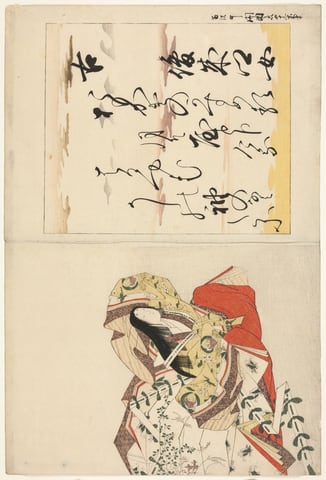
  3. A work made of page from a color woodblock-printed volume.
    The Poetess Shunzei no Musume, from the series The Thirty-six Immortal Women Poets (Nishikizuri onna sanjurokkasen)Chôbunsai Eishi, Edo period (1615–1868), 1801Courtesy of the Art Institute of Chicago

Section 3, south wall
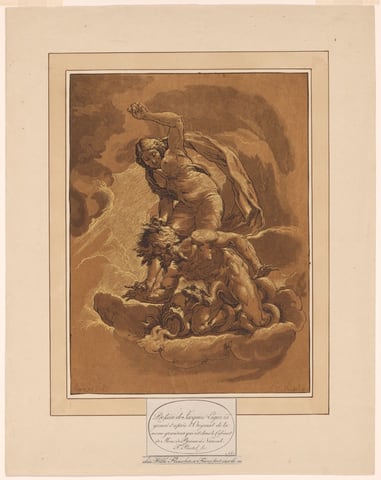
  1. A work made of etching and aquatint, from three plates, in brown and black, with metallic gold, on ivory laid paper.
    The Triumph of Truth over EnvyMaria Katharina Prestel, 1781Courtesy of the Art Institute of Chicago
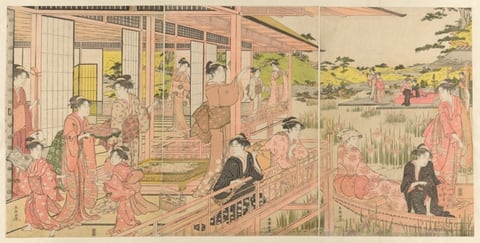
  2. A work made of color woodblock print; oban triptych.
    Iris GardenKatsukawa Shunchô, c. 1781/89Courtesy of the Art Institute of Chicago