Floor plan

Style galleriesPrints of the 18th century
Prints of the 18th century
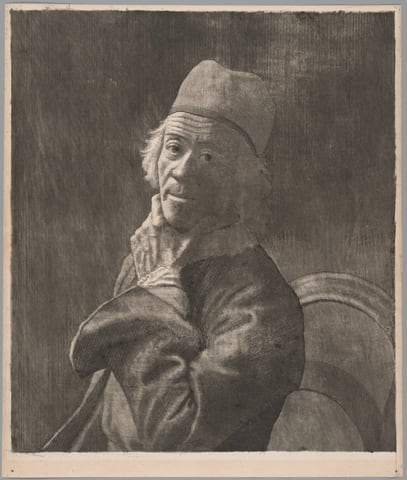
A work made of etching, roulette, and mezzotint in black on cream laid paper.
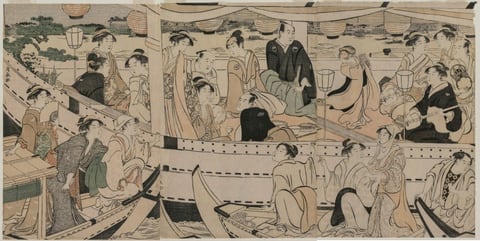
Boating Party on the Sumida River, by Torii Kiyonaga, 1789
A work made of color woodblock print; oban triptych.
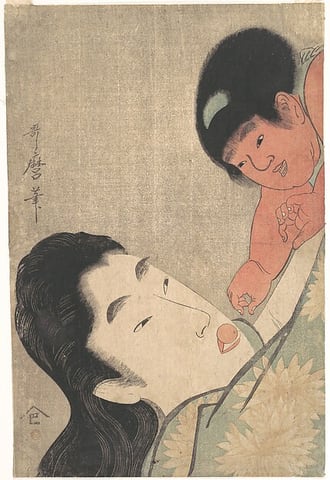
Yamauba and Kintarō Playing with a Cherry, by Kitagawa Utamaro, ca. 1795
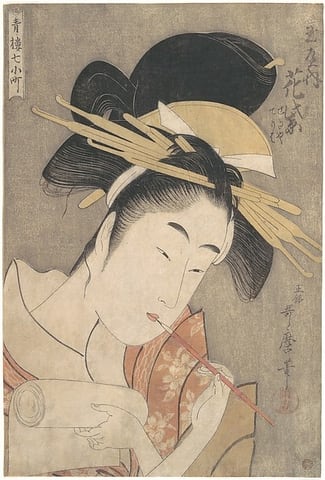
“Hanamurasaki of the Tamaya,” from the series Seven Komachi of the Pleasure Quarters (Seirō Nana Komachi), by Kitagawa Utamaro, ca. 1790

The works in this room are listed below.

Works in this room

Prints made in the 18th century, from every museum.

Section 1, north wall

  1. A work made of etching, roulette, and mezzotint in black on cream laid paper.
    The Large Self-PortraitJean Etienne Liotard, 1778/81Courtesy of the Art Institute of Chicago
  2. Boating Party on the Sumida River, by Torii Kiyonaga, 1789
    Boating Party on the Sumida RiverTorii Kiyonaga, 1789Courtesy of the Cleveland Museum of Art

Section 1, south wall

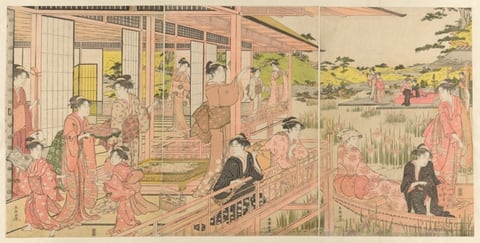
  1. A work made of color woodblock print; oban triptych.
    Iris GardenKatsukawa Shunchô, c. 1781/89Courtesy of the Art Institute of Chicago
  2. Yamauba and Kintarō Playing with a Cherry, by Kitagawa Utamaro, ca. 1795
    Yamauba and Kintarō Playing with a CherryKitagawa Utamaro, ca. 1795Courtesy of The Metropolitan Museum of Art
  3. “Hanamurasaki of the Tamaya,” from the series Seven Komachi of the Pleasure Quarters (Seirō Nana Komachi), by Kitagawa Utamaro, ca. 1790
    “Hanamurasaki of the Tamaya,” from the series Seven Komachi of the Pleasure Quarters (Seirō Nana Komachi)Kitagawa Utamaro, ca. 1790Courtesy of The Metropolitan Museum of Art

Section 2, south wall
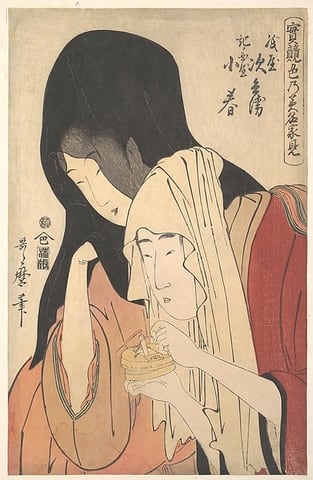
  1. Jihei of Kamiya Eloping with the Geisha Koharu of Kinokuniya, from the series “True Feelings Compared: The Founts of Love” (Jitsu kurabe iro no Minakami), by Kitagawa Utamaro, ca. 1798–99
    Jihei of Kamiya Eloping with the Geisha Koharu of Kinokuniya, from the series “True Feelings Compared: The Founts of Love” (Jitsu kurabe iro no Minakami)Kitagawa Utamaro, ca. 1798–99Courtesy of The Metropolitan Museum of Art
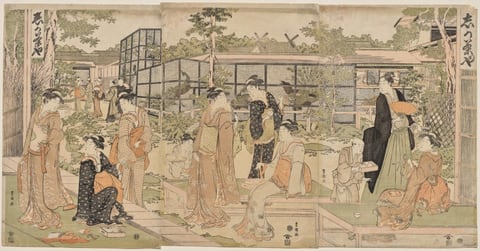
  2. The Shika Teahouse, by Utagawa Toyokuni, early 1790s
    The Shika TeahouseUtagawa Toyokuni, early 1790sCourtesy of the Cleveland Museum of Art

Section 2, north wall
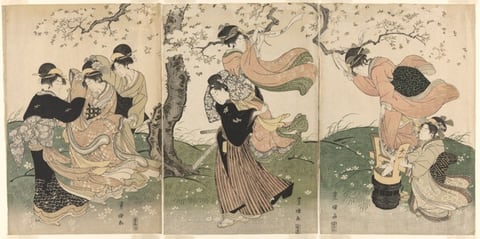
  1. A work made of color woodblock prints; oban triptych.
    A Windy Day under the Cherry TreesUtagawa Toyokuni, c. 1797Courtesy of the Art Institute of Chicago
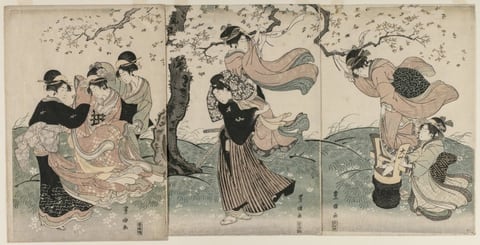
  2. Cherry Blossoms in the Wind, by Utagawa Toyokuni, late 1790s
    Cherry Blossoms in the WindUtagawa Toyokuni, late 1790sCourtesy of the Cleveland Museum of Art

Section 3, north wall
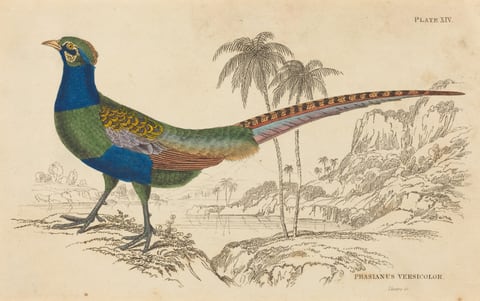
  1. The image shows a pheasant with vivid green and blue plumage and intricate golden patterns on its wings. The bird has long, patterned tail feathers extended to the right. The background includes palm trees, rocky outcrops, and distant hills.
    Phasianus VersicolorWilliam Home LizarsCourtesy National Gallery of Art, Washington
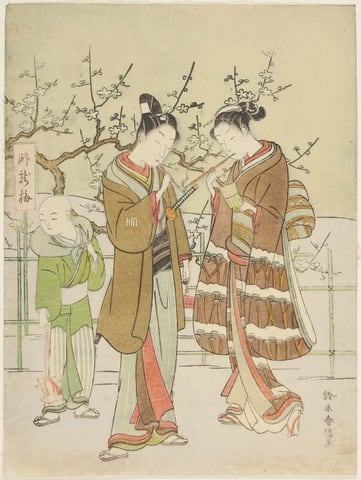
  2. A work made of color woodblock print; chuban.
    Giving a Light by the Garyubai Plum TreeSuzuki Harunobu, c. 1767/68Courtesy of the Art Institute of Chicago
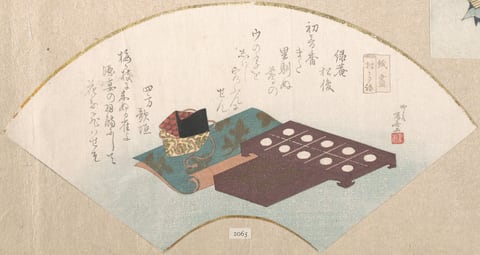
  3. Outfit for the Game of Incense, by Ryūryūkyo Shinsai, 19th century
    Outfit for the Game of IncenseRyūryūkyo Shinsai, 19th centuryCourtesy of The Metropolitan Museum of Art

Section 3, south wall
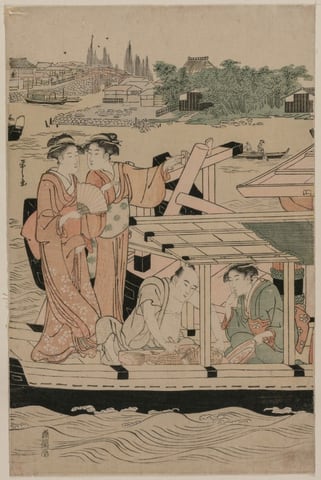
  1. Leftmost Print from Pleasure Boats on the Sumida River beneath Shin-Ōhashi Bridge, by Chôbunsai Eishi, c. 1792
    Leftmost Print from Pleasure Boats on the Sumida River beneath Shin-Ōhashi BridgeChôbunsai Eishi, c. 1792Courtesy of the Cleveland Museum of Art
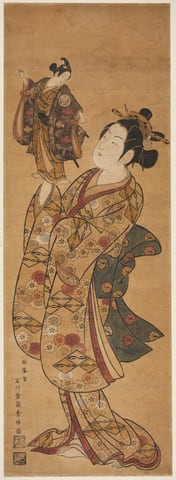
  2. A work made of hand-colored woodblock print; vertical oban diptych, sumizuri-e.
    The Actor Onoe Kikugoro I holding a puppet of the Actor Sanogawa Ichimatsu IIshikawa Toyonobu, c. 1740sCourtesy of the Art Institute of Chicago

Section 4, south wall
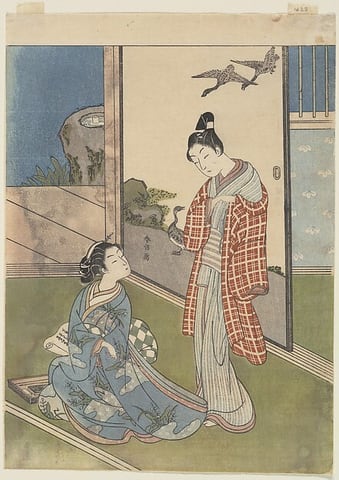
  1. A Girl Writing a Letter, by Suzuki Harunobu, 18th century
    A Girl Writing a LetterSuzuki Harunobu, 18th centuryCourtesy of The Metropolitan Museum of Art

  2. The image shows three figures. Two of them are embracing in the foreground, kneeling on the ground and facing each other in a kiss. The person on the left has curly hair and appears to be wearing a coat-like garment, while the person on the right has long hair tied back and is dressed in a long robe. The third figure emerges from the bushes in the background, with shoulder-length hair, wearing a dress with a sash and a light shawl or scarf over their head. The setting includes tall trees, shrubs, and a structure with columns and arches on the right side, suggesting a garden or courtyard. Rolling hills and cloudy skies are in the distant background.
    The Fortunate RescueDaniel Nikolaus Chodowiecki, 1791Courtesy National Gallery of Art, Washington