Floor plan

Style galleriesPrints of the 18th century
Prints of the 18th century
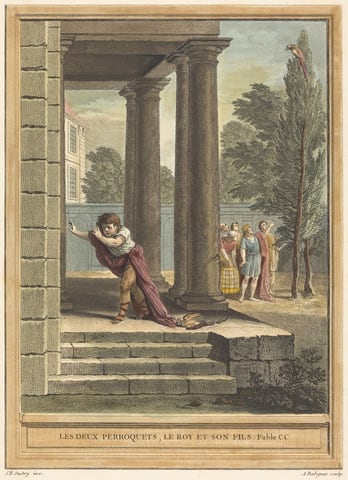
This painting depicts a classical architectural scene with a bird and multiple individuals. It is done in the style of Jean-Baptiste Oudry. The image includes a large building with stone columns and stairs. A parrot is perched on a tree, catching attention with its colorful feathers. In the foreground, a person in classical clothing appears to be in motion. In the background, a group of people are gathered with varied expressions and gestures directed towards the person in the foreground. The architectural elements and foliage add depth and context to the scene.
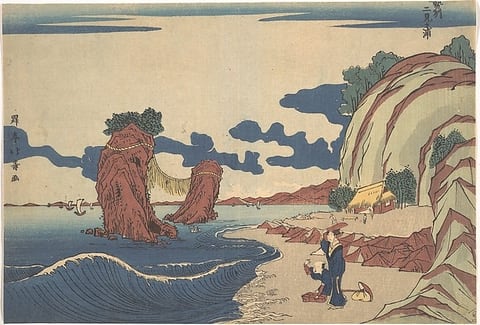
View of Futami Beach at Ise, by Shōtei Hokuju, ca. 1810–1820
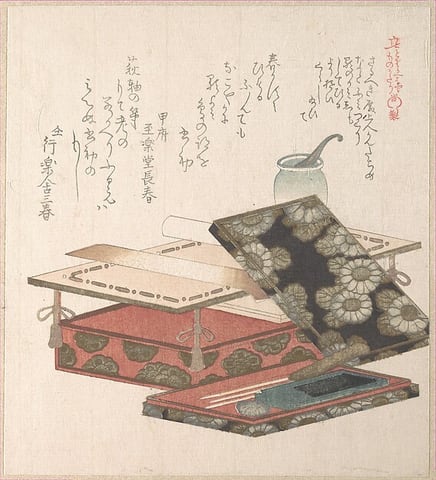
Table and Writing Set, by Kubo Shunman, 19th century
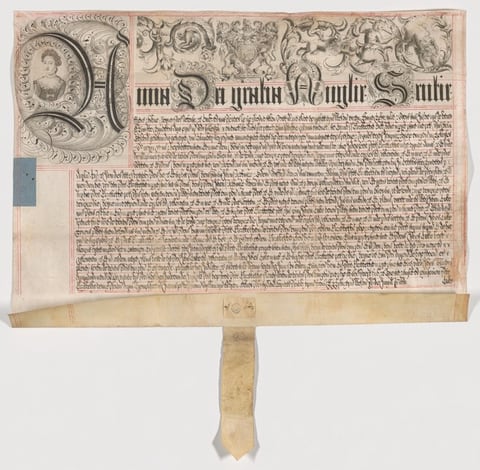
A work made of engraved letterhead, pen and ink calligraphy, and graphite ruling on parchment, folded with strap and (missing) seal.
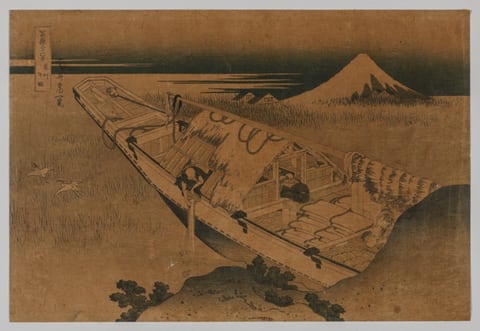
Fuji from Ushibori, Province of Hitachi, by Katsushika Hokusai, 1760–1849
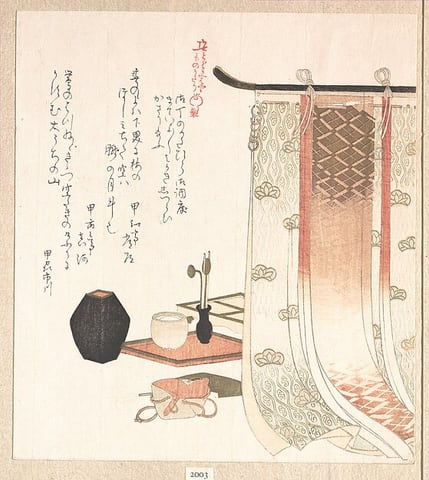
Screen and Utensils for the Incense Ceremony, by Kubo Shunman, 19th century

The works in this room are listed below.

Works in this room

Prints made in the 18th century, from every museum.

Section 1, north wall

  1. This painting depicts a classical architectural scene with a bird and multiple individuals. It is done in the style of Jean-Baptiste Oudry. The image includes a large building with stone columns and stairs. A parrot is perched on a tree, catching attention with its colorful feathers. In the foreground, a person in classical clothing appears to be in motion. In the background, a group of people are gathered with varied expressions and gestures directed towards the person in the foreground. The architectural elements and foliage add depth and context to the scene.
    Les deux perroquets, le roi et son fils (Two Parrots, the King, and His Son)Antoine Radigues, published 1759Courtesy National Gallery of Art, Washington
  2. View of Futami Beach at Ise, by Shōtei Hokuju, ca. 1810–1820
    View of Futami Beach at IseShōtei Hokuju, ca. 1810–1820Courtesy of The Metropolitan Museum of Art
  3. Table and Writing Set, by Kubo Shunman, 19th century
    Table and Writing SetKubo Shunman, 19th centuryCourtesy of The Metropolitan Museum of Art

Section 1, south wall

  1. A work made of engraved letterhead, pen and ink calligraphy, and graphite ruling on parchment, folded with strap and (missing) seal.
    Recovery Document (Land Title Grant)Unrecorded British maker, 1702/14 (Queen Anne period)Courtesy of the Art Institute of Chicago
  2. Fuji from Ushibori, Province of Hitachi, by Katsushika Hokusai, 1760–1849
    Fuji from Ushibori, Province of HitachiKatsushika Hokusai, 1760–1849Courtesy of the Cleveland Museum of Art
  3. Screen and Utensils for the Incense Ceremony, by Kubo Shunman, 19th century
    Screen and Utensils for the Incense CeremonyKubo Shunman, 19th centuryCourtesy of The Metropolitan Museum of Art

Section 2, south wall
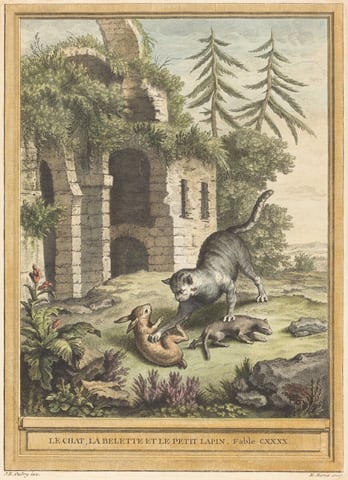
  1. This is a painting of animals in front of a ruined structure. The painting features a cat, a weasel, and a small rabbit gathered on a patch of grass. The cat has its paw over the rabbit, with the weasel observing. They are in front of an ancient stone structure surrounded by vegetation. In the background are trees against a sky. The foreground has detailed foliage and flowers.
    Le chat, la balette et le petit lapin (The Cat, the Weasel, and the Rabbit)Martin Marvie, published 1756Courtesy National Gallery of Art, Washington
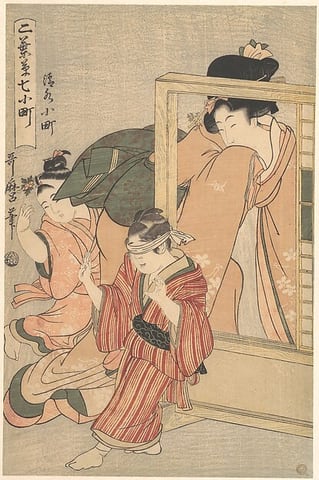
  2. Kiyomizu Komachi, from the series Futabagusa nana Komachi, by Kitagawa Utamaro, 1790s
    Kiyomizu Komachi, from the series Futabagusa nana KomachiKitagawa Utamaro, 1790sCourtesy of The Metropolitan Museum of Art

  3. The Actor Segawa Tomisaburo II as the Otomos' Maid Wakakusa, Actually Prince Korehito, by Tōshūsai Sharaku, 1794–75
    The Actor Segawa Tomisaburo II as the Otomos' Maid Wakakusa, Actually Prince KorehitoTōshūsai Sharaku, 1794–75Courtesy of The Metropolitan Museum of Art

Section 2, north wall
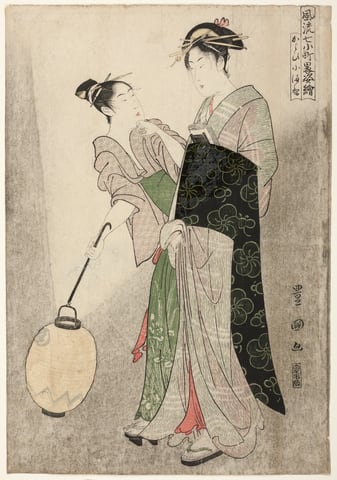
  1. A work made of color woodblock print; oban.
    Courting Komachi (Kayoi Komachi), from the series Seven Fashionable Figures of Ono no Komachi (Furyu nana Komachi yatushi sugata-e)Utagawa Toyokuni, Edo period (1615–1868), about 1792Courtesy of the Art Institute of Chicago
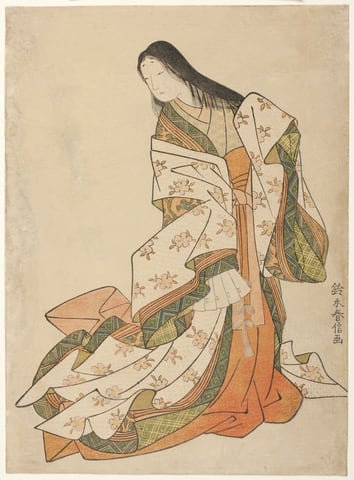
  2. A work made of color woodblock print; chuban.
    The Poetess Ono no KomachiSuzuki Harunobu, Edo period (1615–1868), 1767/68Courtesy of the Art Institute of Chicago
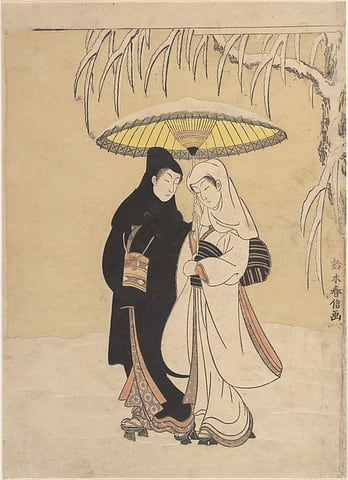
  3. Lovers Walking in the Snow (Crow and Heron), by Suzuki Harunobu, 1764–72
    Lovers Walking in the Snow (Crow and Heron)Suzuki Harunobu, 1764–72Courtesy of The Metropolitan Museum of Art

Section 3, north wall
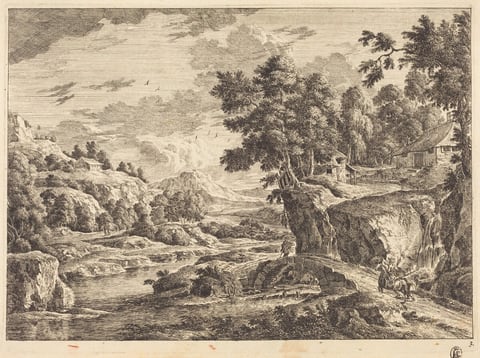
  1. The image shows a landscape scene with an elevated perspective. The horizon is placed low, emphasizing the sky with swirling clouds and scattered birds. A river winds through a valley with a stone bridge. A rocky outcrop with trees and a small building are on the right. In the distance, hills lead to mountains. The style uses intricate cross-hatching for texture and depth. The color palette is monochrome with varying shades of sepia.
    Landscape with a Bridge and Three Farm BuildingsGeorg EisenmannCourtesy National Gallery of Art, Washington
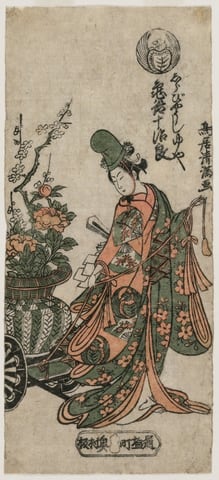
  2. Kametani Jujiro as the Shirabyoshi Dancer Yuya, by Torii Kiyomitsu, c. early 1760s
    Kametani Jujiro as the Shirabyoshi Dancer YuyaTorii Kiyomitsu, c. early 1760sCourtesy of the Cleveland Museum of Art

Section 3, south wall
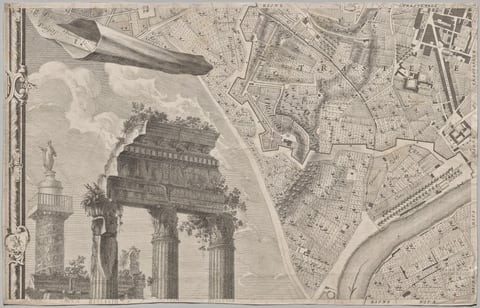
  1. Nuova pianta di Roma data in luce da Giambattista Nolli l’anno MDCCXLVII, known as La Pianta Grande di Roma, by Giovanni Battista Nolli, 1748
    Nuova pianta di Roma data in luce da Giambattista Nolli l’anno MDCCXLVII, known as La Pianta Grande di RomaGiovanni Battista Nolli, 1748Courtesy of the Cleveland Museum of Art
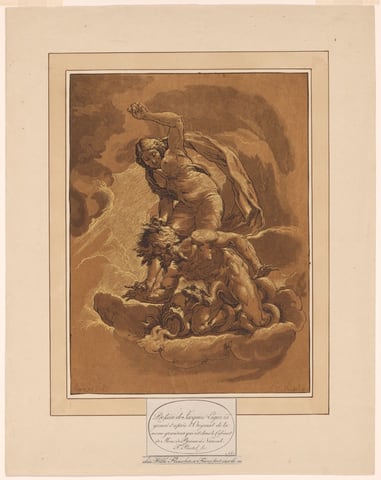
  2. A work made of etching and aquatint, from three plates, in brown and black, with metallic gold, on ivory laid paper.
    The Triumph of Truth over EnvyMaria Katharina Prestel, 1781Courtesy of the Art Institute of Chicago