Floor plan

Style galleriesPrints of the 18th century
Prints of the 18th century
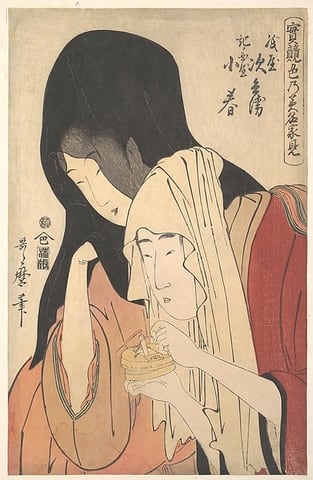
Jihei of Kamiya Eloping with the Geisha Koharu of Kinokuniya, from the series “True Feelings Compared: The Founts of Love” (Jitsu kurabe iro no Minakami), by Kitagawa Utamaro, ca. 1798–99
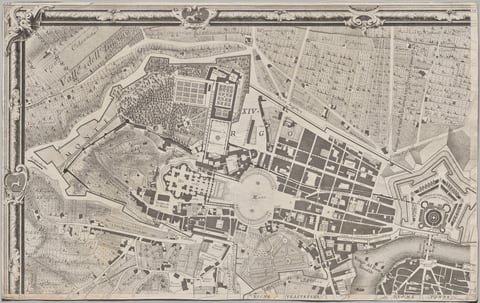
Nuova pianta di Roma data in luce da Giambattista Nolli l’anno MDCCXLVII, known as La Pianta Grande di Roma, by Giovanni Battista Nolli, 1748
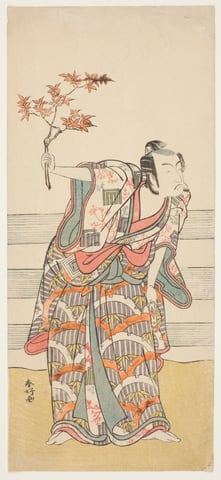
Scene from a Play, by Katsukawa Shunjō, ca. 1780
A work made of color woodblock print; oban.
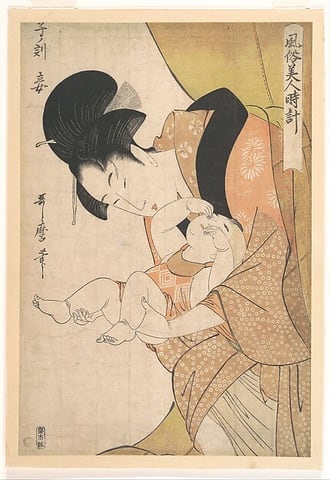
“Hour of the Rat: Mistress,” from the series Women’s Daily Customs (Fuzoku bijin tokei), by Kitagawa Utamaro, 1790

The works in this room are listed below.

Works in this room

Prints made in the 18th century, from every museum.

Section 1, north wall

  1. Jihei of Kamiya Eloping with the Geisha Koharu of Kinokuniya, from the series “True Feelings Compared: The Founts of Love” (Jitsu kurabe iro no Minakami), by Kitagawa Utamaro, ca. 1798–99
    Jihei of Kamiya Eloping with the Geisha Koharu of Kinokuniya, from the series “True Feelings Compared: The Founts of Love” (Jitsu kurabe iro no Minakami)Kitagawa Utamaro, ca. 1798–99Courtesy of The Metropolitan Museum of Art
  2. Nuova pianta di Roma data in luce da Giambattista Nolli l’anno MDCCXLVII, known as La Pianta Grande di Roma, by Giovanni Battista Nolli, 1748
    Nuova pianta di Roma data in luce da Giambattista Nolli l’anno MDCCXLVII, known as La Pianta Grande di RomaGiovanni Battista Nolli, 1748Courtesy of the Cleveland Museum of Art

Section 1, south wall

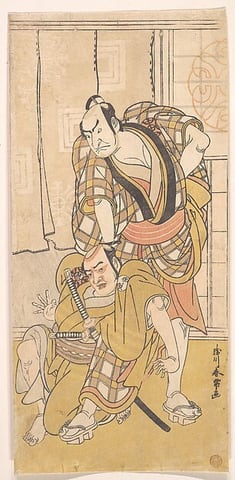
  1. Scene from a Play, by Katsukawa Shunjō, ca. 1780
    Scene from a PlayKatsukawa Shunjō, ca. 1780Courtesy of The Metropolitan Museum of Art
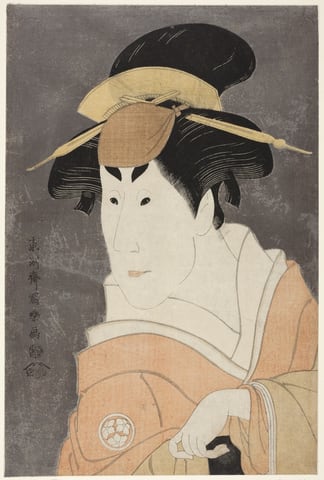
  2. A work made of color woodblock print; oban.
    The actor Osagawa Tsuneyo II as Osan, Ippei’s elder sisterTōshūsai Sharaku, 1794Courtesy of the Art Institute of Chicago
  3. “Hour of the Rat: Mistress,” from the series Women’s Daily Customs (Fuzoku bijin tokei), by Kitagawa Utamaro, 1790
    “Hour of the Rat: Mistress,” from the series Women’s Daily Customs (Fuzoku bijin tokei)Kitagawa Utamaro, 1790Courtesy of The Metropolitan Museum of Art

Section 2, south wall
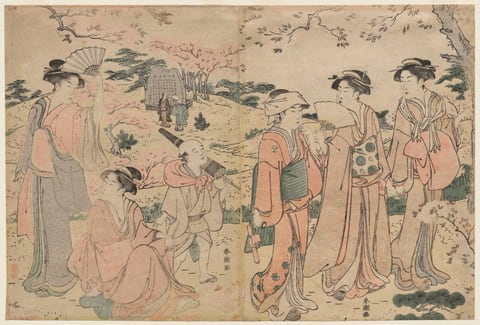
  1. Women Viewing Cherry Blossoms at Asukayama, by Katsukawa Shunchô, 1780s
    Women Viewing Cherry Blossoms at AsukayamaKatsukawa Shunchô, 1780sCourtesy of the Cleveland Museum of Art
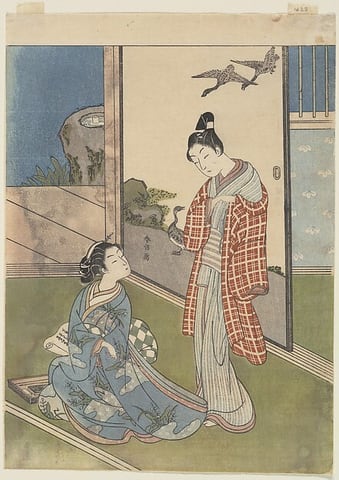
  2. A Girl Writing a Letter, by Suzuki Harunobu, 18th century
    A Girl Writing a LetterSuzuki Harunobu, 18th centuryCourtesy of The Metropolitan Museum of Art

Section 2, north wall
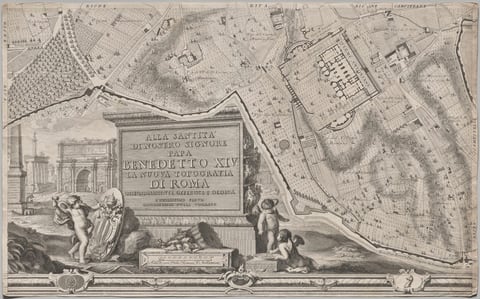
  1. Nuova pianta di Roma data in luce da Giambattista Nolli l’anno MDCCXLVII, known as La Pianta Grande di Roma, by Giovanni Battista Nolli, 1748
    Nuova pianta di Roma data in luce da Giambattista Nolli l’anno MDCCXLVII, known as La Pianta Grande di RomaGiovanni Battista Nolli, 1748Courtesy of the Cleveland Museum of Art
  2. A work made of color woodblock print; hosoban.
    Actor Ichikawa Monnosuke II in an Unidentified RoleKatsukawa Shunkо̄, About 1785Courtesy of the Art Institute of Chicago

Section 3, north wall
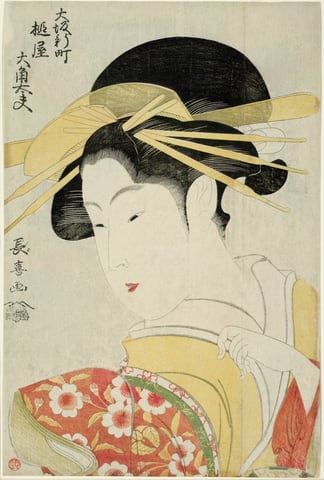
  1. A work made of color woodblock print; oban.
    Osumi, a Tayu of the Tsuchiya in the Shinmachi Quarter in OsakaEishosai Choki, c. 1796/97Courtesy of the Art Institute of Chicago
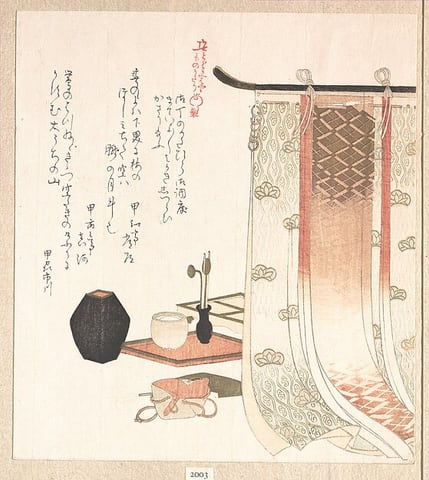
  2. Screen and Utensils for the Incense Ceremony, by Kubo Shunman, 19th century
    Screen and Utensils for the Incense CeremonyKubo Shunman, 19th centuryCourtesy of The Metropolitan Museum of Art
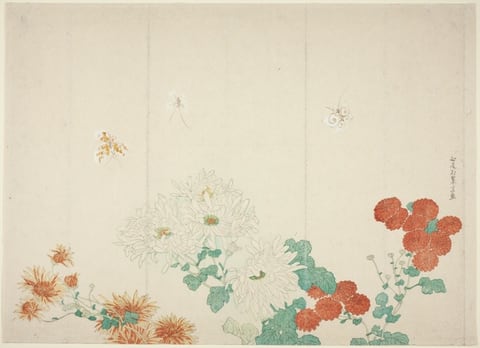
  3. A work made of color woodblock print; surimono.
    Three Types of ChrysanthemumsKitao Shigemasa, c. 1790Courtesy of the Art Institute of Chicago

Section 3, south wall
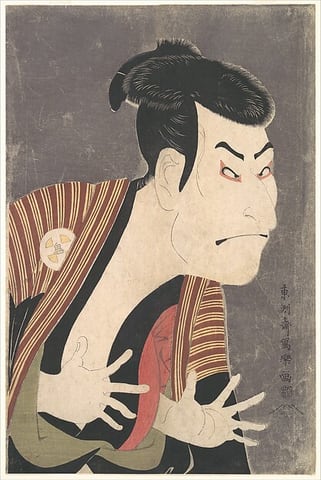
  1. Kabuki Actor Ōtani Oniji III as Yakko Edobei, by Tōshūsai Sharaku, 1794
    Kabuki Actor Ōtani Oniji III as Yakko EdobeiTōshūsai Sharaku, 1794Courtesy of The Metropolitan Museum of Art
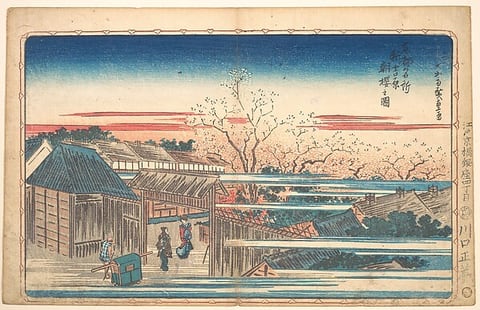
  2. Morning Cherries at Yoshiwara, by Utagawa Hiroshige
    Morning Cherries at YoshiwaraUtagawa HiroshigeCourtesy of The Metropolitan Museum of Art

Section 4, south wall
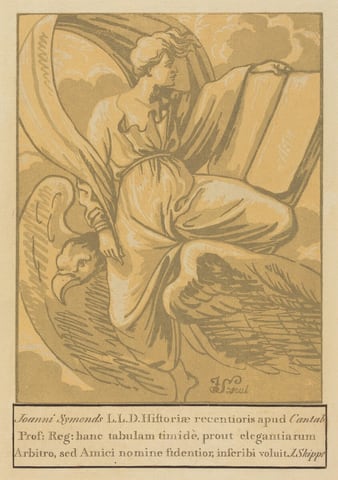
  1. This is a drawing of a winged figure seated on a bird. The image depicts a figure with flowing robes, wings outstretched, holding an open book in one hand. The figure appears to be looking off to the side, with a serene expression. The lower part of the image includes a bird upon which the figure is seated. The bird's head is turned slightly upwards, following the direction in which the figure is gazing. The image is rendered in a warm, monochromatic palette. In the lower section of the image, there is some text, likely Latin.
    Saint John the EvangelistJohn Skippe, 1771Courtesy National Gallery of Art, Washington
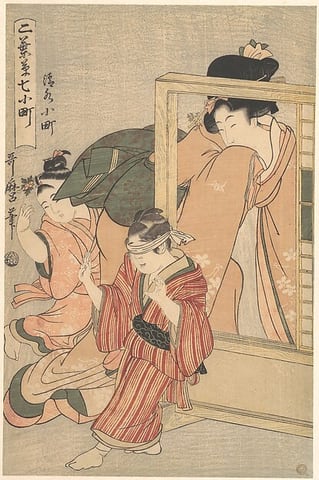
  2. Kiyomizu Komachi, from the series Futabagusa nana Komachi, by Kitagawa Utamaro, 1790s
    Kiyomizu Komachi, from the series Futabagusa nana KomachiKitagawa Utamaro, 1790sCourtesy of The Metropolitan Museum of Art