Renaissance
Works in this room
European art from about 1400 to 1600, when painters rediscovered perspective and the classical past.
First room, north wall
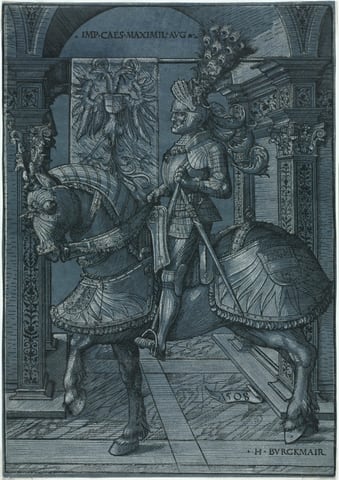
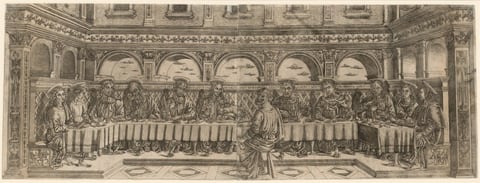
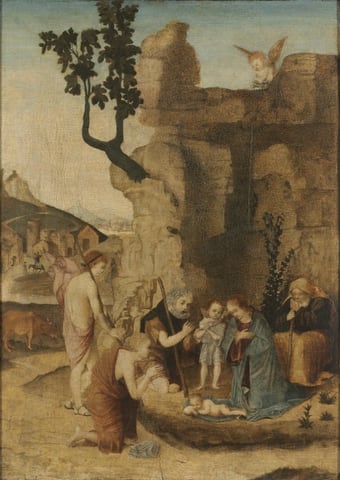
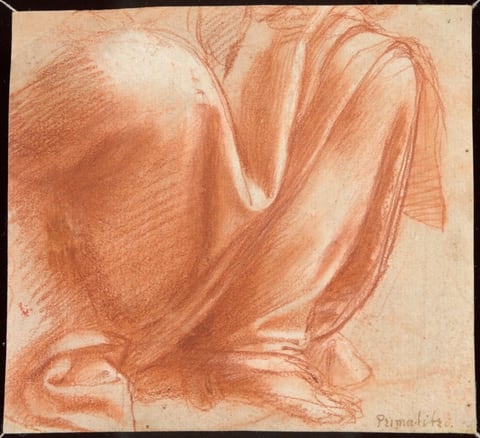
Equestrian Portrait of the Emperor MaximilianHans Burgkmair, 1508Courtesy of the Cleveland Museum of Art The Last Supper (pair)Lucantonio degli Uberti, c. 1500Courtesy of the Cleveland Museum of Art Adoration of the ShepherdsUnrecorded Italian maker, c. 1500Courtesy of the Cleveland Museum of Art A Drapery Study for the Knees of a Seated Allegorical Figure of Charity (recto); Bust of a Naked Allegorical Figure of Charity with Two Putti (verso)Giovanni Antonio di Francesco Sogliani, 1520/30Courtesy of the Art Institute of Chicago
First room, south wall
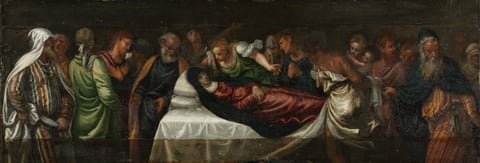
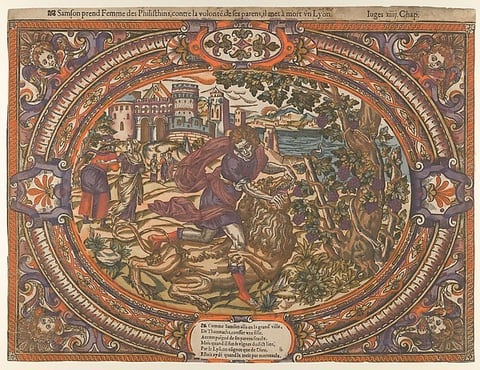
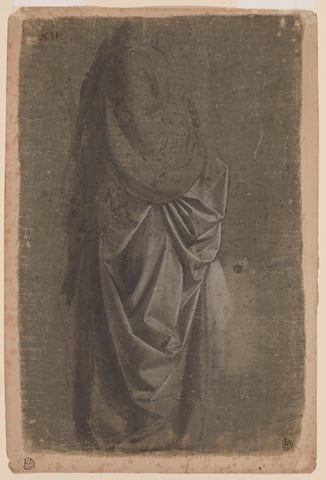
Death of the VirginUnrecorded Italian maker, mid-1500sCourtesy of the Cleveland Museum of Art Samson and the Lion, from "The Story of Samson"Unrecorded French maker, ca. 1560–80Courtesy of The Metropolitan Museum of Art Drapery Study of a Standing Figure Facing Right, in ProfileAndrea del Verrocchio, late 1460s–early 1470sCourtesy of the Art Institute of Chicago
Second room, south wall
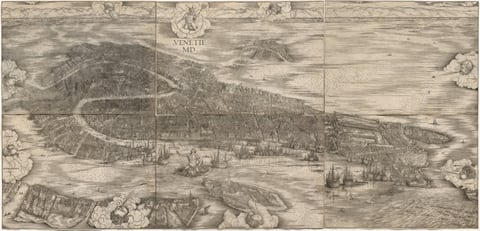
View of VeniceJacopo de' Barbari, 1500Courtesy of the Cleveland Museum of Art 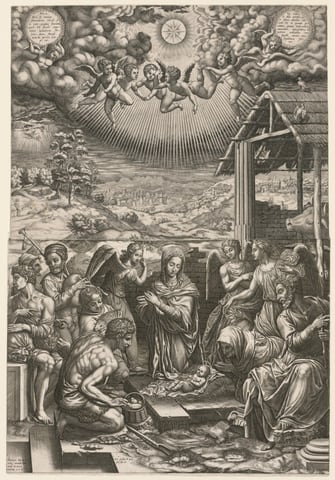
The NativityGiorgio Ghisi, 1553Courtesy of the Cleveland Museum of Art
Second room, north wall
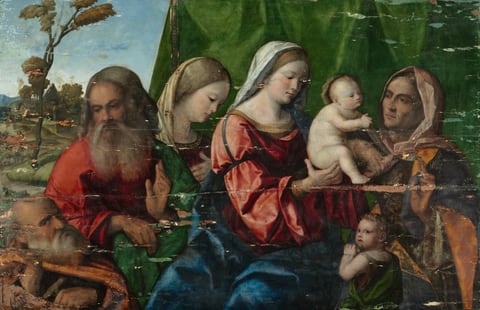
Virgin and Child with SaintsUnrecorded Italian maker, c. 1510Courtesy of the Cleveland Museum of Art 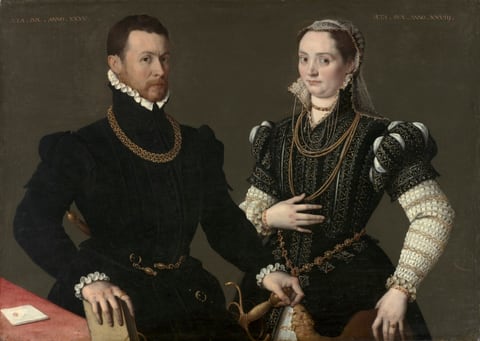
Portrait of a CoupleUnrecorded Italian maker, c. 1580–88Courtesy of the Cleveland Museum of Art
Third room, north wall
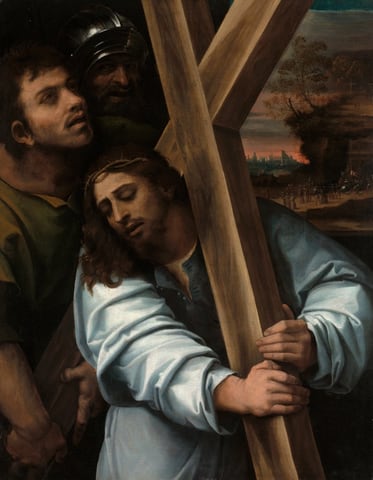
Christ Carrying the CrossSebastiano del Piombo, c. 1515–17Courtesy of the Art Institute of Chicago 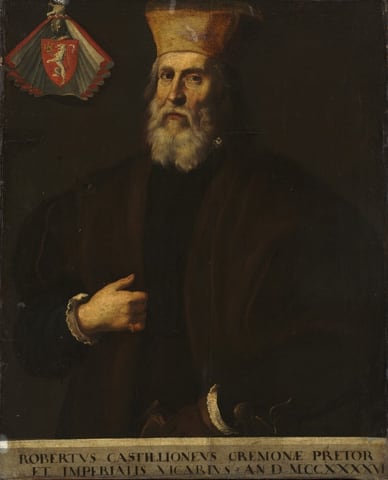
Portrait of Roberto CastiglioneUnrecorded Italian maker, early 1600sCourtesy of the Cleveland Museum of Art 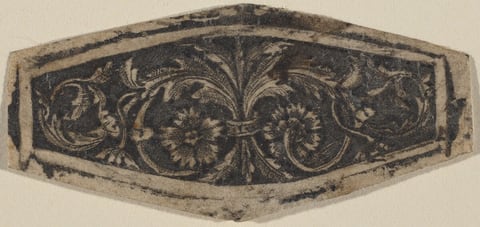
Ornament in Hexagonal ShapeUnrecorded Italian maker, c. 1480/1510Courtesy National Gallery of Art, Washington
Third room, south wall
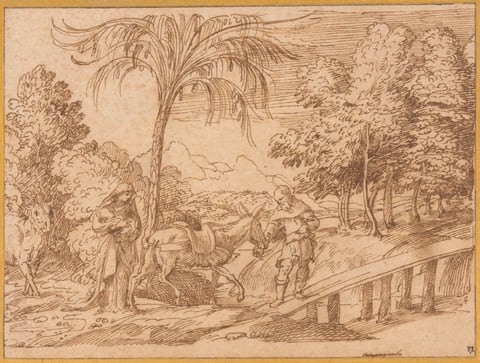
The Flight into EgyptDomenico Campagnola, c. 1540Courtesy of the Art Institute of Chicago 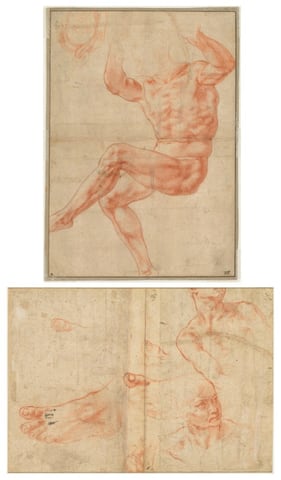
Study for the Nude Youth over the Prophet Daniel (recto); Figure Studies for the Sistine Ceiling (verso)Michelangelo Buonarroti, 1510–11Courtesy of the Cleveland Museum of Art