Floor plan

Style galleriesRomanticism

Romanticism

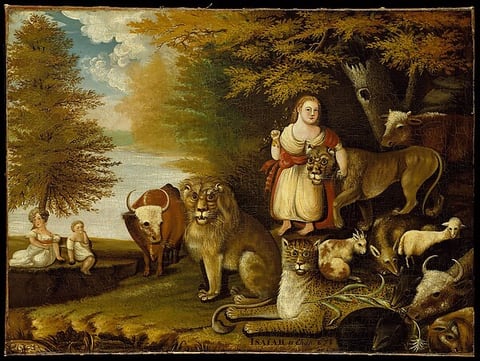
Peaceable Kingdom, by Edward Hicks, ca. 1830–32
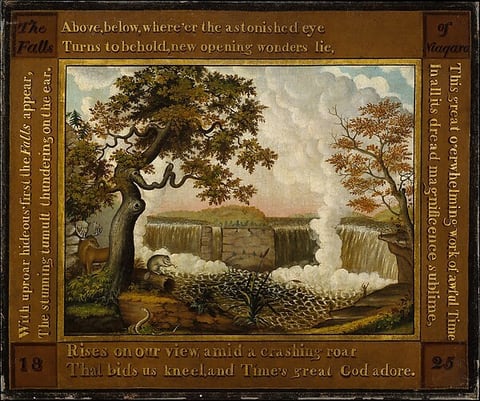
The Falls of Niagara, by Edward Hicks, ca. 1825
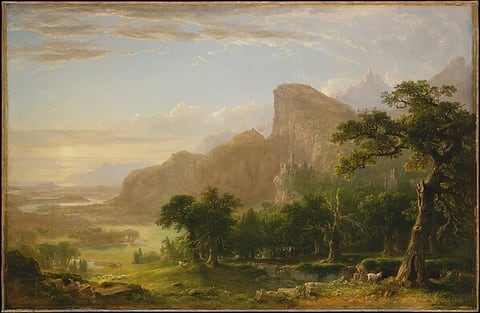
Landscape—Scene from "Thanatopsis", by Asher Brown Durand, 1850
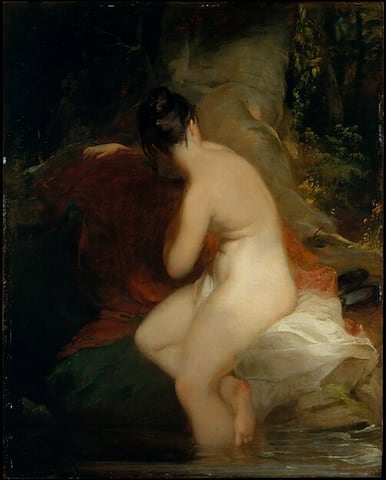
Musidora, by Thomas Sully, 1813–35
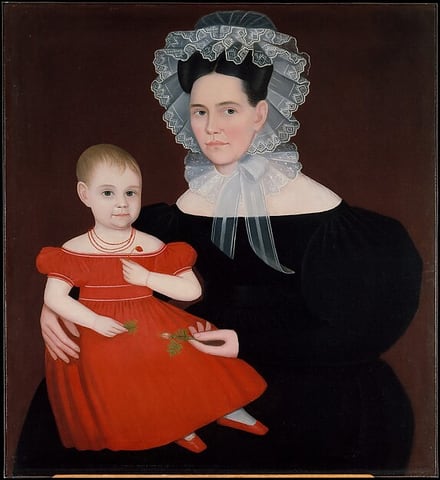
Mrs. Mayer and Daughter, by Ammi Phillips, 1835–40
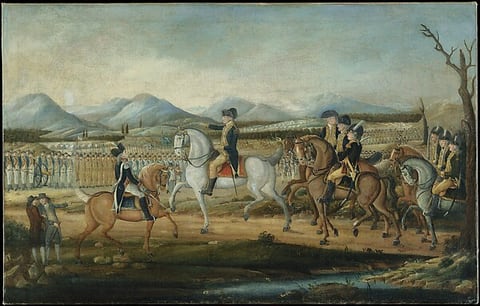
Washington Reviewing the Western Army at Fort Cumberland, Maryland, by Frederick Kemmelmeyer, after 1795
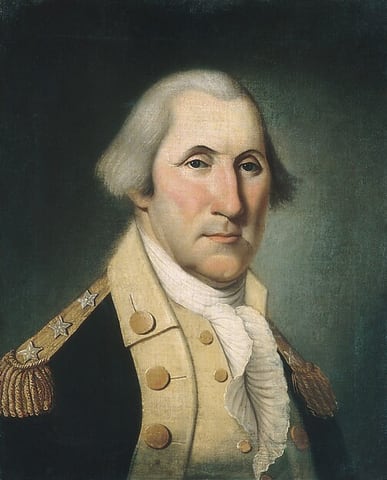
George Washington, by Charles Peale Polk, ca. 1790

The works in this room are listed below.

Works in this room

Sublime landscapes, storms and feeling, from about 1780 to 1850.

Section 1, north wall

  1. Peaceable Kingdom, by Edward Hicks, ca. 1830–32
    Peaceable KingdomEdward Hicks, ca. 1830–32Courtesy of The Metropolitan Museum of Art
  2. The Falls of Niagara, by Edward Hicks, ca. 1825
    The Falls of NiagaraEdward Hicks, ca. 1825Courtesy of The Metropolitan Museum of Art
  3. Landscape—Scene from "Thanatopsis", by Asher Brown Durand, 1850
    Landscape—Scene from "Thanatopsis"Asher Brown Durand, 1850Courtesy of The Metropolitan Museum of Art

Section 1, south wall

  1. Musidora, by Thomas Sully, 1813–35
    MusidoraThomas Sully, 1813–35Courtesy of The Metropolitan Museum of Art
  2. Mrs. Mayer and Daughter, by Ammi Phillips, 1835–40
    Mrs. Mayer and DaughterAmmi Phillips, 1835–40Courtesy of The Metropolitan Museum of Art
  3. Washington Reviewing the Western Army at Fort Cumberland, Maryland, by Frederick Kemmelmeyer, after 1795
    Washington Reviewing the Western Army at Fort Cumberland, MarylandFrederick Kemmelmeyer, after 1795Courtesy of The Metropolitan Museum of Art
  4. George Washington, by Charles Peale Polk, ca. 1790
    George WashingtonCharles Peale Polk, ca. 1790Courtesy of The Metropolitan Museum of Art

Section 2, south wall
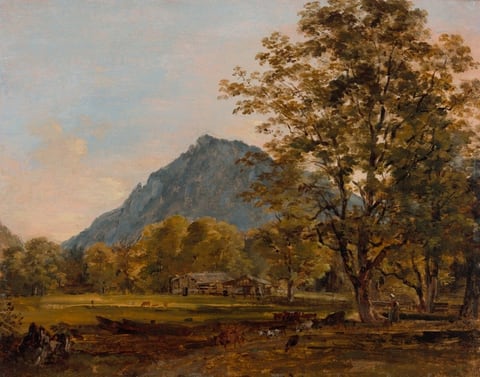
  1. A work made of oil on paper, laid onto cardboard.
    A Farmhouse in the Bavarian AlpsJohann Georg von Dillis, c. 1825Courtesy of the Art Institute of Chicago
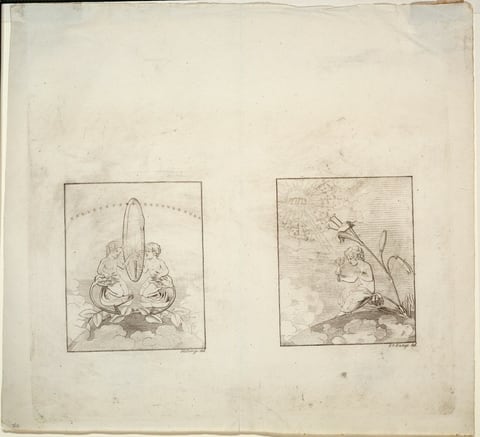
  2. A work made of etching on ivory wove paper.
    Child with RosebudPhillip Otto Runge, n.d.Courtesy of the Art Institute of Chicago
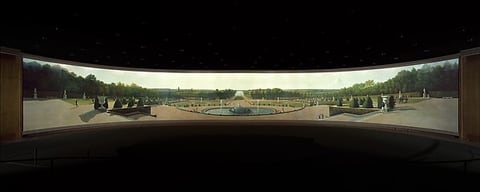
  3. Panoramic View of the Palace and Gardens of Versailles, by John Vanderlyn, 1818–19
    Panoramic View of the Palace and Gardens of VersaillesJohn Vanderlyn, 1818–19Courtesy of The Metropolitan Museum of Art
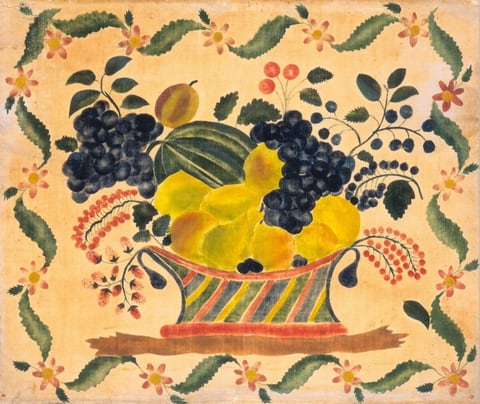
  4. Basket of Fruit, c. 1830
    Basket of FruitUnrecorded American maker, c. 1830Courtesy National Gallery of Art, Washington

Section 2, north wall
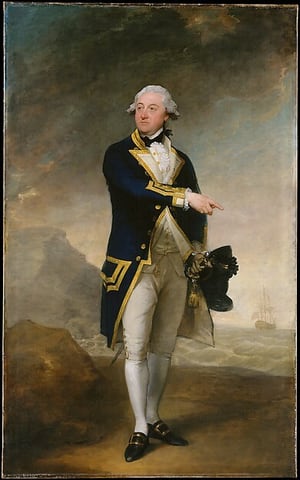
  1. Captain John Gell, by Gilbert Stuart, 1785
    Captain John GellGilbert Stuart, 1785Courtesy of The Metropolitan Museum of Art
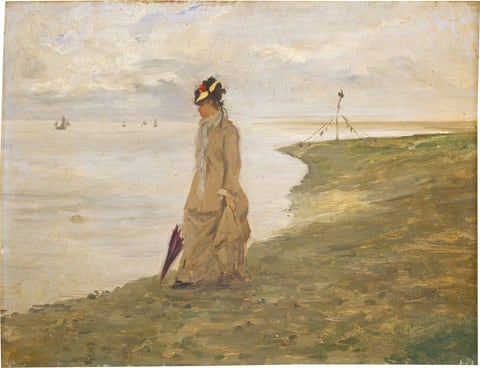
  2. This painting shows a woman in a tan dress and a tan hat with red flowers, walking on a grassy shoreline, holding a dark purple umbrella. The woman is positioned in the center of the painting, and she faces the left, standing at the edge of the water, looking downward. She has light skin and dark hair put up under her hat. The horizon is high in the painting, where the blue-gray sky and water meet. Small ships are visible in the distance, floating on the horizon. On the right side of the painting, the yellow and green ground curves, sloping slightly downward to meet the water. The painting has loose, visible brushstrokes.
    Woman by the SeasideUnrecorded French maker, 19th centuryCourtesy National Gallery of Art, Washington
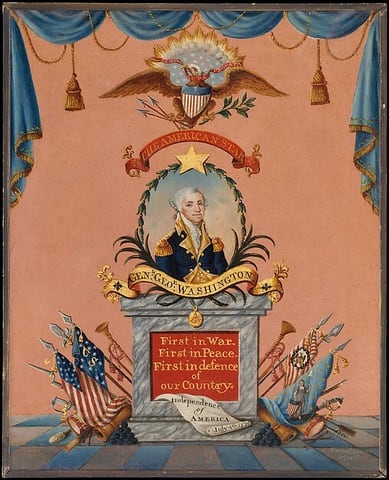
  3. The American Star (George Washington), by Frederick Kemmelmeyer, ca. 1803
    The American Star (George Washington)Frederick Kemmelmeyer, ca. 1803Courtesy of The Metropolitan Museum of Art

Section 3, north wall
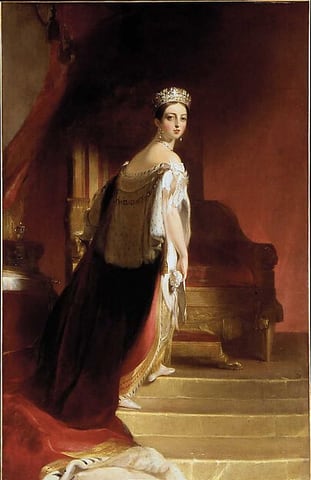
  1. Queen Victoria, by Thomas Sully, 1838
    Queen VictoriaThomas Sully, 1838Courtesy of The Metropolitan Museum of Art
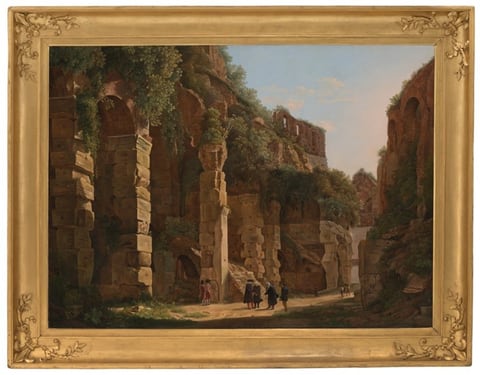
  2. A work made of oil on canvas.
    Inside the ColosseumFranz Ludwig Catel, c. 1823Courtesy of the Art Institute of Chicago