Floor plan

Style galleriesRomanticism

Romanticism

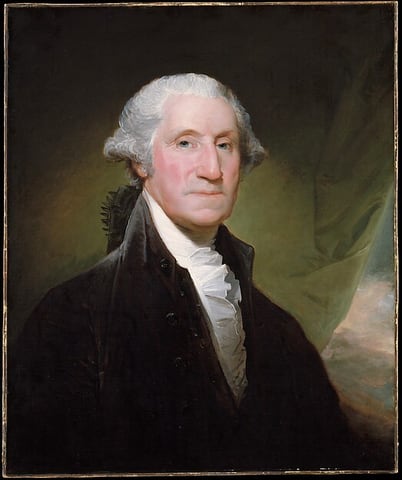
George Washington, by Gilbert Stuart, begun 1795
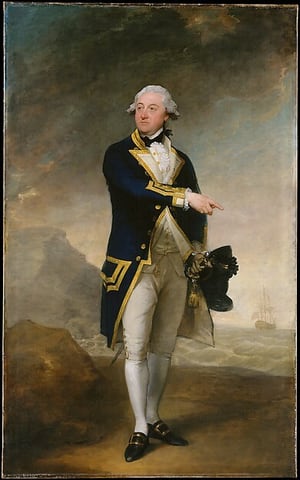
Captain John Gell, by Gilbert Stuart, 1785
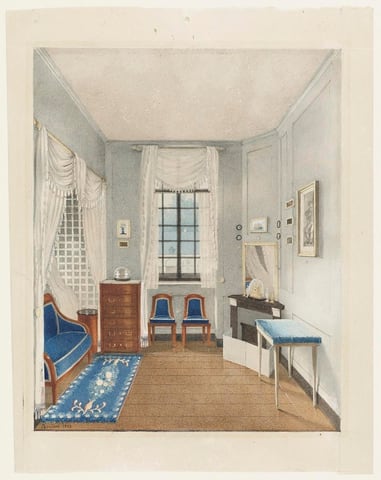
A FRENCH RESTORATION BEDROOM
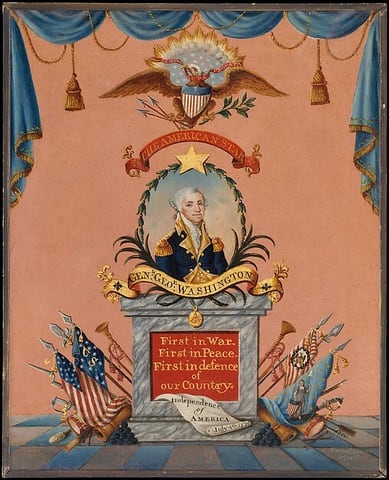
The American Star (George Washington), by Frederick Kemmelmeyer, ca. 1803
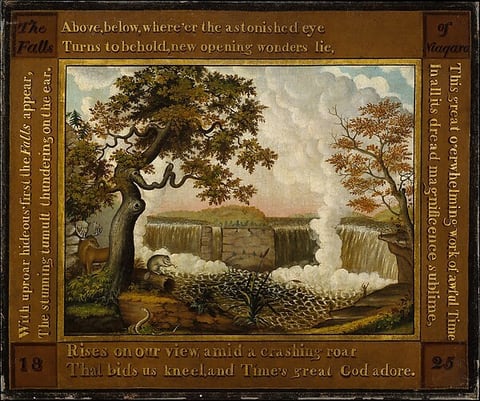
The Falls of Niagara, by Edward Hicks, ca. 1825
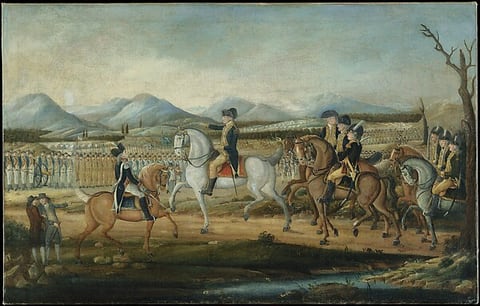
Washington Reviewing the Western Army at Fort Cumberland, Maryland, by Frederick Kemmelmeyer, after 1795
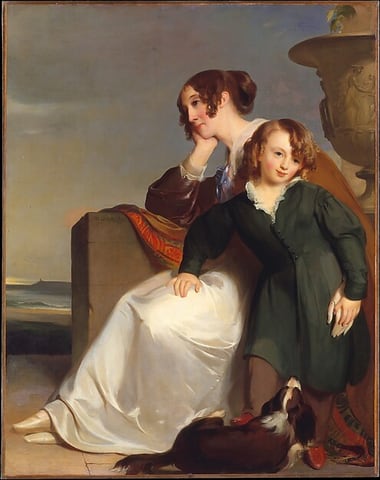
Mother and Son, by Thomas Sully, 1840

The works in this room are listed below.

Works in this room

Sublime landscapes, storms and feeling, from about 1780 to 1850.

Section 1, north wall

  1. George Washington, by Gilbert Stuart, begun 1795
    George WashingtonGilbert Stuart, begun 1795Courtesy of The Metropolitan Museum of Art
  2. Captain John Gell, by Gilbert Stuart, 1785
    Captain John GellGilbert Stuart, 1785Courtesy of The Metropolitan Museum of Art
  3. A FRENCH RESTORATION BEDROOM
    A French Restoration BedroomBouilhet, French, 1823Courtesy of Cooper Hewitt, Smithsonian Design Museum
  4. The American Star (George Washington), by Frederick Kemmelmeyer, ca. 1803
    The American Star (George Washington)Frederick Kemmelmeyer, ca. 1803Courtesy of The Metropolitan Museum of Art

Section 1, south wall

  1. The Falls of Niagara, by Edward Hicks, ca. 1825
    The Falls of NiagaraEdward Hicks, ca. 1825Courtesy of The Metropolitan Museum of Art
  2. Washington Reviewing the Western Army at Fort Cumberland, Maryland, by Frederick Kemmelmeyer, after 1795
    Washington Reviewing the Western Army at Fort Cumberland, MarylandFrederick Kemmelmeyer, after 1795Courtesy of The Metropolitan Museum of Art
  3. Mother and Son, by Thomas Sully, 1840
    Mother and SonThomas Sully, 1840Courtesy of The Metropolitan Museum of Art

Section 2, south wall
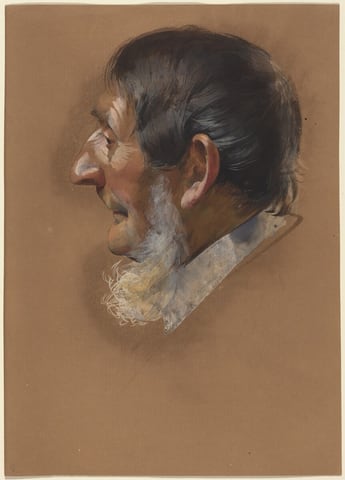
  1. The image shows a man's head and part of his neck in profile view. The man is looking to the left, showcasing his facial features. He has a prominent nose, cheekbones, dark hair with hints of gray at the sides, and a white beard under his chin. He is wearing a gray collar that is partially visible. The background is a plain, muted brown color. There are no objects or jewelry visible in the image.
    Profile of a Man with SidewhiskersUnrecorded German maker, c. 1850Courtesy National Gallery of Art, Washington
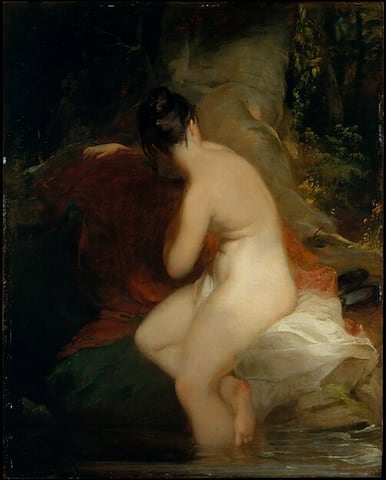
  2. Musidora, by Thomas Sully, 1813–35
    MusidoraThomas Sully, 1813–35Courtesy of The Metropolitan Museum of Art
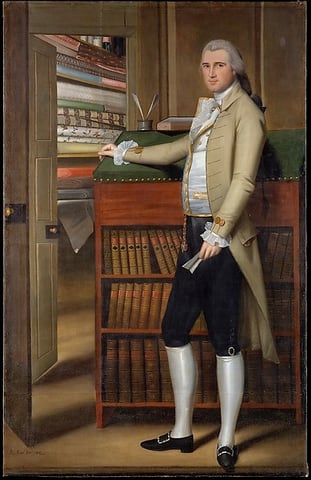
  3. Elijah Boardman, by Ralph Earl, 1789
    Elijah BoardmanRalph Earl, 1789Courtesy of The Metropolitan Museum of Art

Section 2, north wall
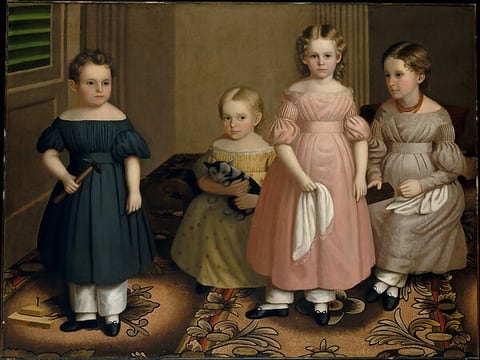
  1. The Alling Children, by Oliver Tarbell Eddy, ca. 1839
    The Alling ChildrenOliver Tarbell Eddy, ca. 1839Courtesy of The Metropolitan Museum of Art
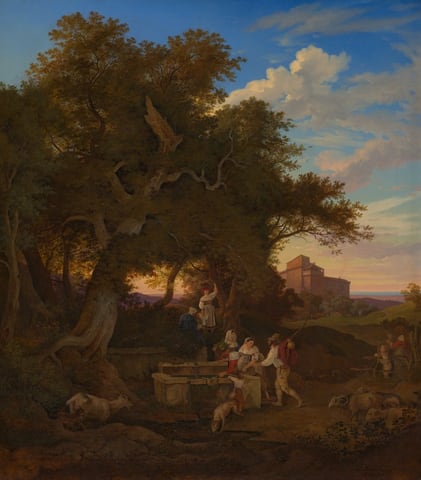
  2. A work made of oil on canvas.
    The Fountain at GrottaferrataAdrian Ludwig (Ludwig) Richter, 1832Courtesy of the Art Institute of Chicago
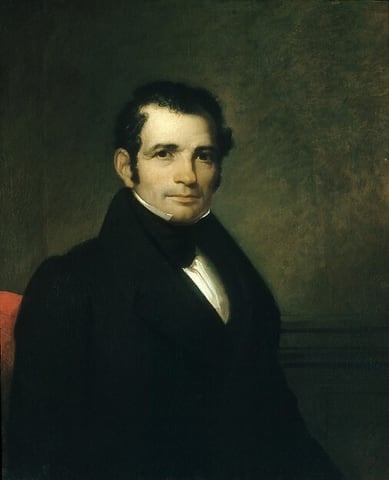
  3. Luman Reed, by Asher Brown Durand, 1835
    Luman ReedAsher Brown Durand, 1835Courtesy of The Metropolitan Museum of Art

Section 3, north wall
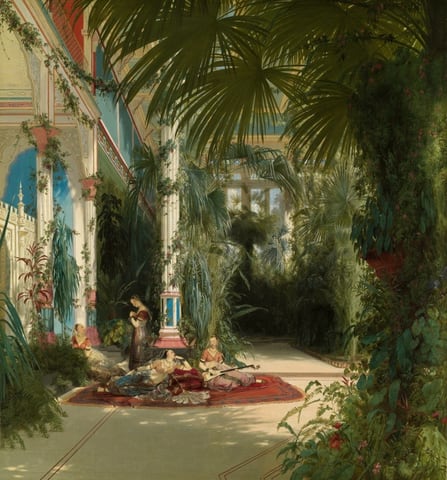
  1. Four women with musical instruments lounge in a massive garden courtyard.
    The Interior of the Palm House on the Pfaueninsel Near PotsdamCarl Blechen, 1834Courtesy of the Art Institute of Chicago
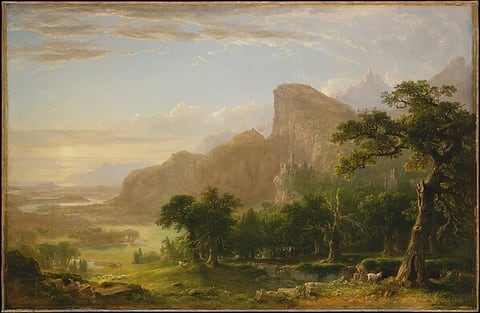
  2. Landscape—Scene from "Thanatopsis", by Asher Brown Durand, 1850
    Landscape—Scene from "Thanatopsis"Asher Brown Durand, 1850Courtesy of The Metropolitan Museum of Art
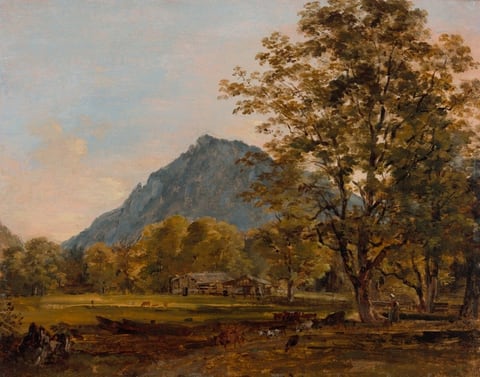
  3. A work made of oil on paper, laid onto cardboard.
    A Farmhouse in the Bavarian AlpsJohann Georg von Dillis, c. 1825Courtesy of the Art Institute of Chicago