
Floor plan

Style galleriesRomanticism

Romanticism

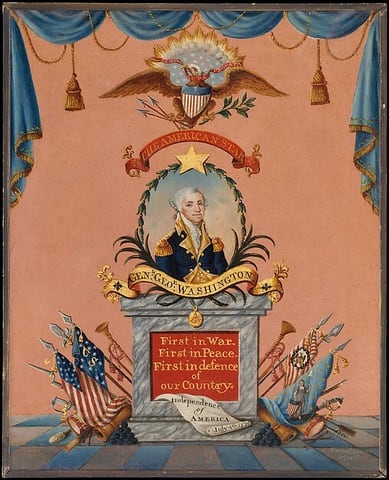
The American Star (George Washington), by Frederick Kemmelmeyer, ca. 1803
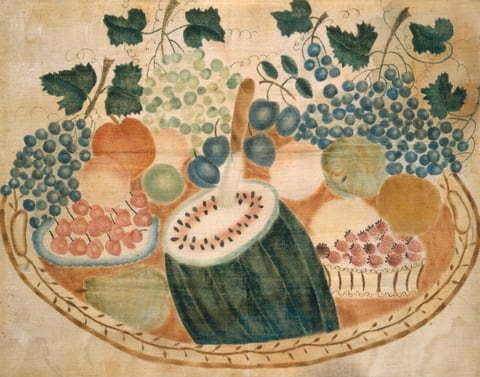
The image shows a large cut watermelon in a woven basket surrounded by various fruits including grapes, peaches, and small round red fruits. The color palette includes greens, blues, oranges, and browns. The basket takes up most of the space and is filled with fruits, with grape clusters hanging above it.
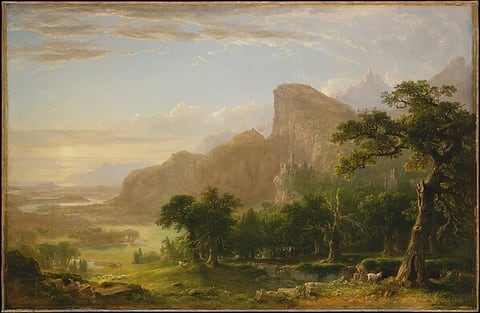
Landscape—Scene from "Thanatopsis", by Asher Brown Durand, 1850
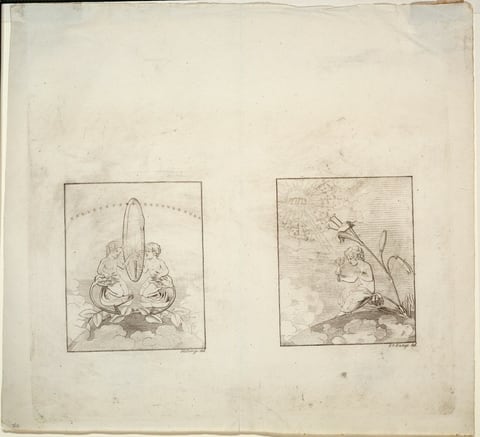
A work made of etching on ivory wove paper.
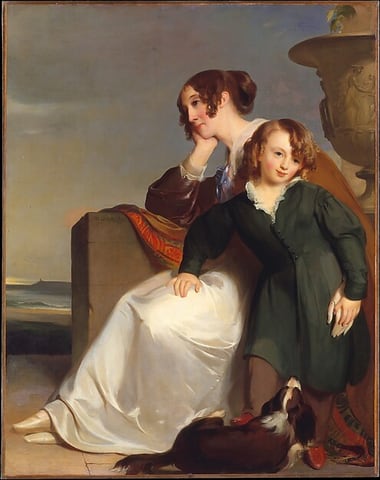
Mother and Son, by Thomas Sully, 1840
Fur Traders Descending the Missouri, by George Caleb Bingham, 1845
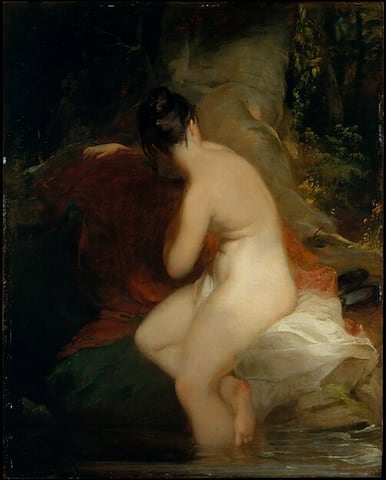
Musidora, by Thomas Sully, 1813–35

The works in this room are listed below.

Works in this room

Sublime landscapes, storms and feeling, from about 1780 to 1850.

Section 1, north wall

  1. The American Star (George Washington), by Frederick Kemmelmeyer, ca. 1803
    The American Star (George Washington)Frederick Kemmelmeyer, ca. 1803Courtesy of The Metropolitan Museum of Art
  2. The image shows a large cut watermelon in a woven basket surrounded by various fruits including grapes, peaches, and small round red fruits. The color palette includes greens, blues, oranges, and browns. The basket takes up most of the space and is filled with fruits, with grape clusters hanging above it.
    Fruit on a TrayUnrecorded American maker, c. 1840Courtesy National Gallery of Art, Washington
  3. Landscape—Scene from "Thanatopsis", by Asher Brown Durand, 1850
    Landscape—Scene from "Thanatopsis"Asher Brown Durand, 1850Courtesy of The Metropolitan Museum of Art
  4. A work made of etching on ivory wove paper.
    Child with RosebudPhillip Otto Runge, n.d.Courtesy of the Art Institute of Chicago

Section 1, south wall

  1. Mother and Son, by Thomas Sully, 1840
    Mother and SonThomas Sully, 1840Courtesy of The Metropolitan Museum of Art
  2. Fur Traders Descending the Missouri, by George Caleb Bingham, 1845
    Fur Traders Descending the MissouriGeorge Caleb Bingham, 1845Courtesy of The Metropolitan Museum of Art
  3. Musidora, by Thomas Sully, 1813–35
    MusidoraThomas Sully, 1813–35Courtesy of The Metropolitan Museum of Art

Section 2, south wall
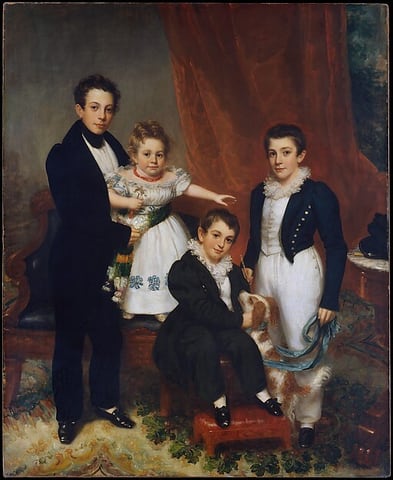
  1. The Knapp Children, by Samuel Lovett Waldo, ca. 1833–34
    The Knapp ChildrenSamuel Lovett Waldo, ca. 1833–34Courtesy of The Metropolitan Museum of Art
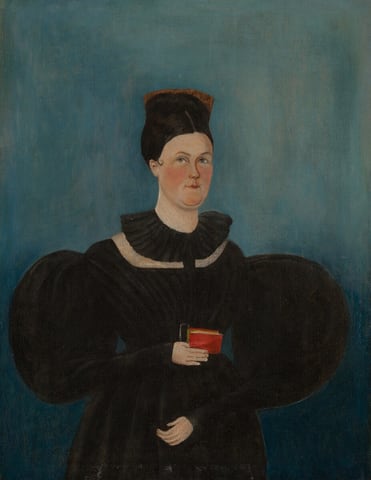
  2. The image shows a woman standing upright with a small red book in her right hand. She has a fair complexion, neutral expression, slightly arched eyebrows, and small, rounded lips. Her dark brown hair is styled in an updo with a black accessory. She wears a high-necked dark dress with puffed sleeves and a white collar. The background is plain blue. The woman is not wearing any visible jewelry, and the setting is minimalistic with only the book present.
    Anonymous WomanUnrecorded American maker, c. 1830Courtesy National Gallery of Art, Washington
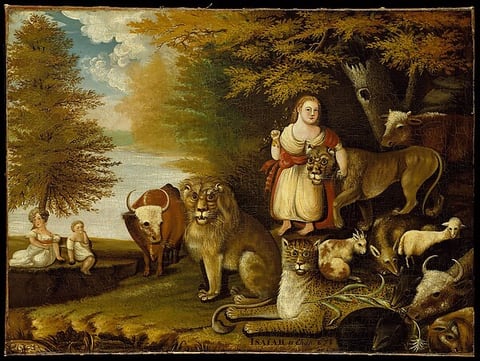
  3. Peaceable Kingdom, by Edward Hicks, ca. 1830–32
    Peaceable KingdomEdward Hicks, ca. 1830–32Courtesy of The Metropolitan Museum of Art

  4. Panoramic View of the Palace and Gardens of Versailles, by John Vanderlyn, 1818–19
    Panoramic View of the Palace and Gardens of VersaillesJohn Vanderlyn, 1818–19Courtesy of The Metropolitan Museum of Art

Section 2, north wall
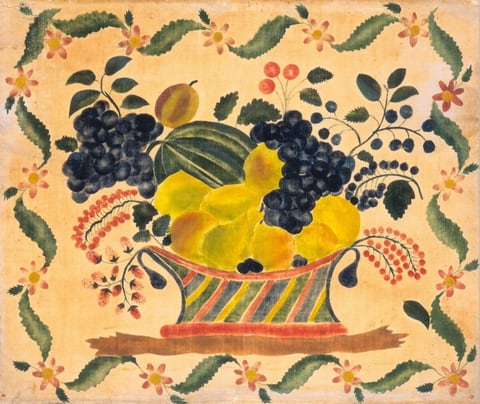
  1. Basket of Fruit, c. 1830
    Basket of FruitUnrecorded American maker, c. 1830Courtesy National Gallery of Art, Washington
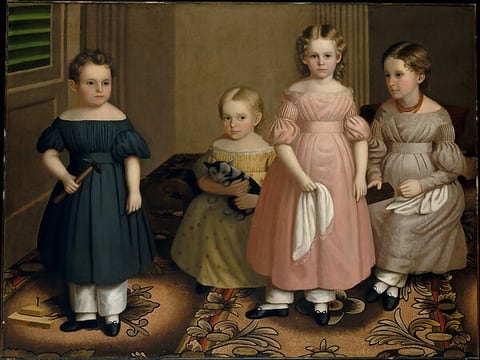
  2. The Alling Children, by Oliver Tarbell Eddy, ca. 1839
    The Alling ChildrenOliver Tarbell Eddy, ca. 1839Courtesy of The Metropolitan Museum of Art
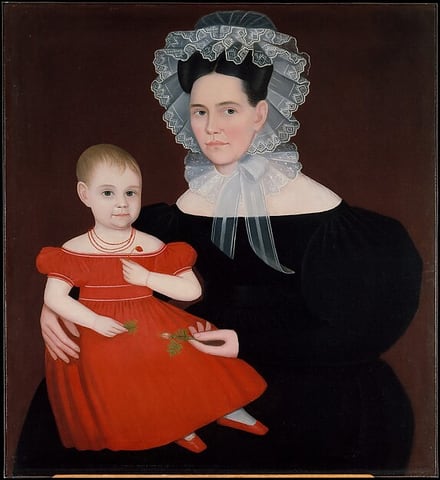
  3. Mrs. Mayer and Daughter, by Ammi Phillips, 1835–40
    Mrs. Mayer and DaughterAmmi Phillips, 1835–40Courtesy of The Metropolitan Museum of Art

Section 3, north wall
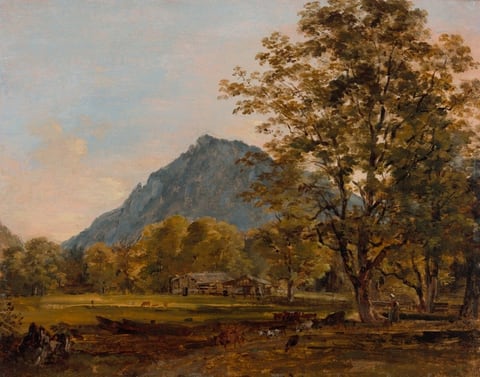
  1. A work made of oil on paper, laid onto cardboard.
    A Farmhouse in the Bavarian AlpsJohann Georg von Dillis, c. 1825Courtesy of the Art Institute of Chicago
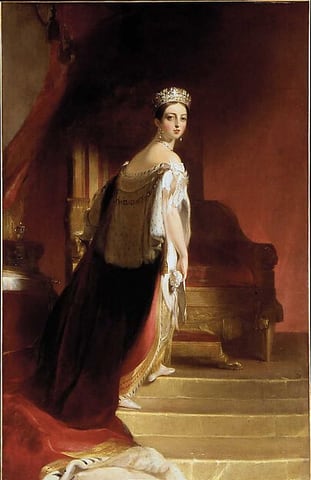
  2. Queen Victoria, by Thomas Sully, 1838
    Queen VictoriaThomas Sully, 1838Courtesy of The Metropolitan Museum of Art