
Floor plan

Style galleriesRomanticism

Romanticism

Musidora, by Thomas Sully, 1813–35
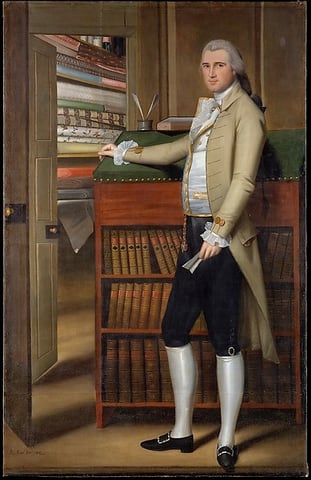
Elijah Boardman, by Ralph Earl, 1789
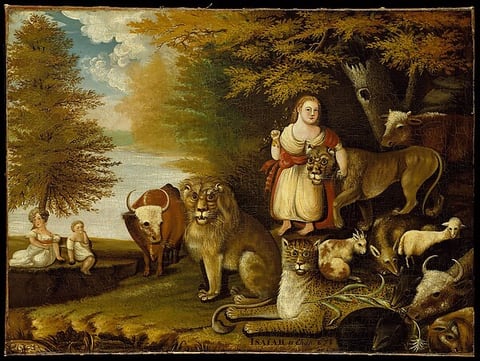
Peaceable Kingdom, by Edward Hicks, ca. 1830–32
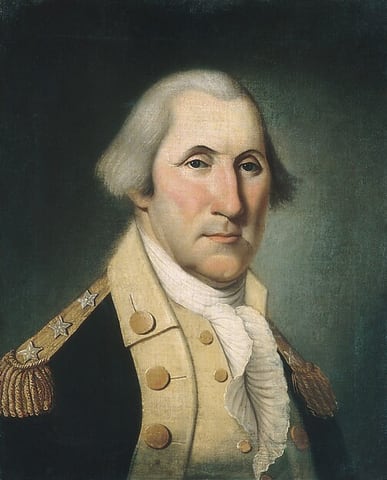
George Washington, by Charles Peale Polk, ca. 1790
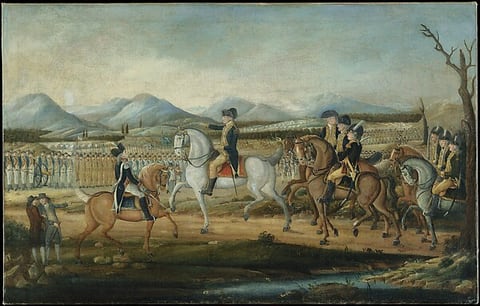
Washington Reviewing the Western Army at Fort Cumberland, Maryland, by Frederick Kemmelmeyer, after 1795
A work made of etching on ivory wove paper.
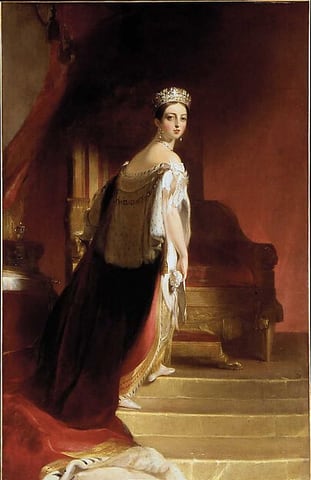
Queen Victoria, by Thomas Sully, 1838

The works in this room are listed below.

Works in this room

Sublime landscapes, storms and feeling, from about 1780 to 1850.

Section 1, north wall

  1. Musidora, by Thomas Sully, 1813–35
    MusidoraThomas Sully, 1813–35Courtesy of The Metropolitan Museum of Art
  2. Elijah Boardman, by Ralph Earl, 1789
    Elijah BoardmanRalph Earl, 1789Courtesy of The Metropolitan Museum of Art
  3. Peaceable Kingdom, by Edward Hicks, ca. 1830–32
    Peaceable KingdomEdward Hicks, ca. 1830–32Courtesy of The Metropolitan Museum of Art
  4. George Washington, by Charles Peale Polk, ca. 1790
    George WashingtonCharles Peale Polk, ca. 1790Courtesy of The Metropolitan Museum of Art

Section 1, south wall

  1. Washington Reviewing the Western Army at Fort Cumberland, Maryland, by Frederick Kemmelmeyer, after 1795
    Washington Reviewing the Western Army at Fort Cumberland, MarylandFrederick Kemmelmeyer, after 1795Courtesy of The Metropolitan Museum of Art
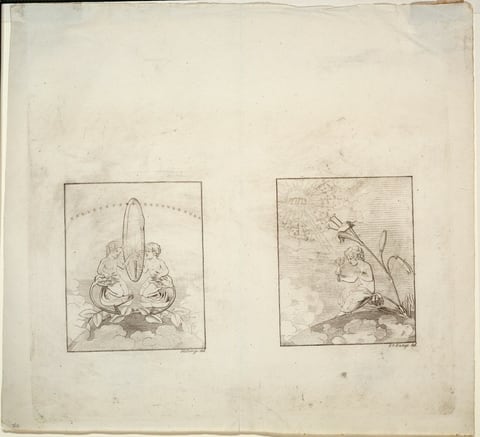
  2. A work made of etching on ivory wove paper.
    Child with RosebudPhillip Otto Runge, n.d.Courtesy of the Art Institute of Chicago
  3. Queen Victoria, by Thomas Sully, 1838
    Queen VictoriaThomas Sully, 1838Courtesy of The Metropolitan Museum of Art

Section 2, south wall
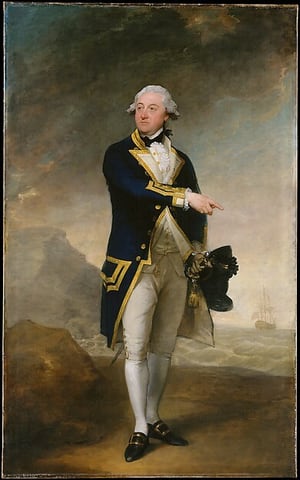
  1. Captain John Gell, by Gilbert Stuart, 1785
    Captain John GellGilbert Stuart, 1785Courtesy of The Metropolitan Museum of Art
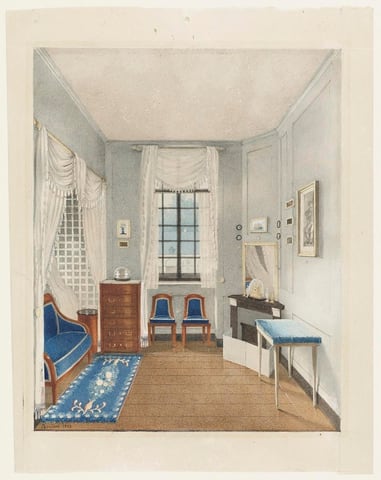
  2. A FRENCH RESTORATION BEDROOM
    A French Restoration BedroomBouilhet, French, 1823Courtesy of Cooper Hewitt, Smithsonian Design Museum
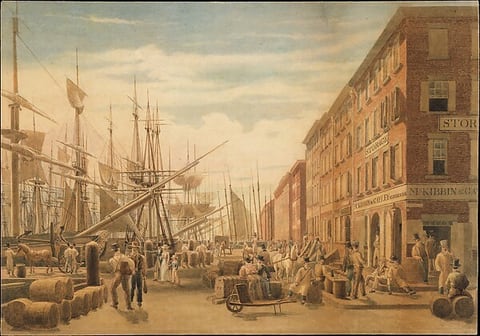
  3. View of South Street, from Maiden Lane, New York City, by William James Bennett, ca. 1827
    View of South Street, from Maiden Lane, New York CityWilliam James Bennett, ca. 1827Courtesy of The Metropolitan Museum of Art

Section 2, north wall
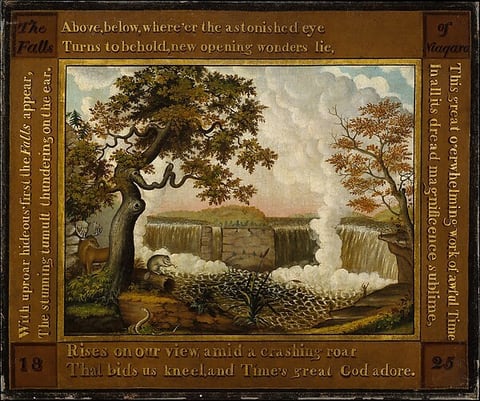
  1. The Falls of Niagara, by Edward Hicks, ca. 1825
    The Falls of NiagaraEdward Hicks, ca. 1825Courtesy of The Metropolitan Museum of Art
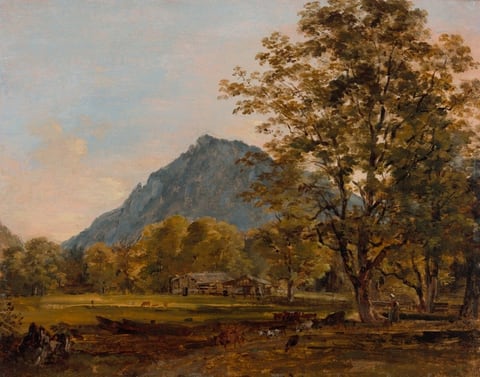
  2. A work made of oil on paper, laid onto cardboard.
    A Farmhouse in the Bavarian AlpsJohann Georg von Dillis, c. 1825Courtesy of the Art Institute of Chicago

  3. Landscape—Scene from "Thanatopsis", by Asher Brown Durand, 1850
    Landscape—Scene from "Thanatopsis"Asher Brown Durand, 1850Courtesy of The Metropolitan Museum of Art

Section 3, north wall
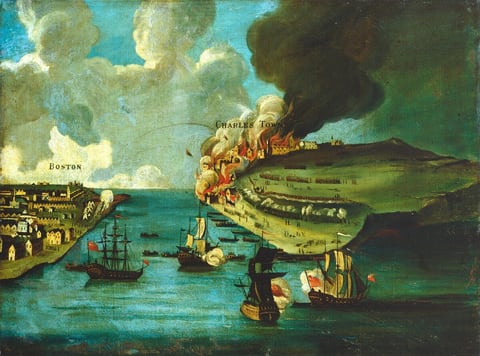
  1. We look across and down at a channel of water separating two landmasses labeled "Boston" and "Charles Town" in this horizontal landscape painting. Four three-masted ships are in the aquamarine-blue harbor between us and the land. Three of them have their sails unfurled and smoke billows from the broad, starboard side of each. Tidy rows of brown houses line the area of Boston. A puff of white smoke rises from the farthest point. Two arrow-shaped missiles, perhaps projectiles on fire, arc toward Charles Town, where billowing gray plumes of smoke rise from vivid orange fire on the far side of the landmass. Rowboats bring soldiers to the shore of Charles Town, close to where hundreds of soldiers line up and fire at each other. Much of the rest of Charles Town is a hill leading to sheer cliffs to our right. Tan and gray-colored smoke mixes among bright white clouds against a pale blue sky on the top half of the painting.
    Attack on Bunker's Hill, with the Burning of Charles TownUnrecorded American maker, 1783 or afterCourtesy National Gallery of Art, Washington

  2. Fur Traders Descending the Missouri, by George Caleb Bingham, 1845
    Fur Traders Descending the MissouriGeorge Caleb Bingham, 1845Courtesy of The Metropolitan Museum of Art
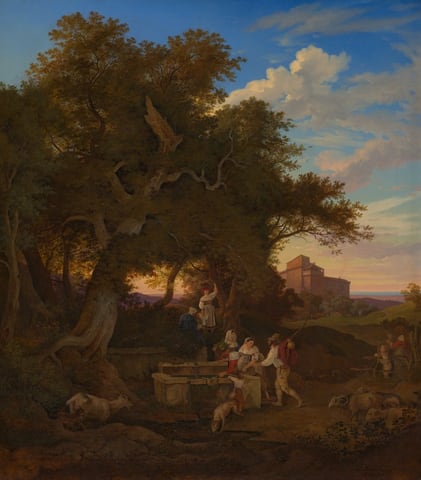
  3. A work made of oil on canvas.
    The Fountain at GrottaferrataAdrian Ludwig (Ludwig) Richter, 1832Courtesy of the Art Institute of Chicago