The Floating World
Works in this room
Japanese woodblock prints of the floating world: actors, courtesans, landscapes and the sea.
Section 1, north wall
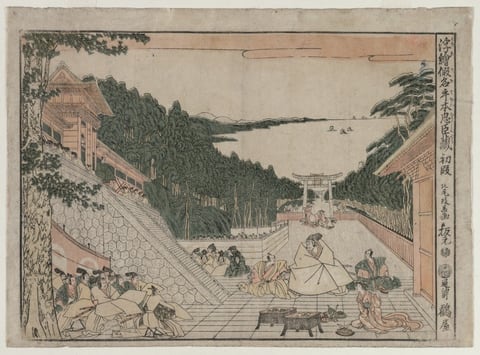
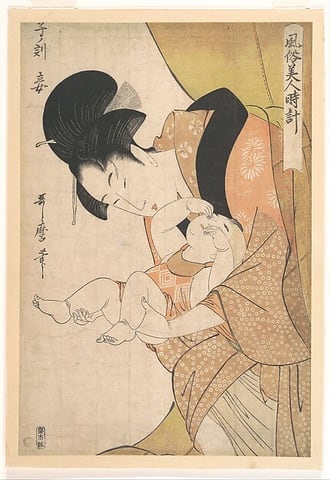
Perspective Pictures for The Treasure House of LoyaltyKitao Masayoshi, c. 1790sCourtesy of the Cleveland Museum of Art “Hour of the Rat: Mistress,” from the series Women’s Daily Customs (Fuzoku bijin tokei)Kitagawa Utamaro, 1790Courtesy of The Metropolitan Museum of Art
Section 1, south wall
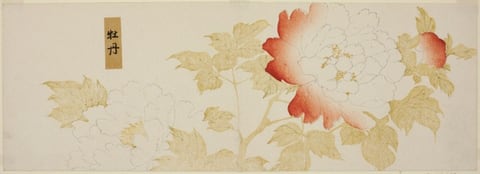
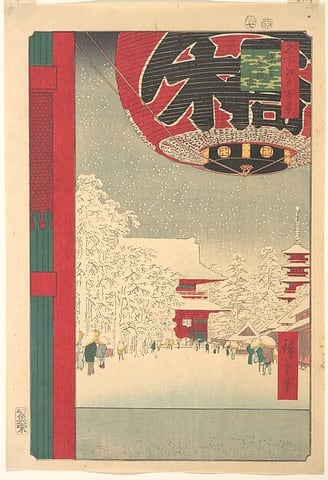
PeoniesKitagawa Utamaro, n.d.Courtesy of the Art Institute of Chicago Kinryūsan Temple at Asakusa, from the series "One Hundred Famous Views of Edo"Utagawa Hiroshige, 1856Courtesy of The Metropolitan Museum of Art
Section 2, south wall
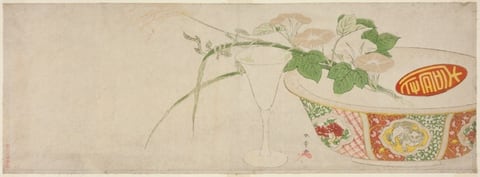
Plants, Porcelain Bowl, and Glass GobletKatsukawa Shunshō, c. 1789Courtesy of the Art Institute of Chicago 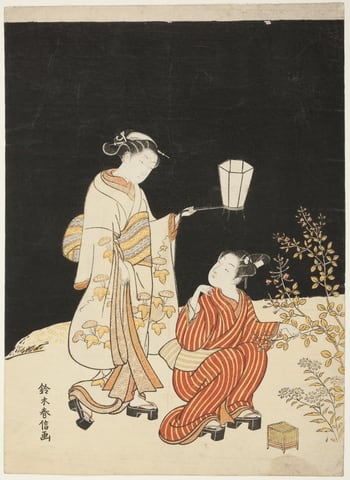
Searching for FirefliesSuzuki Harunobu, 1768Courtesy of the Art Institute of Chicago 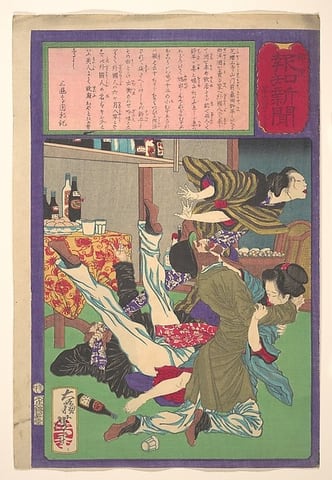
Postal Hōchi Newspaper no. 645, Englishman raping a wine shopkeeper's daughter (Yūbin Hōchi shinbun, roppyaku yonjū gogō)Tsukioka Yoshitoshi, August, 1875Courtesy of The Metropolitan Museum of Art
Section 2, north wall
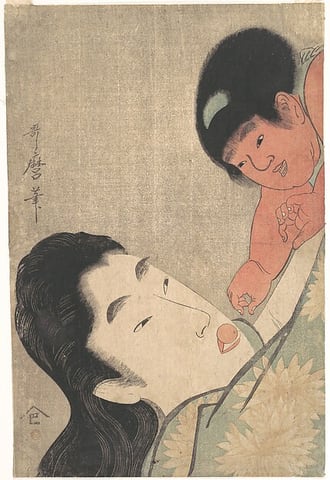
Yamauba and Kintarō Playing with a CherryKitagawa Utamaro, ca. 1795Courtesy of The Metropolitan Museum of Art 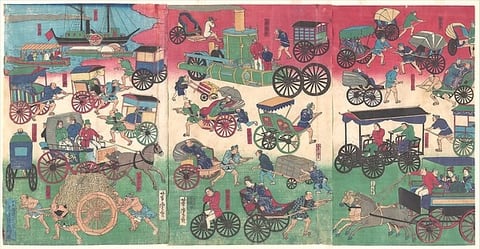
Vehicles on the Streets of TokyoUtagawa Yoshitora, 1870Courtesy of The Metropolitan Museum of Art
Section 3, north wall
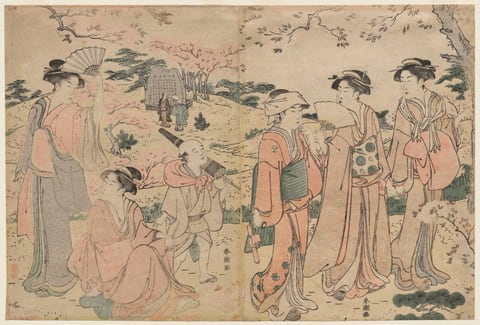
Women Viewing Cherry Blossoms at AsukayamaKatsukawa Shunchô, 1780sCourtesy of the Cleveland Museum of Art 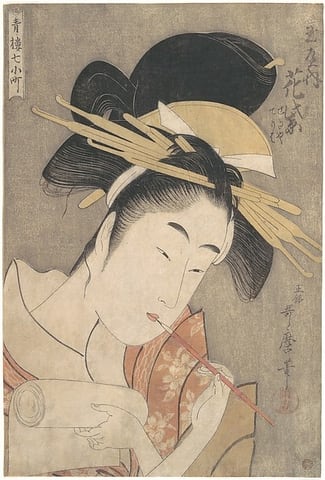
“Hanamurasaki of the Tamaya,” from the series Seven Komachi of the Pleasure Quarters (Seirō Nana Komachi)Kitagawa Utamaro, ca. 1790Courtesy of The Metropolitan Museum of Art 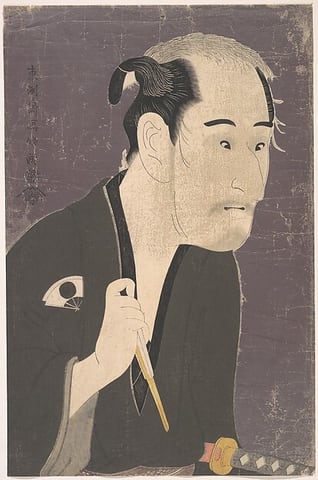
The Actor Onoye Matsusuke as a RoninTōshūsai SharakuCourtesy of The Metropolitan Museum of Art
Section 3, south wall
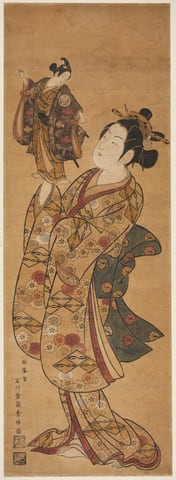
The Actor Onoe Kikugoro I holding a puppet of the Actor Sanogawa Ichimatsu IIshikawa Toyonobu, c. 1740sCourtesy of the Art Institute of Chicago 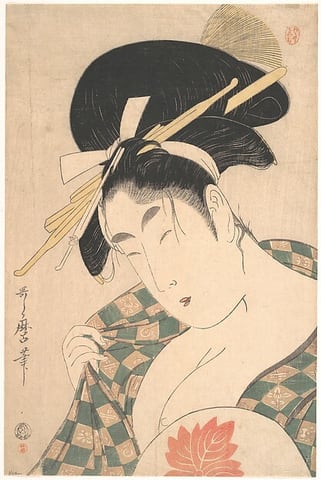
A CourtesanKitagawa UtamaroCourtesy of The Metropolitan Museum of Art
Section 4, south wall
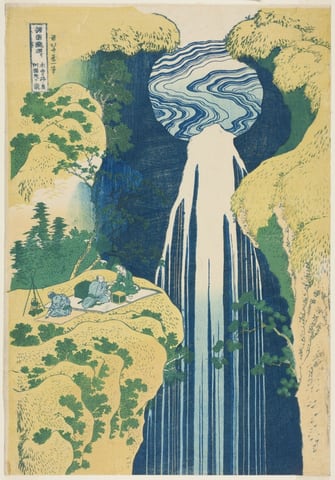
Amida Falls in the Far Reaches of the Kisokaido (Kisoji no oku Amidagataki), from the series "A Tour of Waterfalls in Various Provinces (Shokoku taki meguri)"Katsushika Hokusai, About 1833Courtesy of the Art Institute of Chicago 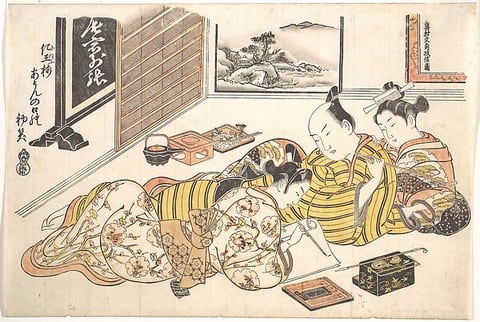
Plate from the Erotic Book Mounds of Dyed Colors: A Pattern Book for the Boudoir (Someiro no yama neya no hinagata), First MonthOkumura Masanobu, ca. 1736–44Courtesy of The Metropolitan Museum of Art