Floor plan

East wing: The Nineteenth CenturyPost-Impressionism

Post-Impressionism

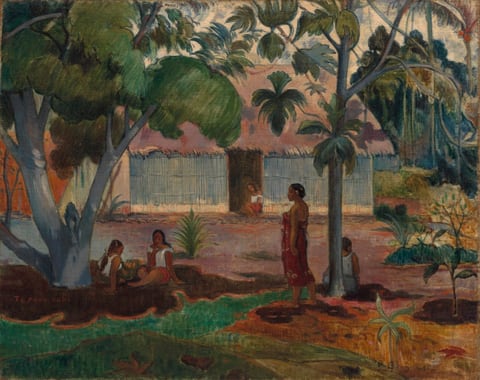
The Large Tree, by Paul Gauguin, 1891
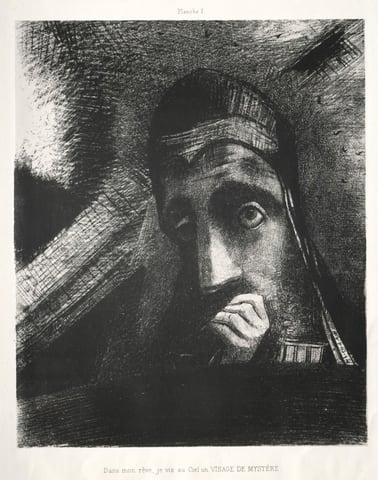
In My Dream I Saw in the Sky a Face of Mystery, by Odilon Redon, 1885
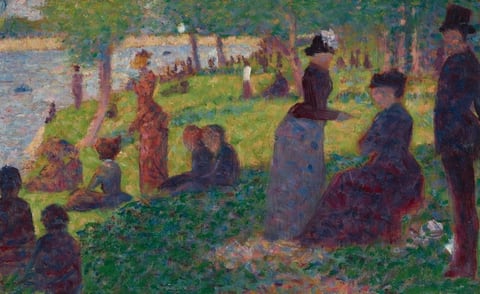
Heavy daubs of pigment form a crowded scene of roughly defined, finely dressed individuals in a brightly color park along a riverbank.
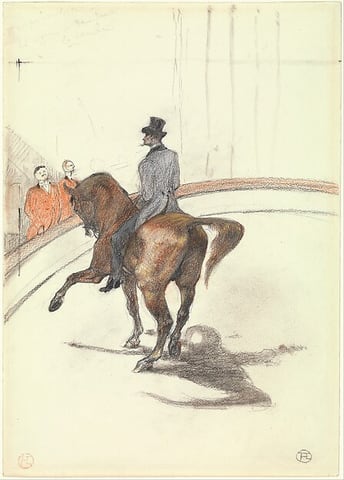
At the Circus: The Spanish Walk (Au Cirque: Le Pas espagnol), by Henri de Toulouse-Lautrec, 1899
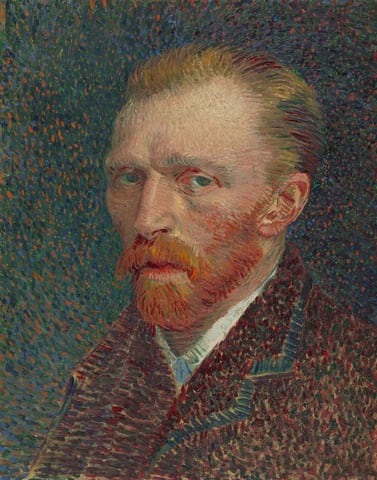
Painting of a red-haired, bearded man with light skin, painted in short brushstrokes and multicolored dots. The background is likewise a mass of small, closely spaced colored dots, these in green, blue, and red-orange.
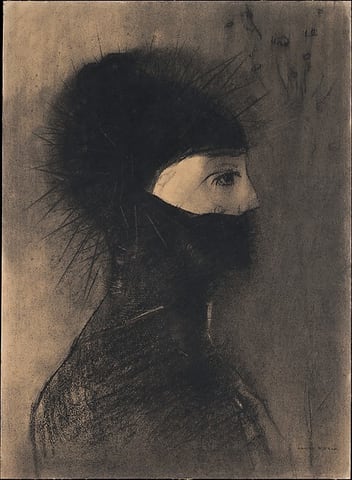
Armor, by Odilon Redon, 1891
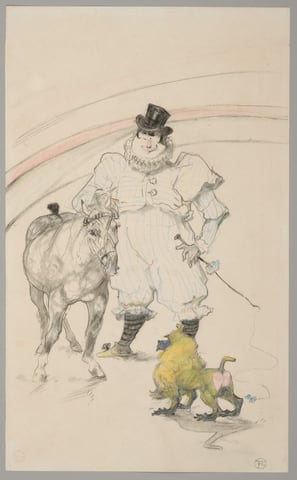
A work made of pastel and graphite on cream wove paper.
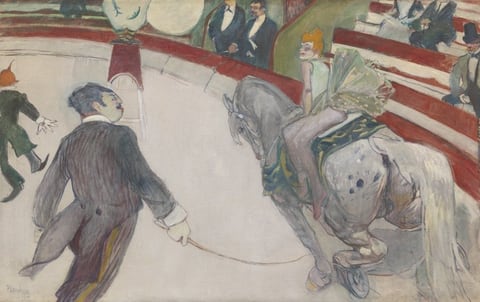
Painting of a performance inside a circus ring. A man wearing a suit holds a whip in his hand and looks towards a woman with red hair riding a gray horse and wearing a green dress. Audience members wearing suits and top hats watch from red and white benches on the side.

The works in this room are listed below.

Works in this room

Artists who kept Impressionism's colour but pushed towards structure, symbol and feeling.

Section 1, north wall

  1. The Large Tree, by Paul Gauguin, 1891
    The Large TreePaul Gauguin, 1891Courtesy of the Cleveland Museum of Art
  2. In My Dream I Saw in the Sky a Face of Mystery, by Odilon Redon, 1885
    In My Dream I Saw in the Sky a Face of MysteryOdilon Redon, 1885Courtesy of the Cleveland Museum of Art
  3. Heavy daubs of pigment form a crowded scene of roughly defined, finely dressed individuals in a brightly color park along a riverbank.
    Oil Sketch for "A Sunday on La Grande Jatte — 1884"Georges Seurat, 1884Courtesy of the Art Institute of Chicago
  4. At the Circus: The Spanish Walk (Au Cirque: Le Pas espagnol), by Henri de Toulouse-Lautrec, 1899
    At the Circus: The Spanish Walk (Au Cirque: Le Pas espagnol)Henri de Toulouse-Lautrec, 1899Courtesy of The Metropolitan Museum of Art

Section 1, south wall

  1. Painting of a red-haired, bearded man with light skin, painted in short brushstrokes and multicolored dots. The background is likewise a mass of small, closely spaced colored dots, these in green, blue, and red-orange.
    Self-PortraitVincent van Gogh, 1887Courtesy of the Art Institute of Chicago
  2. Armor, by Odilon Redon, 1891
    ArmorOdilon Redon, 1891Courtesy of The Metropolitan Museum of Art
  3. A work made of pastel and graphite on cream wove paper.
    At the Circus: Trained Pony and BaboonHenri de Toulouse-Lautrec, 1899Courtesy of the Art Institute of Chicago
  4. Painting of a performance inside a circus ring. A man wearing a suit holds a whip in his hand and looks towards a woman with red hair riding a gray horse and wearing a green dress. Audience members wearing suits and top hats watch from red and white benches on the side.
    Equestrienne (At the Cirque Fernando)Henri de Toulouse-Lautrec, 1887–88Courtesy of the Art Institute of Chicago

Section 2, south wall
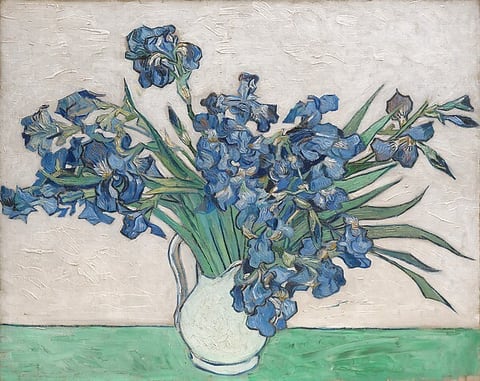
  1. Irises, by Vincent van Gogh, 1890
    IrisesVincent van Gogh, 1890Courtesy of The Metropolitan Museum of Art
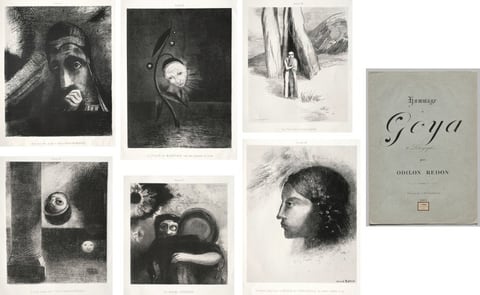
  2. Homage to Goya, by Odilon Redon, 1885
    Homage to GoyaOdilon Redon, 1885Courtesy of the Cleveland Museum of Art
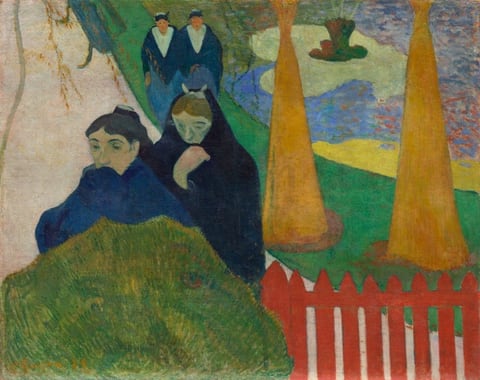
  3. Painting of four women with blue shawls walking near red fence.
    Arlésiennes (Mistral)Paul Gauguin, 1888Courtesy of the Art Institute of Chicago
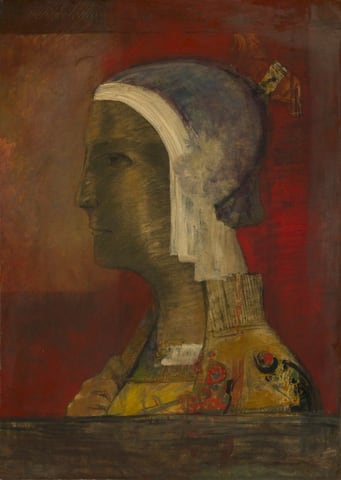
  4. Symbolic Head, by Odilon Redon, c. 1890
    Symbolic HeadOdilon Redon, c. 1890Courtesy of the Cleveland Museum of Art

Section 2, north wall
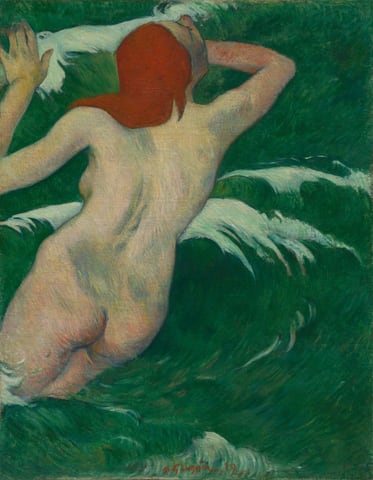
  1. In the Waves (Dans les Vagues), by Paul Gauguin, 1889
    In the Waves (Dans les Vagues)Paul Gauguin, 1889Courtesy of the Cleveland Museum of Art
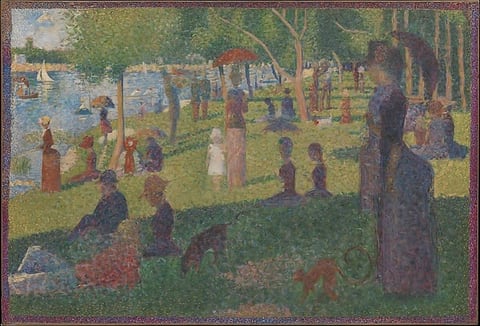
  2. Study for "A Sunday on La Grande Jatte", by Georges Seurat, 1884
    Study for "A Sunday on La Grande Jatte"Georges Seurat, 1884Courtesy of The Metropolitan Museum of Art
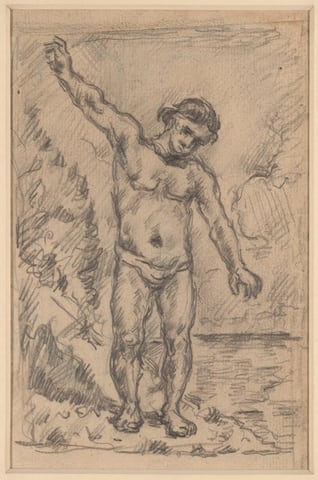
  3. A work made of graphite on cream laid paper (pieced).
    Bather With Outstretched Arms (recto); Study of a Tree (verso)Paul Cézanne, 1874/77Courtesy of the Art Institute of Chicago
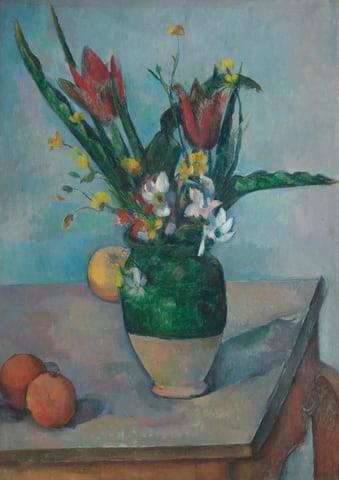
  4. A work made of oil on canvas.
    The Vase of TulipsPaul Cézanne, c. 1890Courtesy of the Art Institute of Chicago