Floor plan

East wing: The Nineteenth CenturyPost-Impressionism

Post-Impressionism

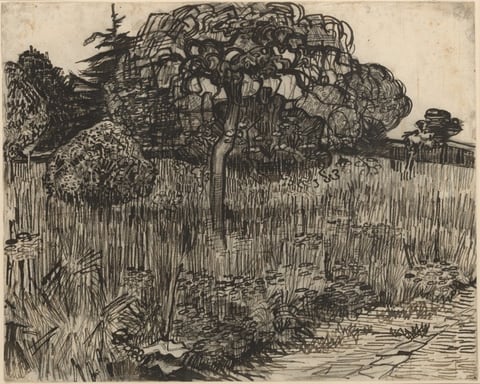
A work made of reed pen and black-brown ink, with black chalk on off-white wove paper.
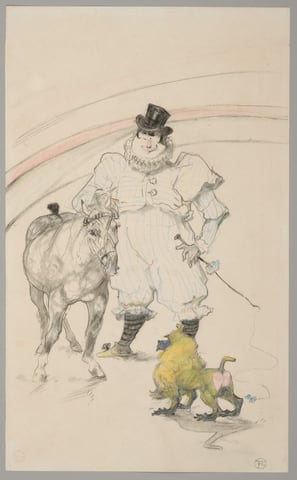
A work made of pastel and graphite on cream wove paper.
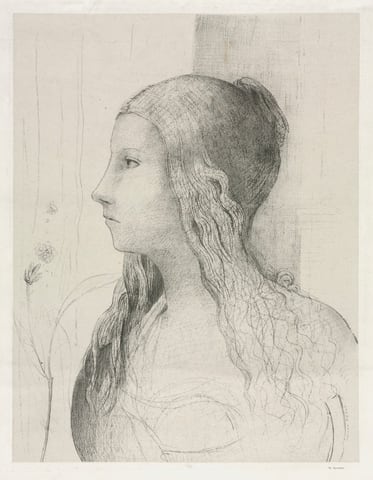
Brünnhilde in Twilight of the Gods, by Odilon Redon, 1894
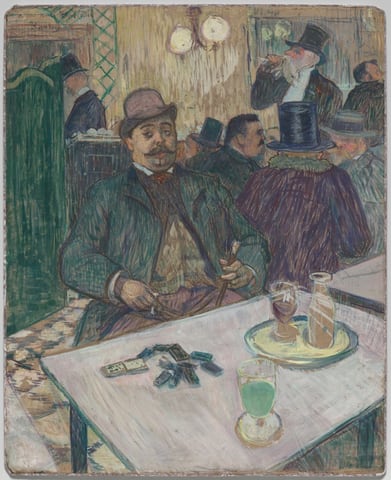
Monsieur Boileau at the Café, by Henri de Toulouse-Lautrec, 1893
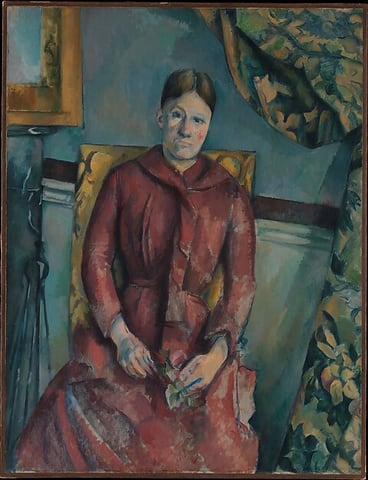
Madame Cézanne (Hortense Fiquet, 1850–1922) in a Red Dress, by Paul Cézanne, 1888–90
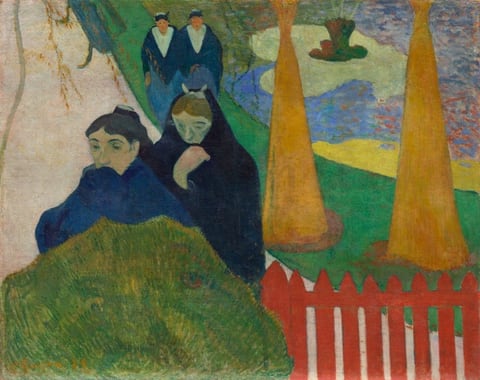
Painting of four women with blue shawls walking near red fence.
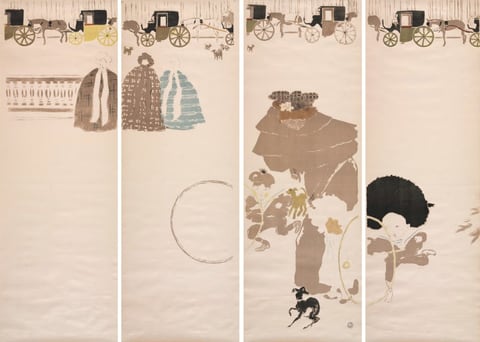
Nursemaids’ Promenade, Frieze of Carriages, by Pierre Bonnard, 1895

The works in this room are listed below.

Works in this room

Artists who kept Impressionism's colour but pushed towards structure, symbol and feeling.

Section 1, north wall

  1. A work made of reed pen and black-brown ink, with black chalk on off-white wove paper.
    Weeping TreeVincent van Gogh, 1889Courtesy of the Art Institute of Chicago
  2. A work made of pastel and graphite on cream wove paper.
    At the Circus: Trained Pony and BaboonHenri de Toulouse-Lautrec, 1899Courtesy of the Art Institute of Chicago
  3. Brünnhilde in Twilight of the Gods, by Odilon Redon, 1894
    Brünnhilde in Twilight of the GodsOdilon Redon, 1894Courtesy of the Cleveland Museum of Art
  4. Monsieur Boileau at the Café, by Henri de Toulouse-Lautrec, 1893
    Monsieur Boileau at the CaféHenri de Toulouse-Lautrec, 1893Courtesy of the Cleveland Museum of Art

Section 1, south wall

  1. Madame Cézanne (Hortense Fiquet, 1850–1922) in a Red Dress, by Paul Cézanne, 1888–90
    Madame Cézanne (Hortense Fiquet, 1850–1922) in a Red DressPaul Cézanne, 1888–90Courtesy of The Metropolitan Museum of Art
  2. Painting of four women with blue shawls walking near red fence.
    Arlésiennes (Mistral)Paul Gauguin, 1888Courtesy of the Art Institute of Chicago
  3. Nursemaids’ Promenade, Frieze of Carriages, by Pierre Bonnard, 1895
    Nursemaids’ Promenade, Frieze of CarriagesPierre Bonnard, 1895Courtesy of the Cleveland Museum of Art

Section 2, south wall
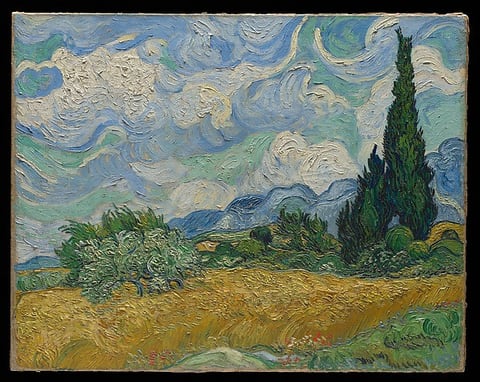
  1. Wheat Field with Cypresses, by Vincent van Gogh, 1889
    Wheat Field with CypressesVincent van Gogh, 1889Courtesy of The Metropolitan Museum of Art
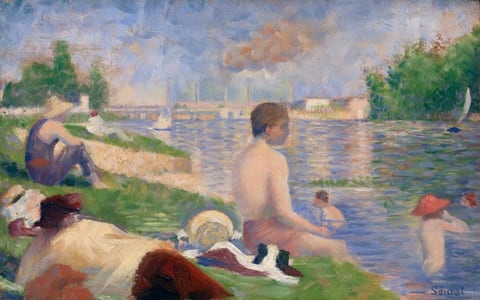
  2. A work made of oil on panel.
    Final Study for "Bathers at Asnières"Georges Seurat, 1883Courtesy of the Art Institute of Chicago
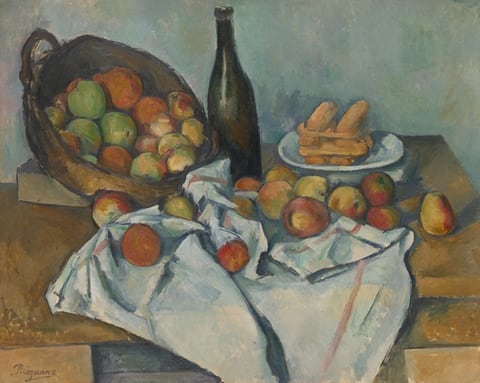
  3. Painting of a basket of green and red-yellow apples spilling over into a white cloth placed on a wooden table, with a dark green bottle and a plate of pale biscuits behind.
    The Basket of ApplesPaul Cézanne, c. 1893Courtesy of the Art Institute of Chicago
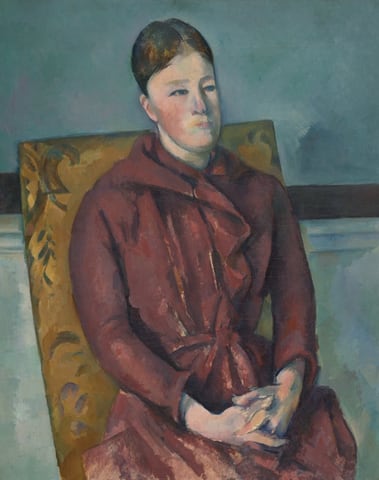
  4. Painting of a placid-looking, light-skinned woman in a maroon dress, seated in a chair with yellow upholstery, hands folded.
    Madame Cezanne in a Yellow ChairPaul Cézanne, 1888–90Courtesy of the Art Institute of Chicago

Section 2, north wall
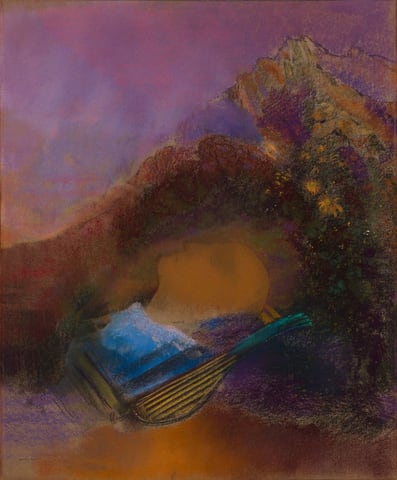
  1. Orpheus, by Odilon Redon, c. 1903–10
    OrpheusOdilon Redon, c. 1903–10Courtesy of the Cleveland Museum of Art
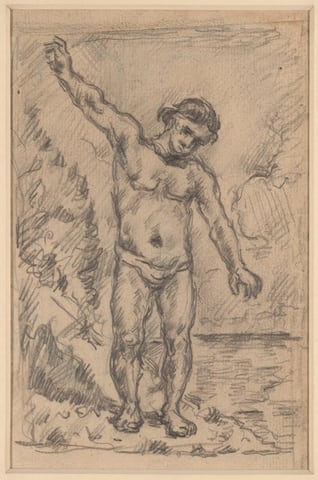
  2. A work made of graphite on cream laid paper (pieced).
    Bather With Outstretched Arms (recto); Study of a Tree (verso)Paul Cézanne, 1874/77Courtesy of the Art Institute of Chicago
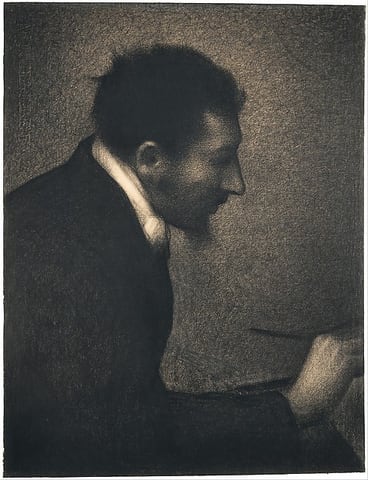
  3. Aman-Jean (Portrait of Edmond François Aman-Jean), by Georges Seurat, 1882–83
    Aman-Jean (Portrait of Edmond François Aman-Jean)Georges Seurat, 1882–83Courtesy of The Metropolitan Museum of Art

Section 3, north wall
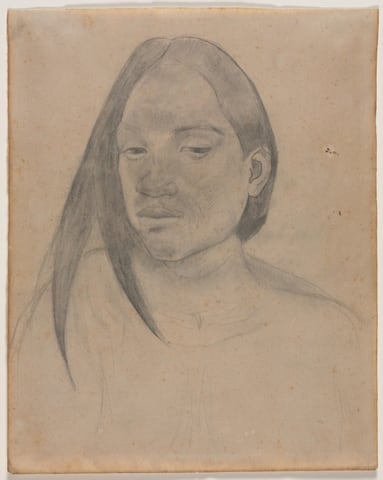
  1. Head of a Tahitian Woman, by Paul Gauguin, 1891
    Head of a Tahitian WomanPaul Gauguin, 1891Courtesy of the Cleveland Museum of Art
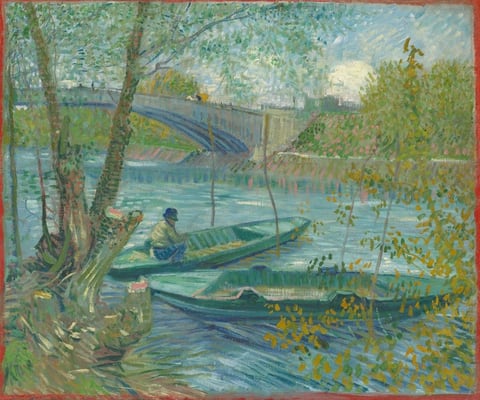
  2. Painting in short strokes of pale blue, green, white, yellow, and pink, of a fisherman in one of two small boats on a river, a tree-lined bank and a bridge in the background.
    Fishing in Spring, the Pont de Clichy (Asnières)Vincent van Gogh, 1887Courtesy of the Art Institute of Chicago