Floor plan

Style galleriesNeoclassicism

Neoclassicism

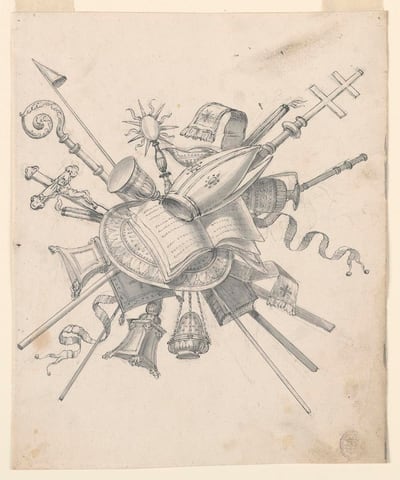
TROPHY WITH ECCLESIASTICAL OBJECTS
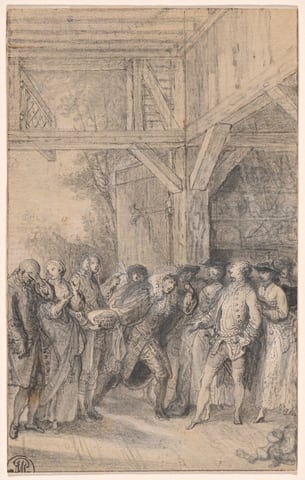
A work made of graphite and pen and black ink, with touches of opaque, white watercolor on cream laid paper.
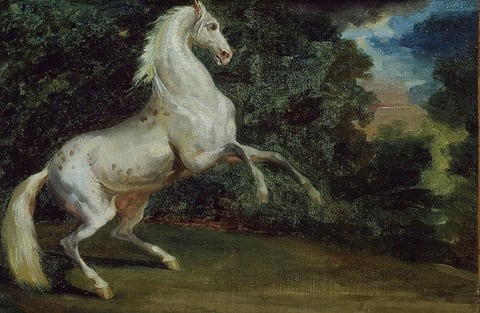
A work made of oil on canvas.
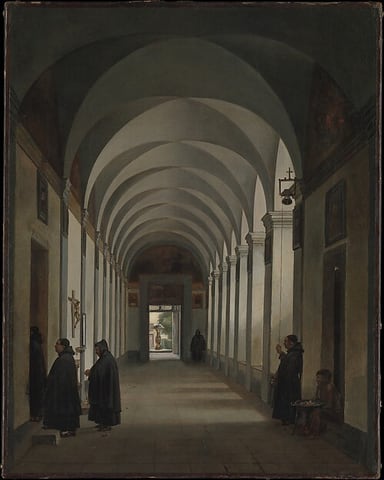
Monks in the Cloister of the Church of Gesù e Maria, Rome, by François Marius Granet, 1808
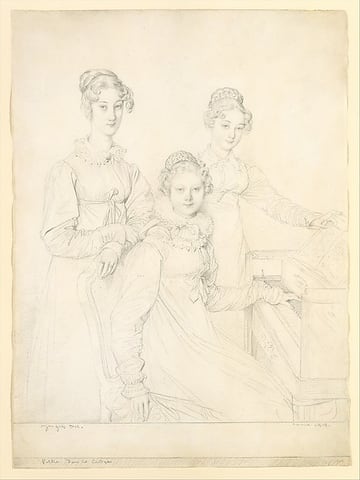
The Kaunitz Sisters (Leopoldine, Caroline, and Ferdinandine), by Jean Auguste Dominique Ingres, 1818
A work made of oil on canvas.
A work made of engraving and etching in black on ivory wove paper.

The works in this room are listed below.

Works in this room

Europe turns back to Greece and Rome: clear line, calm figures and civic virtue.

First room, north wall

  1. TROPHY WITH ECCLESIASTICAL OBJECTS
    Trophy with Ecclesiastical ObjectsRomolo Achille Liverani, 1830–1850Courtesy of Cooper Hewitt, Smithsonian Design Museum
  2. A work made of graphite and pen and black ink, with touches of opaque, white watercolor on cream laid paper.
    Farmer Requesting Permission to Marry a Nobleman's DaughterGabriel de Saint-Aubin, 1761Courtesy of the Art Institute of Chicago
  3. A work made of oil on canvas.
    Prancing HorseFollower of Jean Louis André Théodore Géricault, 1808–12Courtesy of the Art Institute of Chicago
  4. Monks in the Cloister of the Church of Gesù e Maria, Rome, by François Marius Granet, 1808
    Monks in the Cloister of the Church of Gesù e Maria, RomeFrançois Marius Granet, 1808Courtesy of The Metropolitan Museum of Art

First room, south wall

  1. The Kaunitz Sisters (Leopoldine, Caroline, and Ferdinandine), by Jean Auguste Dominique Ingres, 1818
    The Kaunitz Sisters (Leopoldine, Caroline, and Ferdinandine)Jean Auguste Dominique Ingres, 1818Courtesy of The Metropolitan Museum of Art
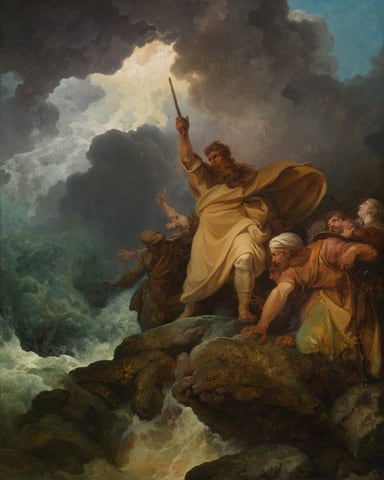
  2. A work made of oil on canvas.
    The Destruction of Pharaoh's ArmyPhilippe Jacques de Loutherbourg, II, 1792Courtesy of the Art Institute of Chicago
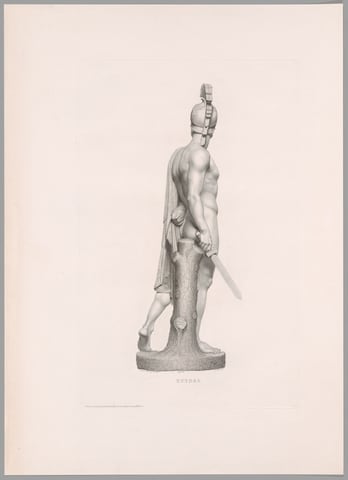
  3. A work made of engraving and etching in black on ivory wove paper.
    Ettore, Side View, from Oeuvre de CanovaAntonio Canova, 1817Courtesy of the Art Institute of Chicago

Second room, south wall
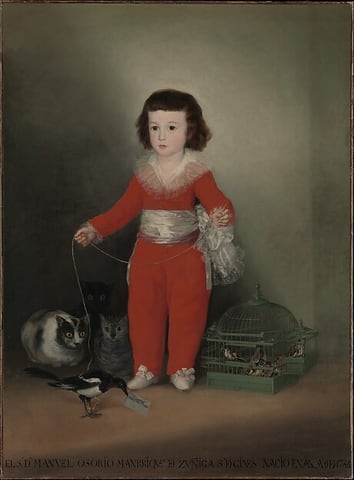
  1. Manuel Osorio Manrique de Zuñiga (1784–1792), by Francisco Goya, 1787–88
    Manuel Osorio Manrique de Zuñiga (1784–1792)Francisco Goya, 1787–88Courtesy of The Metropolitan Museum of Art
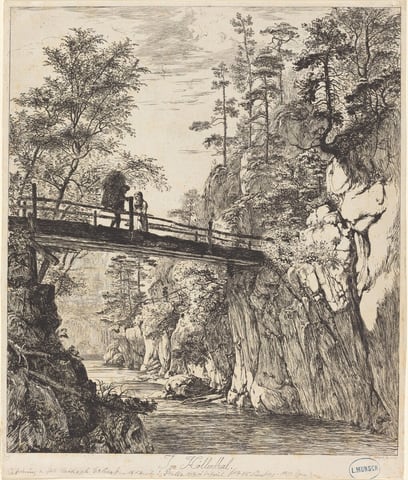
  2. The image shows a landscape with a wooden bridge crossing over a river in a valley. The scenery includes cliffs, trees, and flowing water below. The artwork features fine, detailed brushstrokes depicting the texture of the cliffs, foliage, and water. The color scheme is monochromatic with various shades of gray and sepia tones. Two figures are seen on the bridge, contributing to the sense of scale and activity in the serene setting.
    Im Höllenthal (In the Höllen Valley)Johann Christoph Erhard, 1818Courtesy National Gallery of Art, Washington
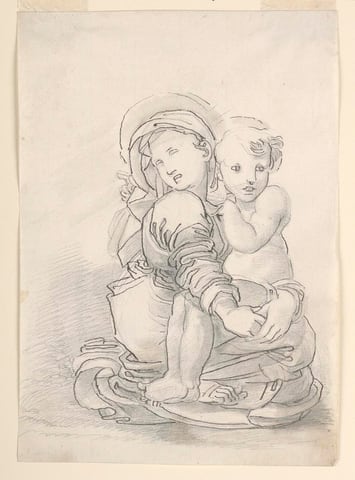
  3. THE VIRGIN WITH THE CHILD
    The Virgin with the ChildFortunato Duranti, 1820–1850Courtesy of Cooper Hewitt, Smithsonian Design Museum
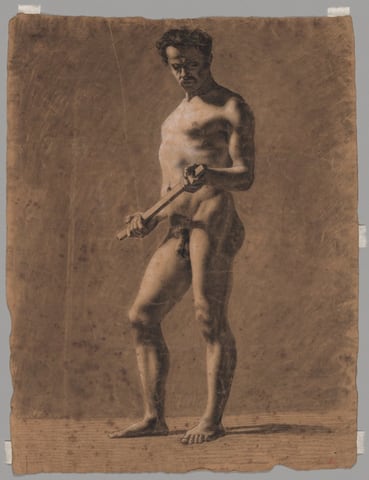
  4. A work made of black chalk and charcoal with stumping, heightened with white chalk (recto), and black chalk and charcoal with stumping (verso), on dark tan laid paper.
    Standing Academic Male Nude (recto); Sketch of Upper Arm (verso)Eugène Delacroix, 1816Courtesy of the Art Institute of Chicago

Second room, north wall
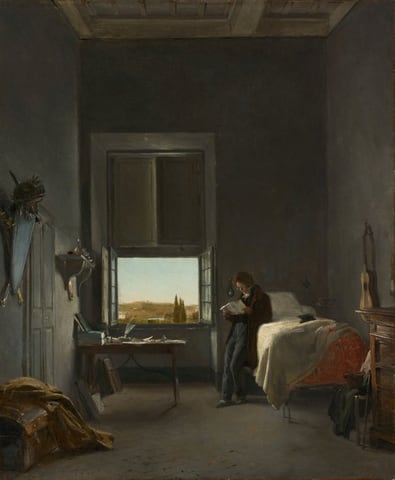
  1. The Artist in His Room at the Villa Medici, Rome, by Léon Cogniet, 1817
    The Artist in His Room at the Villa Medici, RomeLéon Cogniet, 1817Courtesy of the Cleveland Museum of Art
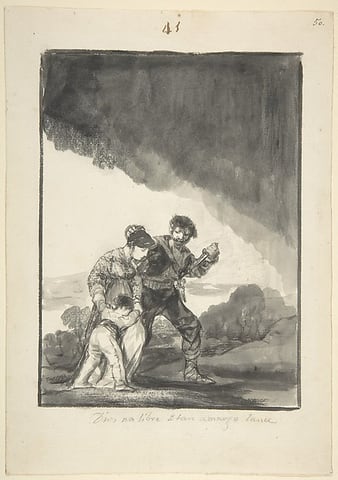
  2. God save us from such a bitter fate; a bandit threatening a woman and a child with a knife, page 41 from the "Black Border Album" (E), by Francisco Goya, ca. 1816–20
    God save us from such a bitter fate; a bandit threatening a woman and a child with a knife, page 41 from the "Black Border Album" (E)Francisco Goya, ca. 1816–20Courtesy of The Metropolitan Museum of Art
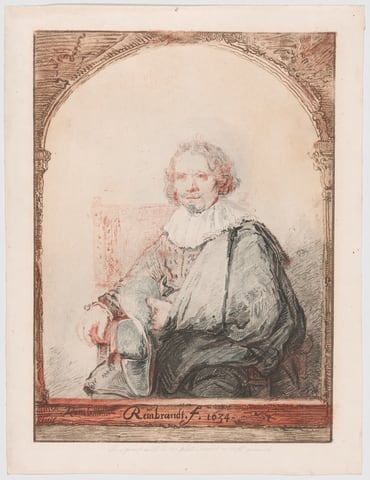
  3. A work made of soft ground etching from two plates, with roulette, on paper.
    Portrait of a Man in an Armchair, from Collection d'imitations de Dessins d'après les Principaux Maîtres Hollandais et FlamandsChristian Josi, 1826Courtesy of the Art Institute of Chicago

Third room, north wall
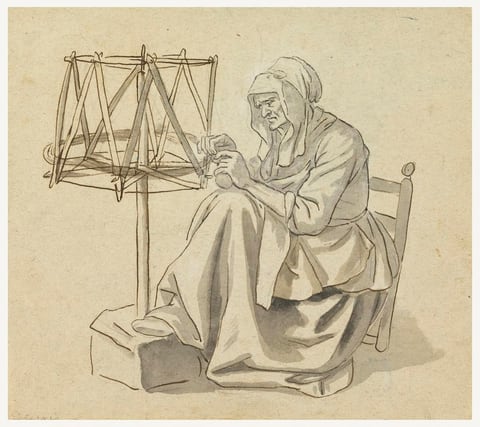
  1. AN OLD WOMAN SPINNING
    An Old Woman SpinningClaude-Louis Desrais, 1810–30Courtesy of Cooper Hewitt, Smithsonian Design Museum
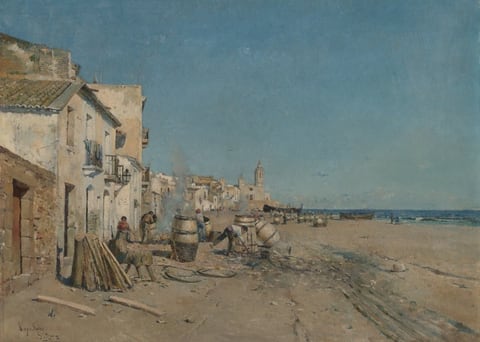
  2. A work made of oil on masonite.
    SitgesJuan Roig y Soler, 19th centuryCourtesy of the Art Institute of Chicago